
How to Set Up a Breeding Tank: Step-by-Step Guide
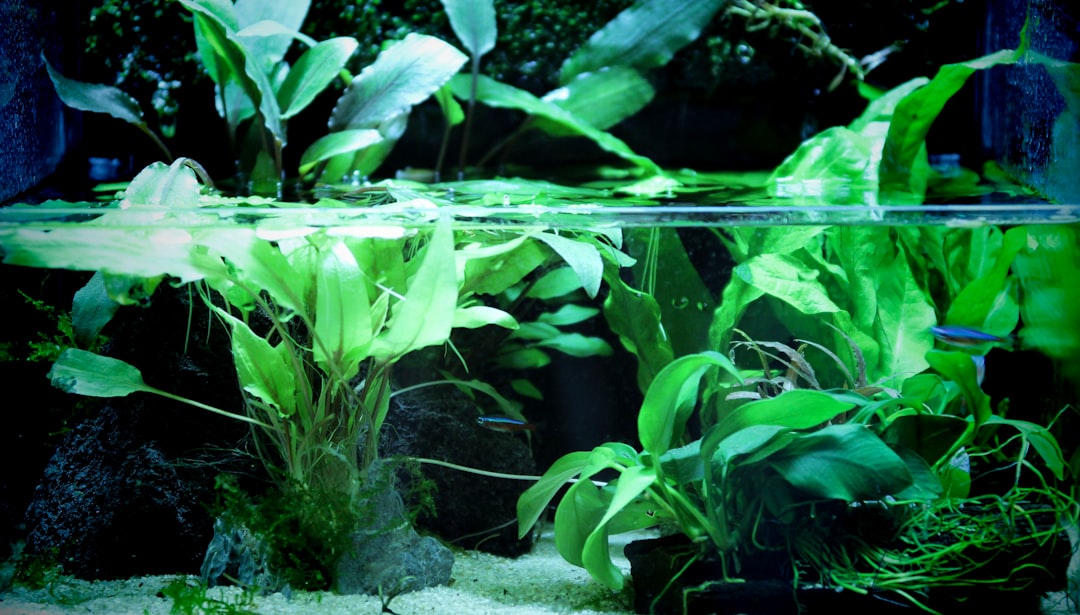
A dedicated breeding tank dramatically improves your chances of successfully spawning fish and raising fry. The controlled environment allows you to manage conditions precisely, protect eggs from predation and provide optimal nutrition for growing fry. This breeding tank setup guide from Gensou Aquascaping at 5 Everton Park covers everything needed for freshwater breeding success in Singapore.
Why a Separate Breeding Tank?
While some fish breed in community tanks, a dedicated breeding setup offers several advantages: you control water parameters exactly, eggs and fry are safe from predators, you can condition breeding pairs without distraction and you can provide species-specific spawning triggers. Even a small, inexpensive tank dramatically improves breeding outcomes.
Tank Size and Type
For most small tropical fish (tetras, rasboras, barbs, livebearers), a 20–40 litre tank is sufficient. Larger species like cichlids and gouramis need 60–120 litres. A bare-bottom tank is easiest to keep clean, though some species need specific substrate for spawning. Glass tanks are preferred over acrylic for breeding setups, as they are easier to sterilise between breeding attempts.
Essential Equipment
You need a sponge filter (gentle enough not to harm fry), a heater with thermostat (to maintain precise temperature), a thermometer, a small air pump and gentle lighting. Avoid hang-on-back or canister filters in breeding tanks — their intake can trap fry. An adjustable heater lets you manipulate temperature for spawning triggers. A lid prevents jumpers from escaping during spawning excitement.
Spawning Media
Different fish need different spawning surfaces. Egg scatterers (tetras, barbs, danios) need fine-leaved plants like Java moss or synthetic spawning mops. Cave spawners (bristlenose plecos, apistogrammas) need terracotta pots, coconut shells or purpose-built caves. Bubble nest builders (bettas, gouramis) need floating plants or a piece of styrofoam at the surface. Substrate spawners need flat rocks or slate tiles.
Water Preparation
Fill the breeding tank with aged, dechlorinated water matched to the target species’ requirements. Many tropical fish breed more readily in softer, slightly acidic water. For species requiring soft water, blend tap water with RO water. Some breeders use Indian almond leaves or peat extract to lower pH and add beneficial tannins. Ensure the water is mature — cycle the sponge filter in an established tank for at least two weeks beforehand.
Conditioning Breeders
Condition the breeding pair with high-protein foods for one to two weeks before introducing them to the breeding tank. Live and frozen foods — bloodworms, brine shrimp, daphnia and tubifex — trigger reproductive development. Feed two to three times daily in small amounts. Well-conditioned females develop visibly rounder bellies as they fill with eggs. Males often intensify their colouration.
Spawning Triggers
Common triggers include a large, slightly cooler water change (simulating rain), gradually increasing temperature by 1–2 °C, reducing and then extending the photoperiod, adding tannin-rich water from Indian almond leaves and introducing the conditioned pair to the prepared breeding tank. Different species respond to different triggers — research your specific fish for the most effective approach.
After Spawning
For egg scatterers, remove the adults immediately after spawning to prevent egg predation. For mouthbrooders, the female handles incubation. For cave spawners, the guarding parent typically stays. Keep the breeding tank dark or dimly lit to reduce egg fungus — some breeders add a few drops of methylene blue as an antifungal. Monitor eggs for fungus (white, fuzzy growth) and remove infected eggs with tweezers to protect the remaining clutch.
Singapore-Specific Tips
Singapore’s warm ambient temperature reduces the need for heaters in many cases and makes it easy to perform the slight temperature drops that trigger spawning in many species. Small breeding tanks are practical for HDB living — a 20-litre tank fits on a shelf or desk. Indian almond leaves are locally abundant and inexpensive. Many Singapore breeders use rain water (collected during monsoon season) for soft-water species with excellent results.
Conclusion
A well-prepared breeding tank turns casual attempts into consistent success. The investment is minimal — a small tank, sponge filter and some spawning media — but the results are transformative. Visit Gensou Aquascaping at 5 Everton Park for breeding supplies, spawning media and expert advice on breeding your favourite species.



