
How to Ship Live Fish Safely in Singapore: Packing and Courier Tips
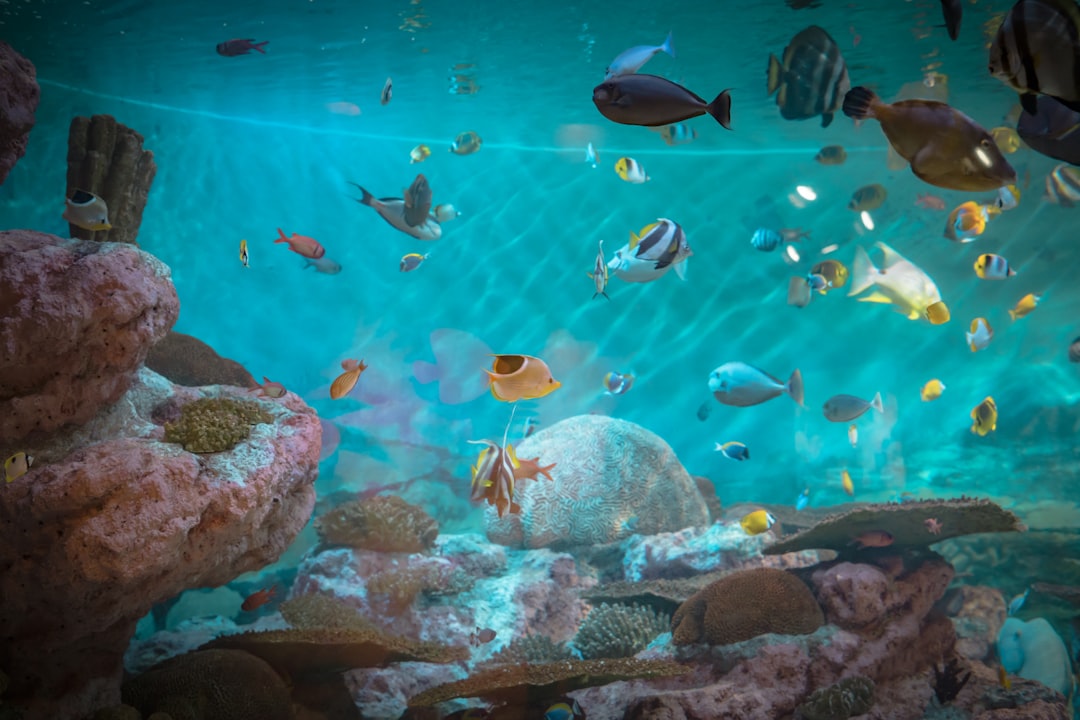
Selling or trading fish online means nothing if the animals arrive stressed or dead. Understanding how to ship fish safely in Singapore is essential for anyone moving livestock between hobbyists, whether across the island or just a few MRT stops away. At Gensou Aquascaping, 5 Everton Park, Singapore, we have packed and shipped thousands of fish over 20-plus years, and these hard-won lessons will help your fish arrive alive and healthy.
Choosing the Right Bags and Containers
Standard polyethylene fish bags, available from aquarium shops along Serangoon North Avenue 1 or online at Shopee, are the backbone of fish shipping. Use bags rated at least 0.06 mm thick to resist punctures from spines or sharp fins. For larger fish above 10 cm, double-bagging is non-negotiable. Rigid polystyrene foam boxes provide insulation and cushioning, and you can source them from seafood suppliers or recycling corners at wet markets for little or no cost.
Water Volume and Oxygen
A common beginner mistake is filling the bag mostly with water. In reality, the bag should be one-third water and two-thirds air, or ideally pure oxygen if you have access to a portable oxygen cylinder. For a typical 15 cm by 30 cm bag, that means roughly 300 ml of water and the rest inflated with air or oxygen, then sealed tightly with a rubber band. Pure oxygen extends safe transit time from around 6 hours to over 24 hours, which matters less within Singapore but becomes critical if your buyer is collecting later in the day.
Temperature Management in Tropical Heat
Singapore’s ambient temperature of 28 to 32 degrees Celsius is tolerable for most tropical species, so overheating is rarely a concern during normal transit. However, leaving a box in direct sunlight or inside a car boot can push temperatures past 35 degrees quickly. Wrap the polystyrene box in a layer of newspaper for additional insulation. For cool-water species like hillstream loaches, add a small ice pack wrapped in newspaper to one corner of the box, ensuring it does not contact the fish bags directly.
Fasting Before Packing
Feed fish their last meal at least 24 hours before packing. An empty gut reduces ammonia output in the bag, which is the single biggest killer during transit. Ammonia builds up fast in warm water with limited volume, and Singapore’s heat accelerates the process. For sensitive species like discus or crystal shrimp, a 48-hour fast is safer. The fish will not suffer from a day without food, but they will absolutely suffer from ammonia poisoning in a sealed bag.
Packing Technique Step by Step
Start by netting the fish gently into a small container, then transfer it into the bag with water from its home tank. Avoid mixing tap water or new water at this stage. Squeeze out excess air, inflate with oxygen or ambient air, twist the top tightly and secure with two rubber bands. Place the sealed bag inside a second bag for redundancy. Lay the bags flat inside the polystyrene box so fish have maximum surface area. Crumpled newspaper between bags prevents rolling and absorbs any leaks.
Courier Options Within Singapore
Same-day courier services like Lalamove and GrabExpress work well for live fish within Singapore. Rides typically cost $8 to $20 depending on distance, and transit time is usually under an hour. Always label the box clearly as “Live Fish – Handle With Care – This Side Up” using a permanent marker. Some hobbyists prefer meetups at MRT stations, which eliminates courier risk entirely and costs nothing. If using a courier, communicate with the buyer so they are ready to receive and unpack immediately upon arrival.
Acclimation Advice for the Buyer
Include a short note in the box reminding the buyer to float the sealed bag in their tank for 15 minutes to equalise temperature, then gradually mix tank water into the bag over another 15 minutes before releasing the fish. This step is especially important when shipping between tanks with different pH or hardness levels. PUB tap water parameters are fairly consistent across Singapore, but individual tank conditions vary depending on substrate, filtration and additives.
When Things Go Wrong
Even with perfect packing, occasional losses happen. Agree on a dead-on-arrival policy with the buyer before shipping. Standard practice in the local hobby is for the buyer to send a photo or video of any dead fish within one hour of delivery, and the seller provides a refund or replacement. Being upfront about this policy builds trust, encourages repeat buyers and keeps the Singapore fishkeeping community healthy. Proper packing reduces DOA rates to well under 5 per cent for most species.
Related Reading
- Active vs Inert Substrate: Which Is Right for Your Planted Tank?
- ADA Fertiliser System Guide: Brighty K, Green Brighty and Step Series
- Advanced Shrimp Selective Breeding: Line Breeding, Culling and Colour Fixing
- Alternanthera Reineckii Care Guide: Bold Red Without CO2
- Alternanthera Reineckii Mini Care Guide: Compact Red Carpet Plant



