How to Tell If Your Fish Are Happy and Healthy
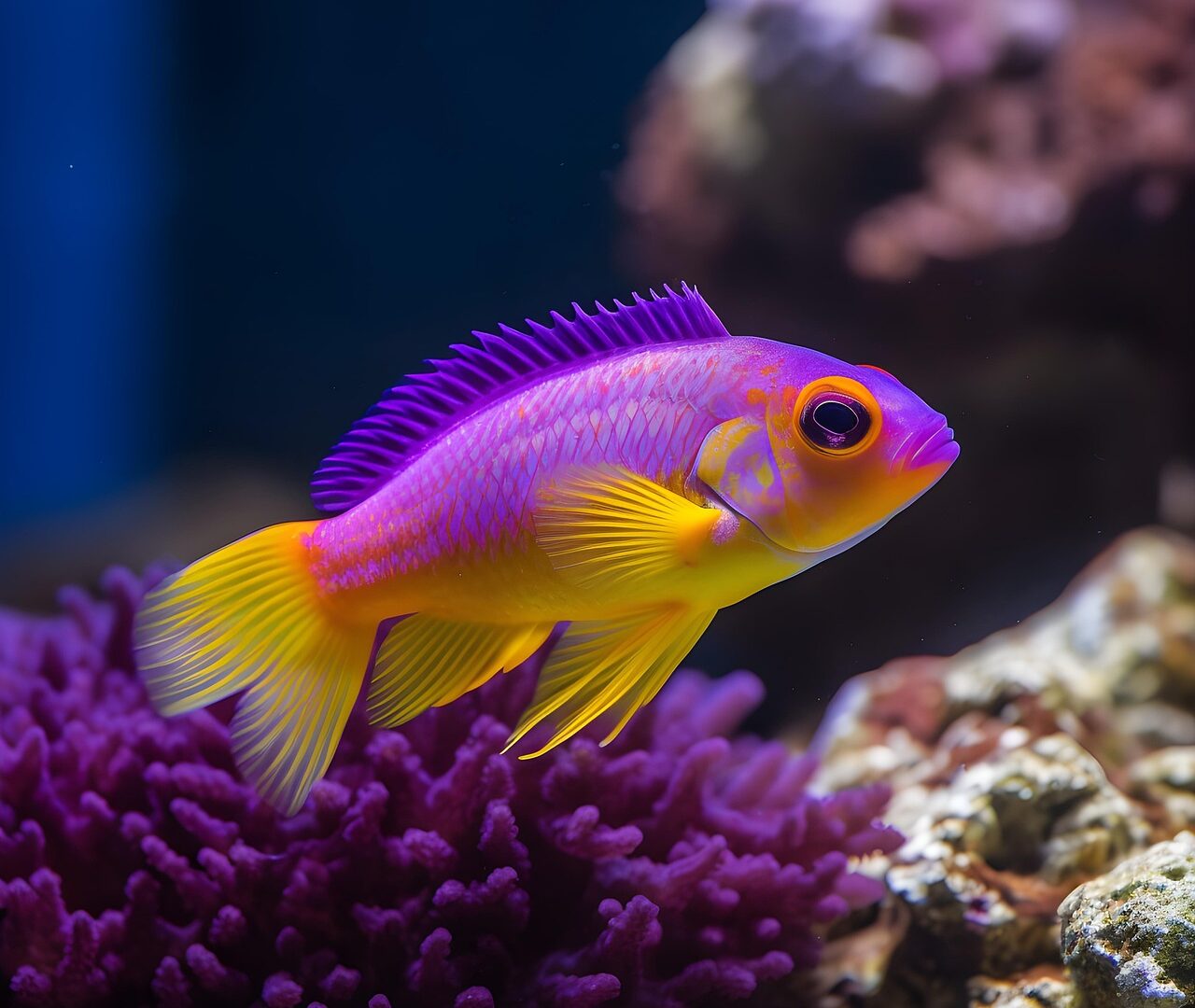
Every fishkeeper wants to know their pets are thriving, but fish cannot wag their tails or purr to show contentment. Instead, they communicate through subtle behavioural cues, physical appearance and daily habits. Learning to tell fish happy healthy signs apart from warning signals is an essential skill that makes the hobby far more rewarding. At Gensou Aquascaping at 5 Everton Park, we teach our customers in Singapore to read these signs so they can respond before small concerns become serious problems.
Active and Natural Swimming Patterns
Healthy fish swim with purpose and energy. Schooling species like tetras and rasboras move in coordinated groups, maintaining formation as they explore the tank. Bottom dwellers like corydoras forage actively along the substrate, while mid-water species cruise through open spaces and weave around plants.
Watch for consistency in swimming behaviour. A fish that suddenly becomes lethargic, sits on the bottom or hovers in one corner may be unwell or stressed. Erratic swimming — darting, spiralling or swimming upside down — is a red flag that warrants immediate investigation.
Some species are naturally more sedentary than others. Bettas, for instance, rest on leaves and surfaces throughout the day. Knowing your species’ normal behaviour is key to spotting abnormalities.
Vibrant and Consistent Colouration
Colour is one of the most reliable indicators of fish health. Happy fish display vivid, saturated colours. Males of many species — gouramis, bettas, killifish — intensify their colours during displays, feeding and social interaction.
Fading, paling or darkening of colour often signals stress, illness or poor water quality. Stress bars or spots may appear on certain species when they are anxious or territorial disputes escalate. Some colour changes are normal — many fish pale slightly at night or during rest — but persistent dullness is cause for concern.
Newly introduced fish may look washed out for the first day or two as they adjust. If colour does not return within 48 hours, check water parameters and observe for other symptoms.
Healthy Appetite and Feeding Response
A happy fish is an enthusiastic eater. When you approach the tank at feeding time, healthy fish should show interest — swimming to the surface, following your hand or gathering near the usual feeding spot. This eagerness indicates good health and low stress levels.
Loss of appetite is one of the earliest signs of trouble. A fish that repeatedly ignores food, spits it out or takes longer than usual to start eating may be dealing with internal parasites, bacterial infection or environmental stress.
However, avoid interpreting a fish’s willingness to eat as a sign that it needs more food. Fish are opportunistic feeders and will eat well beyond what they need. Stick to appropriate portion sizes regardless of how eager they appear.
Smooth Fins and Clear Eyes
Physically, happy fish have smooth, fully extended fins with no fraying, white edges or clamping. Clamped fins — held tight against the body — are a universal distress signal across virtually all species.
Eyes should be clear, bright and proportionate to the body. Cloudy eyes or pop-eye (exophthalmia) indicate infection or poor water quality. The body should be well-rounded without bloating or emaciation, and the scales should lie flat and smooth.
Check the gills as well. They should open and close at a steady, relaxed rhythm. Rapid gill movement or gasping at the surface suggests low oxygen levels or irritation from ammonia, nitrite or parasites.
Social Behaviour and Interaction
Fish are social creatures with complex hierarchies and interactions. In a well-balanced community tank, you will see mild chasing, displaying and posturing — these are normal social behaviours, not aggression.
Happy fish interact with their environment: exploring new decorations, investigating food, swimming through plant thickets and establishing preferred resting spots. Curious behaviour is a strong indicator of confidence and comfort.
Persistent hiding, cowering or staying exclusively in one area of the tank suggests the fish is being bullied or feels unsafe. Rearranging the hardscape, adding more hiding spots or removing an aggressive tank mate can resolve this.
Consistent Breathing and Gill Movement
Breathing rate is an often-overlooked health indicator. At rest, most tropical fish breathe at a calm, steady pace — roughly 60 to 80 gill movements per minute, though this varies by species.
Elevated breathing at rest, particularly when combined with surface gasping or hovering near the filter outflow, points to low dissolved oxygen, high ammonia or gill parasites. In Singapore’s warm climate, dissolved oxygen levels can drop during hot afternoons, making surface agitation and adequate filtration essential.
If multiple fish are gasping simultaneously, test your water immediately and perform a partial water change. Increase surface agitation by adjusting the filter outflow or adding an air stone.
Normal Waste and Digestion
Fish droppings may not be the most glamorous topic, but they reveal a great deal about internal health. Healthy faeces are dark, solid and sink to the substrate. White, stringy or translucent droppings can indicate internal parasites or bacterial infection.
Bloating accompanied by stringy faeces and loss of appetite is a common combination that warrants treatment. Conversely, fish that eat well and produce normal waste are almost certainly in good health internally.
Creating the Conditions for Happy Fish
Ultimately, happy fish are the product of a well-maintained environment. Stable water parameters, appropriate tank mates, adequate space, a varied diet and a natural-looking aquascape with plenty of cover all contribute to fish wellbeing.
Spend a few quiet minutes each day simply watching your aquarium. Over time, you will develop an intuitive sense of what “normal” looks like for your specific community, and you will catch deviations early. If something seems off and you are not sure what it means, bring a water sample and your observations to Gensou Aquascaping at 5 Everton Park — our team is always happy to help Singapore fishkeepers keep their pets healthy and content.
Related Reading