

How to Tell if Your Aquarium Water Is Safe for Fish
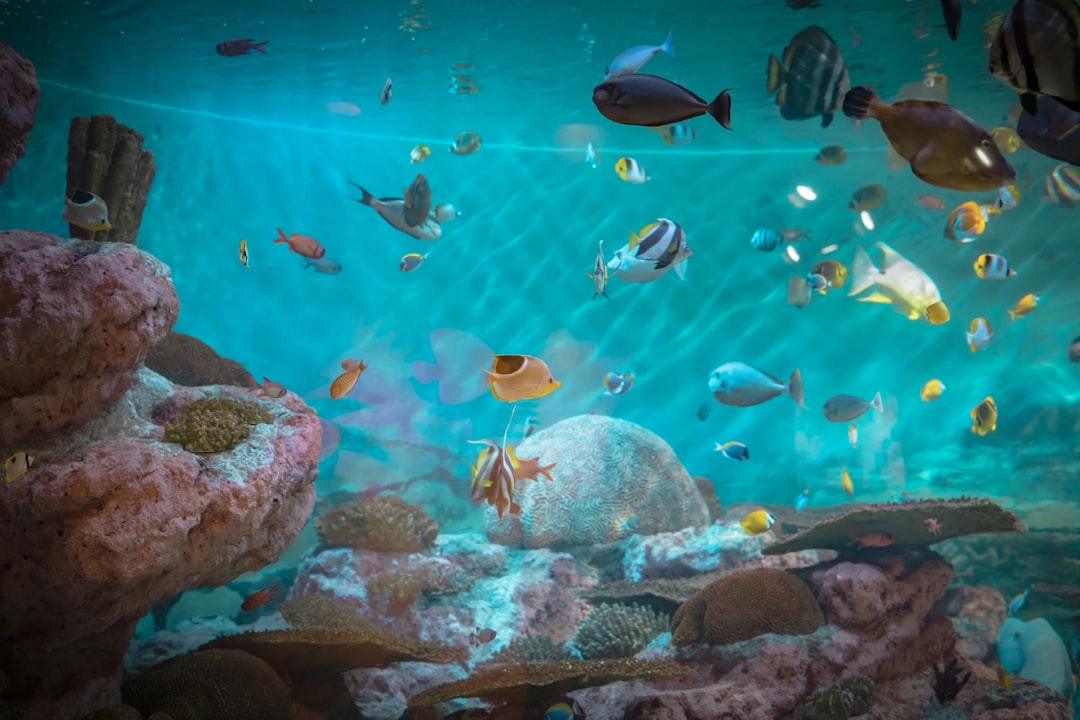
Clear water can still be deadly. Appearance alone tells you almost nothing about dissolved toxins, and many fishkeepers learn this the hard way after an unexplained loss. This aquarium water safe fish guide from Gensou Aquascaping Singapore — drawing on over 20 years of hands-on experience at 5 Everton Park — walks you through the key parameters to test and the warning signs to watch for before adding livestock.
Why Visual Clarity Is Misleading
Ammonia at 1 ppm is invisible yet lethal to most tropical fish within days. Conversely, a slight bacterial bloom can turn water milky without harming inhabitants at all. Relying on sight, smell or gut feeling instead of actual measurements is the single biggest mistake new hobbyists make.
Invest in a reliable liquid test kit rather than paper strips. The API Master Test Kit, widely available on Shopee and Lazada for around $35–$45, covers ammonia, nitrite, nitrate and pH — the four pillars of aquarium water safe fish assessment.
Ammonia and Nitrite: The Urgent Toxins
Both ammonia (NH3/NH4+) and nitrite (NO2-) should read zero in a cycled tank. Any detectable level means your biological filter is either immature, overwhelmed or damaged. At Singapore’s typical tap pH of around 6.5–7.0, ammonia toxicity is somewhat lower than in alkaline water, but zero remains the only safe target.
If you detect even 0.25 ppm ammonia, perform an immediate 30–50 % water change using dechloraminated water. Dose a quality water conditioner that binds ammonia temporarily while your filter catches up.
Nitrate: The Slow Poison
Nitrate is far less acutely toxic, but chronic levels above 40 ppm stress fish, suppress immune function and fuel algae. Planted tanks naturally consume some nitrate, though rarely enough to skip water changes entirely. Aim to keep readings below 20 ppm for sensitive species like shrimp and discus, and under 40 ppm for hardier community fish.
pH and Stability
Most tropical freshwater fish thrive between pH 6.0 and 7.5. Singapore’s PUB tap water typically sits around 6.5–7.0 after dechloramination, suiting the vast majority of commonly kept species. Stability matters more than hitting a precise number — a tank that holds steady at 7.2 is healthier than one that swings between 6.5 and 7.0 due to untested additives.
Avoid chasing a specific pH with chemical buffers unless you fully understand their interactions with your KH. Sudden shifts of more than 0.3 units within a day can trigger pH shock, which is often fatal.
Temperature and Dissolved Oxygen
Singapore’s ambient temperatures of 28–32 °C keep most tropical tanks in range without a heater, but midday spikes above 30 °C reduce dissolved oxygen noticeably. Surface agitation from a hang-on-back filter or small air pump helps maintain adequate oxygen levels. Fish gasping at the surface is an unmistakable sign of low oxygen or high ammonia — test immediately.
Chloramine in Singapore Tap Water
PUB treats mains water with chloramine, not just chlorine. Chloramine is more stable and will not gas off by simply ageing water overnight. You must use a conditioner that specifically neutralises chloramine — products like Seachem Prime or API Tap Water Conditioner handle this reliably. Skipping this step during water changes is one of the most common causes of sudden fish death locally.
Putting It All Together: A Quick Safety Checklist
- Ammonia: 0 ppm
- Nitrite: 0 ppm
- Nitrate: below 20–40 ppm depending on species
- pH: stable between 6.0–7.5 for most tropicals
- Temperature: 24–28 °C for standard community fish
- Chloramine: fully neutralised before water enters the tank
Testing weekly — and always before adding new fish — takes only five minutes but prevents the vast majority of avoidable losses. Following this aquarium water safe fish guide consistently builds the kind of stable environment where fish display their best colour, behaviour and longevity. At Gensou Aquascaping, we consider regular testing a non-negotiable part of responsible fishkeeping.
Related Reading
- Aquarium Water Change Mistakes to Avoid: 10 Common Errors
- How to Maintain a Freshwater Aquarium: Weekly and Monthly Tasks
- Fish Tank Temperature Guide: Tropical, Coldwater and Room Temp
- How Often to Change Fish Tank Water: Schedule by Tank Type
- Freshwater Aquarium Setup for Beginners: Step-by-Step First Tank



