Hydor ETH Inline Heater Review: External Heating
The Hydor ETH solves a problem most Singapore aquascapers run into the moment they finish a high-end iwagumi: they hate the sight of a glass heater in their display. This Hydor ETH inline heater review from Gensou Aquascaping at 5 Everton Park covers the plumbing, the flow minimums you must hit, and the specific failure modes we see on client tanks that have run the unit for two or more years. Done right, it is invisible and reliable; done wrong, it overheats the canister hose and warps the fittings within weeks.
Design and Plumbing Footprint
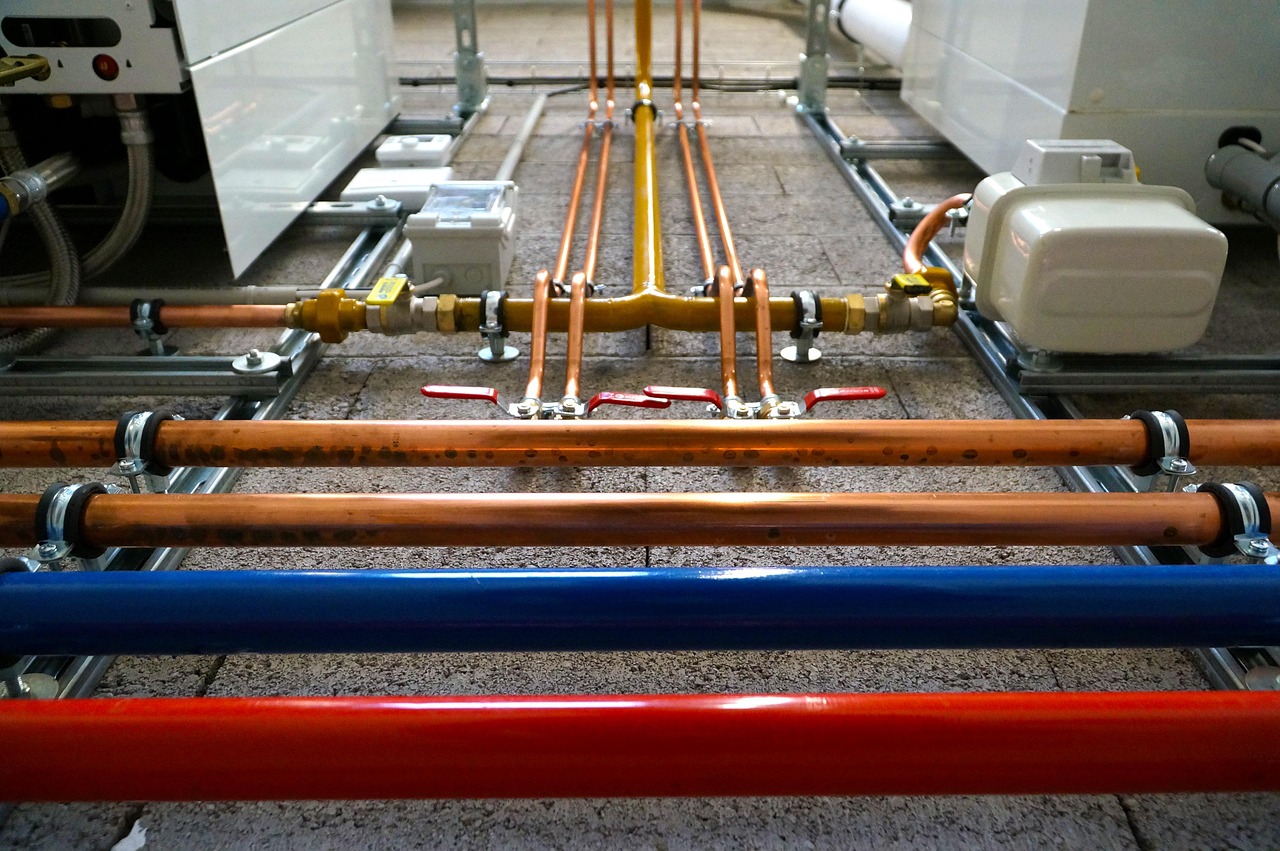
The ETH is a cylindrical unit that plumbs inline with 12 mm or 16 mm tubing depending on model. Water enters one end, passes a ceramic heating element enclosed in a plastic body, and exits the other. The built-in thermostat is a rotary dial on the side, and a small LED confirms the element is firing. No parts of the heater are visible in the display itself, which is its entire point.
Flow Rate Requirements
The ETH needs a minimum of 200 litres per hour moving through it to avoid localised overheating. Pair with an Eheim 2213 or Oase BioMaster 250 at the lower end, or any canister rated 400 lph-plus for the 300 W unit. If you run an undersized canister or clog the filter and flow drops, the element’s safety cutoff fires but the hose near the outlet still sees elevated temperatures. Clean your canister media on schedule. The Oase vs Eheim canister comparison covers flow figures for common pairings.
Temperature Accuracy
Rated accuracy is plus or minus 1 degree Celsius, coarser than an Eheim Jager but acceptable for community tanks. Against our reference thermometer, units sit within plus or minus 1.2 degrees across the first two years of use, drifting slightly cool as the thermostat ages. For breeding or reef work, slave the ETH to an external Inkbird controller rather than trusting the onboard dial past year two.
Silicone Hose Compatibility
The ETH fits standard Eheim 12/16 mm tubing with factory-supplied barbs; Oase and Fluval hoses also fit with minor adjustment. The fittings are a push-fit with a locking collar, not a screw thread, which simplifies maintenance. Do not substitute cheap silicone hose rated below 60 degrees Celsius; the section immediately downstream of the heater can hit 45 degrees briefly during long heating cycles and softens low-grade tubing.
HDB Aesthetic Advantage
For planted tanks where the scape is photographed regularly, removing the glass heater from the display is a real quality-of-life upgrade. We retrofit ETH units to client iwagumi and Dutch tanks where the 500 mm glass tube dominated the water column. The same logic applies to reef sump setups where the heater moves out of the main display and into the return plumbing. Our HDB living room aquascape guide covers display aesthetics that benefit from this choice.
Singapore Climate Sizing
The 200 W ETH is adequate for tanks up to 200 litres in typical Singapore HDB conditions with ambient 26 to 28 degrees. The 300 W handles tanks up to 400 litres. Avoid the 500 W model unless the tank is in an air-conditioned study running 22 degrees around the clock; oversized inline heaters cycle less and stress the ceramic element with thermal hammer. For nano tanks under 60 litres the ETH is overkill; a small Jager is more appropriate.
Installation Orientation
Mount the ETH vertically with the cable exit at the top to let entrained air purge through the system during start-up. A horizontal mount traps air bubbles against the element and causes dry-fire cutoffs in the first week. The cable should loop downward into a drip loop before reaching any plug, standard practice on all submerged or wet-location equipment. Review the broader aquarium electrical safety guide before wiring.
Long-Term Reliability
Client units from 2018 onward have a roughly 80 percent survival rate to year five, with the main failure being thermostat drift rather than element death. Replace the thermostat or the entire unit at the first sign of a 2-degree overshoot; do not nurse a drifting ETH past its service life. The cost of a replacement is less than one livestock casualty.
Singapore Pricing
The 200 W ETH runs $95 to $125 at Polyart and authorised online resellers; the 300 W sits at $120 to $145. Shopee grey-market stock is cheaper but the warranty path disappears. For a unit that lives inside a filter loop for years, paying for the authorised channel is sensible insurance.
When to Prefer a Submersible
For tanks without a canister or sump, an ETH is mechanically pointless; a submersible Jager or Finnex titanium unit is the simpler solution. For tanks with sumps, a heater in the return chamber is typically simpler than inline plumbing. The ETH is best suited to canister-driven planted tanks where aesthetics matter and flow is guaranteed. Notes on display options sit in the inline heater guide.
Verdict
The Hydor ETH is a quiet reliability win for canister-filter planted tanks in Singapore where display aesthetics matter. Size correctly, orient vertically, pair with matched tubing, and the unit disappears into the filter loop for five years of problem-free heating. It is not the cheapest route, nor the most accurate, but it is the cleanest-looking option for any aquascaper who has ever resented the heater dominating their iwagumi.
Related Reading