
Hydrocotyle Tripartita Mini Carpet Guide: Clover Creeper Lawn
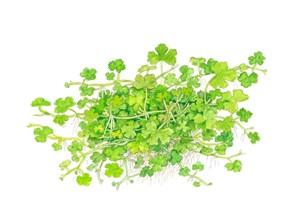
Few carpeting plants capture the look of a lush underwater lawn as convincingly as Hydrocotyle tripartita var. mini. Its distinctive three-lobed leaves, each roughly 1–1.5 cm across, create a textured carpet of bright green that softens hardscape and provides visual complexity at the foreground of a planted aquascape. Unlike some carpeting plants that demand extreme light and precision CO₂ management, this species earns its place in beginner and intermediate setups alike. This Hydrocotyle tripartita mini carpet guide from Gensou Aquascaping at 5 Everton Park covers the full process from initial planting to maintaining a dense, healthy lawn.
Understanding the Plant’s Growth Habit
Hydrocotyle tripartita mini is a stem plant that creeps horizontally as well as growing vertically. Left untrimmed, it will grow upward into the water column rather than remaining flat — achieving a true carpet requires regular trimming to redirect growth energy into lateral spread and density. This is different from genuinely prostrate carpeting plants like Eleocharis hairgrass, and understanding the growth habit prevents the common frustration of watching a “carpet” plant turn into a dense bush.
Planting Technique
Purchase small portions and divide them into individual or paired stem cuttings rather than planting large clumps. Push each cutting 1–2 cm into the substrate using aquascaping tweezers, spacing them 2–3 cm apart across the target area. This labour-intensive approach produces a more even carpet than planting large clumps, which tend to develop dense centres with bare patches at the edges.
Aquasoil substrate provides the best results — its nutrient content and slightly acidic pH suit this plant well. A fine sand substrate can work with additional root tab fertilisation, but initial establishment is slower. In Singapore, aquasoil is readily available from specialist aquascaping shops and online via Shopee and Lazada, with good-quality options at $20–40 per 3-litre bag.
Light and CO₂ Requirements
Moderate to high light encourages compact, low-spreading growth — the ideal for a carpet. Under low light, stems etiolate (stretch upward toward the light source) and become leggy, producing a sprawling plant rather than a neat lawn. Target 40–60 PAR at the substrate level with a photoperiod of eight to nine hours. High-quality LED planted tank lights perform well for this species.
CO₂ injection significantly improves results. At 25–30 ppm CO₂, H. tripartita mini grows faster, stays more compact, and develops brighter green colouration. It will grow without CO₂ — one of its genuine advantages over more demanding carpeting species — but the appearance is noticeably less impressive. For a show-quality carpet, pressurised CO₂ is strongly recommended.
Fertilisation
This species benefits from both water column and substrate nutrition. Dose a complete liquid fertiliser containing nitrogen, phosphorus, potassium, and micronutrients at the manufacturer’s recommended rate two to three times per week. Iron deficiency shows as pale or yellowish new growth — increase liquid iron dosing promptly if this appears.
In an established aquasoil substrate, H. tripartita mini draws heavily on stored nutrients in the first 12–18 months before the substrate begins to deplete. After this period, increasing liquid fertilisation and adding root tabs near the plant mass extends the productive lifespan of the substrate significantly.
Trimming for Carpet Formation
Trimming is the most critical management technique with this species. When stems begin growing vertically — typically every two to three weeks in a well-lit, CO₂-injected tank — trim horizontally across the entire carpet with sharp curved scissors, cutting to approximately 2–3 cm height. This forces the plant to branch laterally from the trimmed nodes, building density over successive trim cycles.
After trimming, remove all clippings promptly to prevent them from settling and decomposing among the carpet, which can cause melting of the lower growth. Three to four trimming cycles typically produce a genuinely dense, low-growing carpet from a sparsely planted beginning.
Common Problems
Yellowing leaves despite adequate fertilisation usually indicate a pH or CO₂ issue rather than a nutrient deficiency. Check that the drop checker is reading lime green and that CO₂ is dissolving effectively. Sparse, leggy growth almost always means insufficient light reaching the substrate — evaluate whether tall stem plants or floating plants are shading the foreground area.
Algae on the leaves — particularly green spot algae on mature leaves — indicates phosphate excess or insufficient CO₂. Trim affected leaves away and address the underlying parameter imbalance. With correct conditions and consistent trimming, Hydrocotyle tripartita mini produces one of the most attractive and distinctive carpet textures available to planted tank hobbyists — visit Gensou Aquascaping at 5 Everton Park for planting portions and substrate recommendations.
Related Reading



