Kalkwasser Stirrer Avast Review: Automated Reef Dosing
Avast Marine’s kalkwasser stirrer has been the quiet default in American reef rooms for over a decade, and a steady drip of them has made its way onto Singapore reef benches through group buys and the occasional direct order. This kalkwasser stirrer Avast review from Gensou Aquascaping at 5 Everton Park looks at how the unit holds up in a humid, always-on tropical environment, where its simplicity genuinely pays off against more modern reactor designs, and whether the $400-plus landed cost justifies itself for SG reefers running mixed or SPS-dominant systems.
What the Stirrer Actually Does
A kalkwasser stirrer holds a slurry of calcium hydroxide in RO water, periodically agitating it so that the supernatant stays saturated at roughly 800 to 1200 ppm calcium and pH 12.4. Fresh top-off water is drawn through the settled column and dosed into the sump by your ATO, delivering calcium and alkalinity in perfect 1:1 balance without needing two separate dosing containers. It is the cleanest, quietest supplementation method for tanks with moderate coral demand.
Avast’s Build Quality
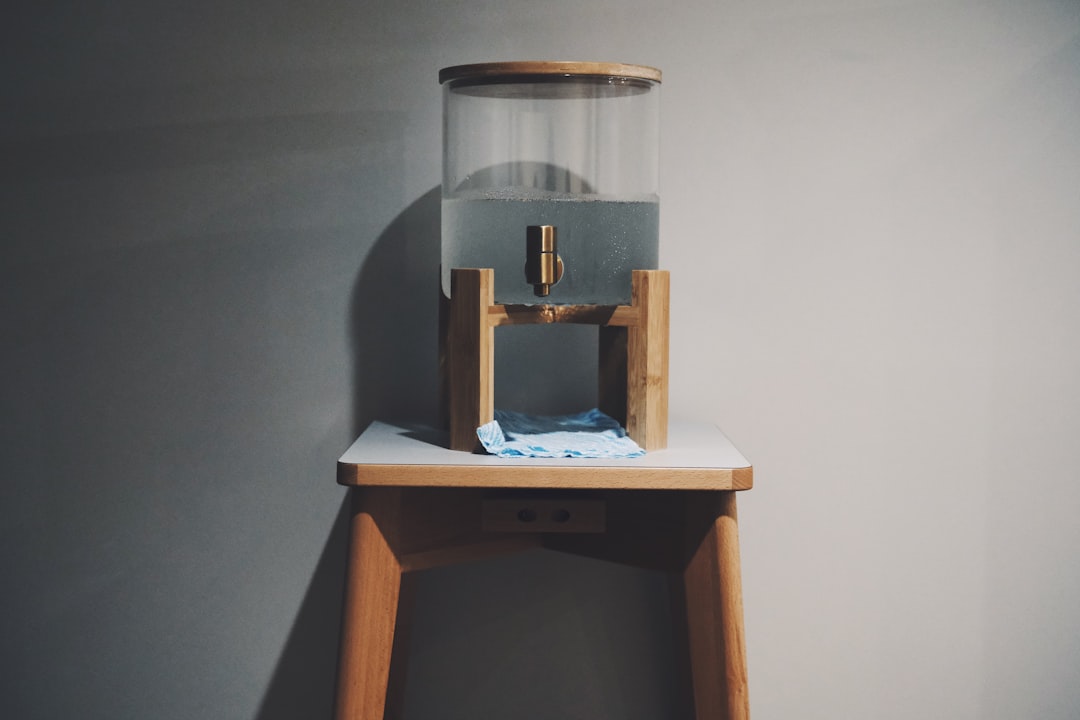
The unit is a cast acrylic cylinder with a threaded lid, a sealed DC motor driving a PTFE-bladed stirrer, and a timer module that pulses the motor every 30 to 60 minutes. Machining is clean, the threads seal without silicone grease, and the acrylic is thick enough to shrug off the occasional knock. The motor bearing is the usual wear point; expect five to seven years of continuous duty before it hums louder than you would like.
Integration With a Singapore ATO
Tunze Osmolator and Aqua Medic Refill SP units both work, though Tunze’s higher flow rate drags more slurry into the feed tube than ideal. Plumb the ATO output into the stirrer’s upper port, not the base; the base port will periodically siphon settled kalk into your display, which is memorably bad. Our best auto top-off system marine aquarium roundup covers the ATO options that pair cleanly with Avast.
Dosing Calculations for SG Tanks
A saturated kalkwasser solution delivers approximately 0.072 meq/L alkalinity per litre of top-off. A 400-litre mixed reef with SPS-leaning stocking typically consumes 2 to 3 meq/L alkalinity per day, which at 3 percent daily evaporation in a chilled HDB reef gives you 12 litres of top-off, roughly covering 0.864 meq of the demand. You will still need a two-part top-up or a calcium reactor for the balance; kalk alone rarely covers everything in a hot tank. For the calcium-alkalinity maths, see calcium alkalinity stability reef.
pH Management With Kalk
Kalk dosing at night is a classical technique to prop up the dawn pH dip caused by photosynthesis shutdown. In Singapore HDB flats that run aggressive daytime CO2 from AC-off hours and cooking, even a 400-litre reef can dip to pH 7.9 overnight without kalk; a well-run Avast stirrer holds it at 8.15. Test with a calibrated pH probe rather than a colour kit; the difference between 7.9 and 8.1 does not show clearly on chart paper.
Refilling and Maintenance Cadence
Two tablespoons of pharmaceutical-grade calcium hydroxide (Mrs Wages pickling lime works and lands cheap from Shopee) per 3 litres of RO is the starting slurry. Refill the chamber with RO water every two to three days; rebuild the slurry every four to six weeks when the settled cake becomes crusty. A used stirrer wants a full rinse and acid bath quarterly; vinegar at 30 percent dissolves the stubborn rim deposits in about an hour.
Power Draw and SG Electricity
The Avast motor pulls roughly 3 watts only during its stirring pulses, averaging under 1 watt continuous. On SP Group’s tariff the unit costs a few cents a month to run, which is trivial against the two-part reactor pumps it potentially replaces. For reefers watching their sump cabinet energy budget carefully, this is one of the lowest-draw automation pieces you can add.
Avast Against Modern Alternatives
Bubble Magus, Reef Octopus and a handful of Chinese brands sell motor-stirred kalkwasser reactors at roughly half the Avast price. Build quality on the budget units is acceptable but motors tend to fail at the two-year mark; Avast’s motor is noticeably better. A DIY stepper-driven stirrer on an Arduino will cost you $40 and an afternoon. The best aquarium kalkwasser reactor guide compares specific models.
When to Skip Kalkwasser Entirely
Tanks under 100 litres, tanks with soft coral only, and tanks running calcium reactors already do not need a kalk stirrer. Two-part dosing with a small peristaltic pump is simpler for nano reefs; a CaRx is more capable for SPS-dominant large systems. Kalk sits in the middle ground, and Singapore reefers running 150 to 500 litre mixed reefs are the natural audience.
Cost to Land in Singapore
Direct from Avast Marine is around USD 280 plus USD 60 to 80 shipping via their Singapore-friendly carriers. Including GST the total lands around $500. Occasional Carousell listings of lightly used units appear at $280 to $350; check the motor for hum and the acrylic for crazing near the lid threads before buying.
Verdict
For a mixed reef between 200 and 600 litres, the Avast stirrer is still the sensible kalk automation choice in Singapore, offering quieter, more reliable dosing than the budget imports and better long-term value than DIY. If your coral load pushes past 3 meq/L daily demand, plan on supplementing with two-part or a CaRx rather than asking the stirrer to do all the work.
Related Reading