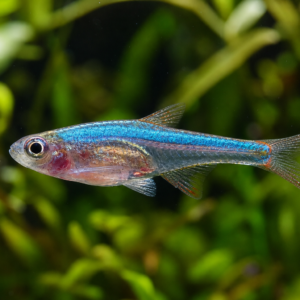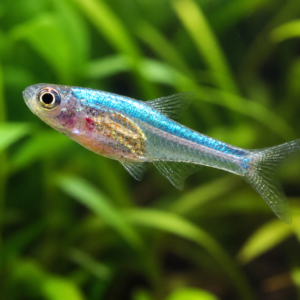

Clown Killi Fish
Epiplatys annulatus · Peaceful · Intermediate care
You save
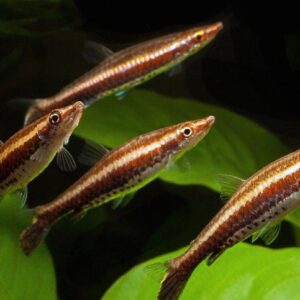
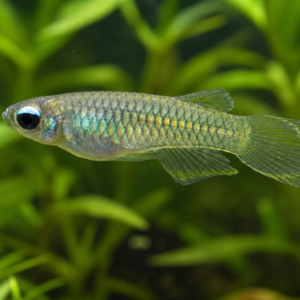
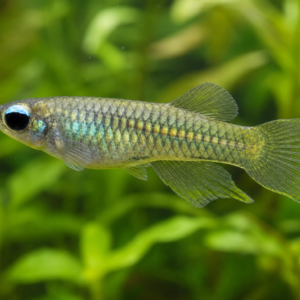
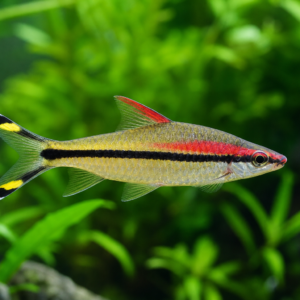
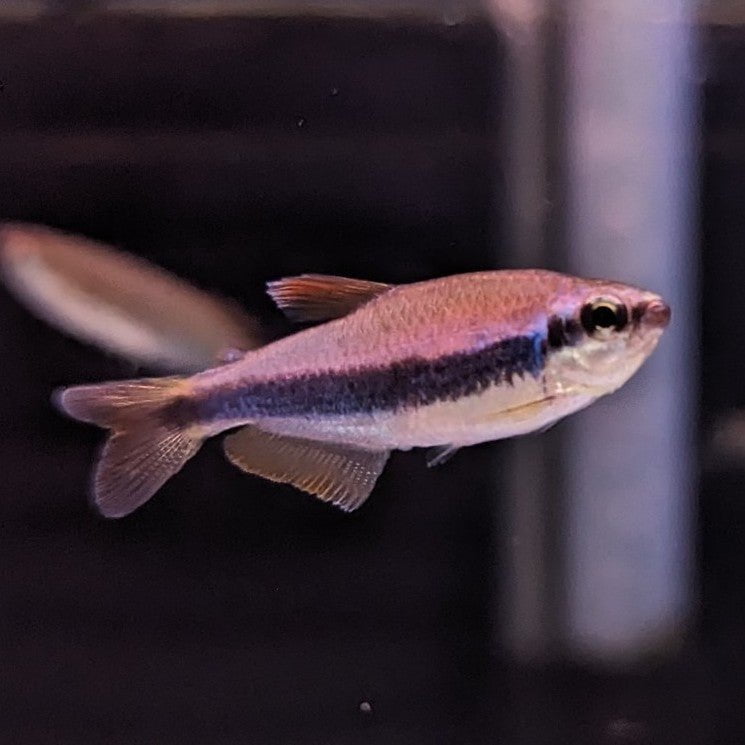
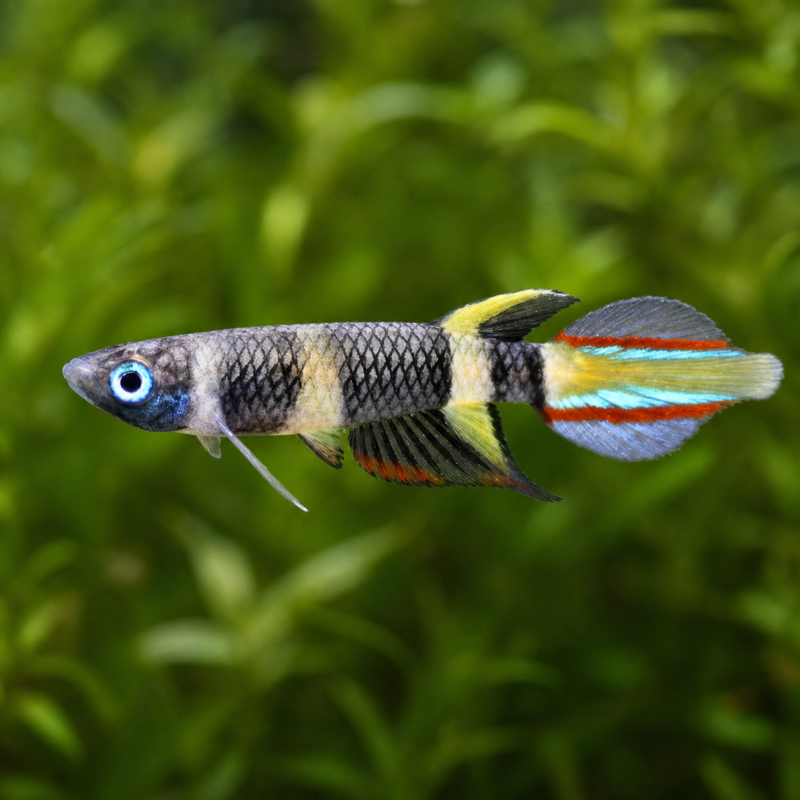
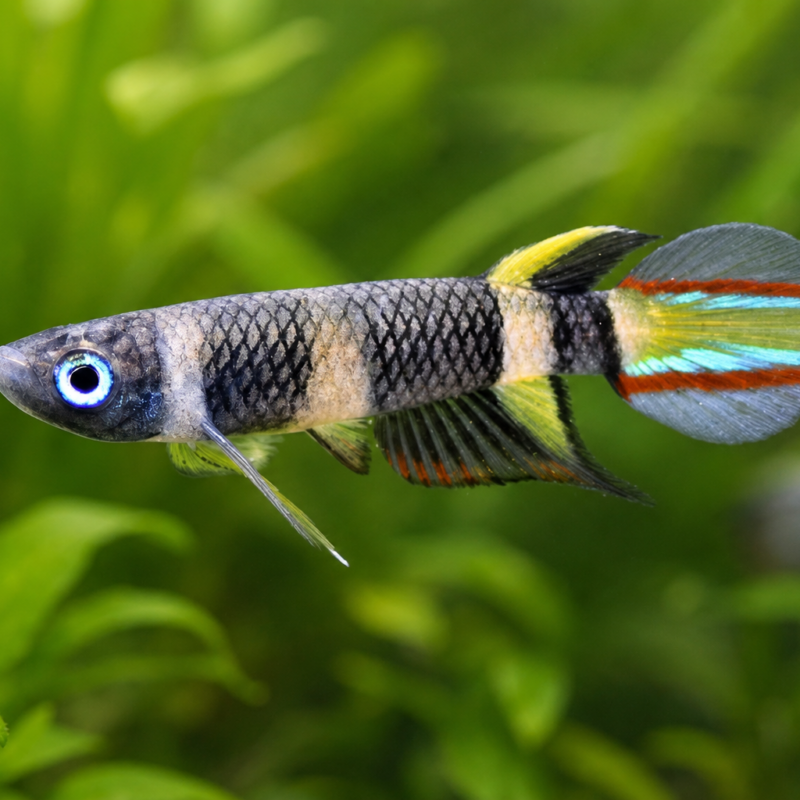
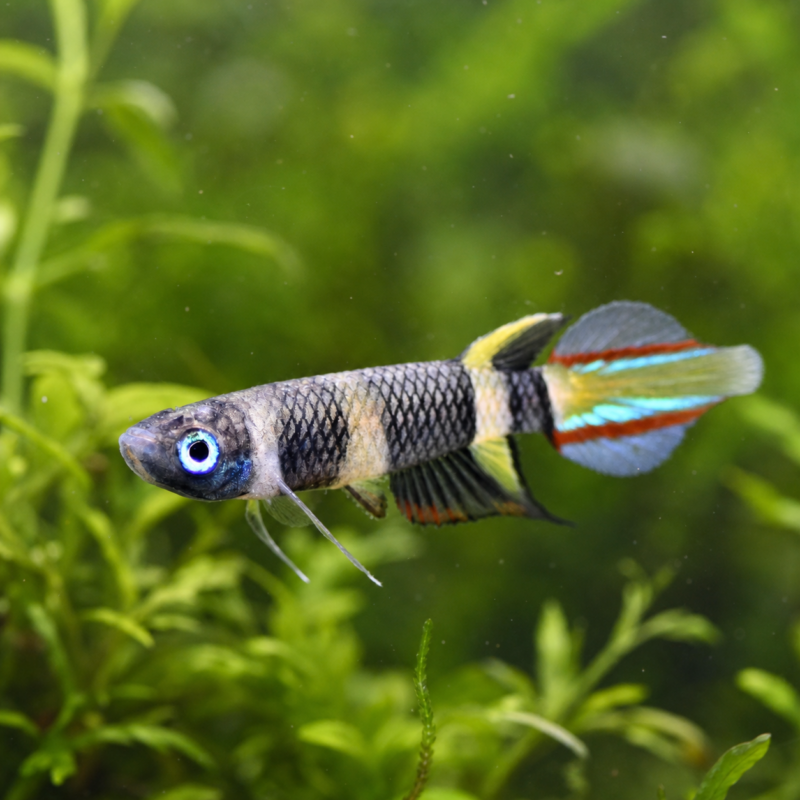
A jewel for nano tanks — banded cream-and-chocolate body with a flame of blue and red in the tail. This tiny surface-dwelling killifish thrives in calm, planted setups with floating cover.
Out of stock
Ask on WhatsAppAt a glance
Species profile Epiplatys annulatus
Origin
Coastal West Africa (Guinea, Sierra Leone, Liberia)
Family
Nothobranchiidae (African killifish family)
Adult size
Up to 3.5 cm (1.4 in)
Diet
Tiny live and frozen foods such as baby brine shrimp, daphnia, cyclops and micro-worms; often ignores flake (Carnivore)
Temperament
Peaceful
Swimming level
Top
Minimum group
6+ (shoaling)
Lifespan
3-4 years
Minimum tank
20 L (5 gal)
Water type
Freshwater
Size to scale
3.5 cm adult length, shown to scale against an iPhone 15 Pro (14.66 cm).
Natural range
Where it comes from — Africa
Coastal West Africa (Guinea, Sierra Leone, Liberia)
Water
Singapore tap water vs its needs
Hardness: Very soft to soft (1-8 dGH).
In the aquarium
How it lives in the tank
Swims in the top of the tank
Keep in a group of 6+
Sensitivity Index — Moderate
Adaptable, but happiest with stable parameters in a matured tank.
Our own read on how forgiving this species is of water changes — not a formal standard.
Keeping & care
What this fish needs
Family
About the Nothobranchiidae family African killifish family
Nothobranchiidae are the African killifishes, small, jewel-bright egg-laying toothcarps from sub-Saharan Africa, most famously the Nothobranchius 'annual' killifish of seasonal pools. Males are spectacularly coloured while females are plain, and many are true annuals — short-lived fish adapted to ponds that dry out each year. They are best kept in species tanks and are usually distributed as eggs through killifish associations rather than as adult fish.
Keep in a quiet, dimly-lit species tank with soft, slightly acidic water and a tight lid, feed live and frozen foods, and expect naturally short lifespans — prize them for colour and breeding rather than longevity.
Breeding
Annual egg-layer (peat diapause)Annual Nothobranchius spawn into a soft peat/coir substrate where the eggs undergo a dry dormancy (diapause) mimicking the dried-up pool. Keepers collect and gently dry the peat, store it damp for weeks to months, then re-wet it to hatch a batch of fry — hands-on but rewarding. Non-annual African killies are simpler plant-spawners whose fast-growing fry take newly hatched brine shrimp.
Feeding
Recommended food

Compatibility
Best tankmates
Community