Kitchen Aquarium Setup Guide: Heat, Grease, and Safe Placement
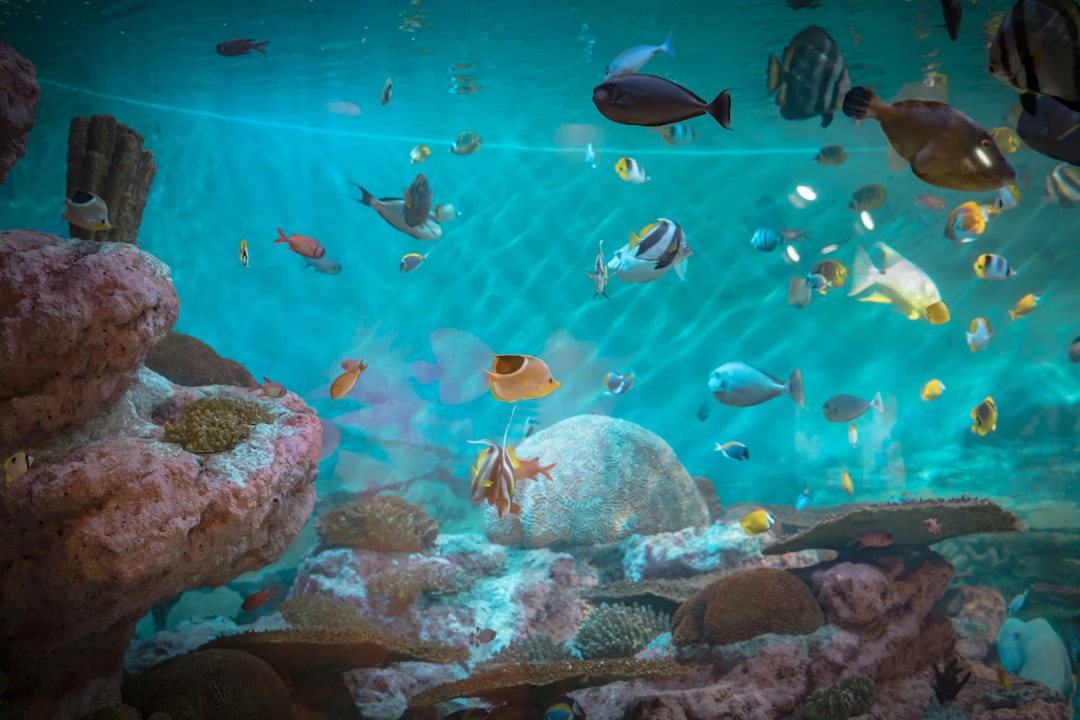
A kitchen tank is one of the more challenging placements in any home, not because fish cannot live there, but because cooking aerosolises oils, salts, and heat in ways that quietly erode water quality. This kitchen aquarium setup guide from Gensou Aquascaping Singapore at 5 Everton Park addresses the specific issues of a Singapore kitchen — wok frying, open-concept HDB layouts, and limited counter space — and offers a setup that actually survives long-term. With the right placement and equipment, a small kitchen aquarium can be a warm daily focal point rather than a maintenance headache.
Understanding the Risks
Cooking generates three hazards for a kitchen tank. The first is grease aerosol — tiny droplets of oil that travel several metres from a hot pan and settle as a film on any open water surface. The second is heat — gas and induction hobs throw enough radiant and convective heat to raise a nearby tank by three to five degrees Celsius within an hour. The third is salt — Singapore cooking uses generous sauces, and sodium levels in airborne droplets, while small, do accumulate over months in a closed system.
None of this makes a kitchen tank impossible. It just means placement and sealing matter more than they would in a living room setup.
Choosing the Right Placement
Distance is the single biggest variable. Keep the tank at least two metres from the stove in a straight line, ideally behind a partial wall or a tall appliance that blocks direct airflow. In open-concept HDB layouts this often means positioning the tank on a dining counter or island edge rather than a kitchen counter proper.
Height also matters. A tank above hob height catches more rising heat and grease than one below. Counter-height placement is better than a high shelf, and floor-standing tanks at the opposite end of a galley kitchen are best of all.
Tank Size and Format
Stay small. A 15 to 30 litre tank holds parameter stability long enough to ride out cooking sessions. Larger volumes dilute contamination further but kitchens rarely have the floor or counter real estate for a 60 litre tank. Cube tanks work well because they present less surface area to airborne contaminants than long shallow formats.
A sealed glass lid is non-negotiable. The open-top rimless style favoured by competitive aquascapers is a bad idea in a kitchen — the first wok session coats the water surface with a visible oil film within minutes.
Filtration and Surface Management
A hang-on-back filter with an adjustable surface skimmer attachment handles the oil film that inevitably develops. Even with a lid, gaps around heater cords and filter intakes let some aerosol settle. The skimmer attachment, running continuously, keeps the surface moving and pulls contaminants into the filter media.
Change mechanical filter media — usually a sponge or floss pad — every two to three weeks rather than the standard monthly interval. Kitchen tanks clog filter media faster than any other placement.
Electrical and Water Changes
Kitchen electrics in Singapore are usually robust — purpose-built sockets rated for kettles and rice cookers handle aquarium equipment without issue. Keep cords away from wet counters and maintain a drip loop on every line. Use a GFCI or RCCB-protected socket if available; in older HDB flats you may need to add a plug-in RCD at the wall for around $25.
Water changes are easier than in any other placement because the kitchen has a sink. Use a dedicated bucket that has never contained detergent. PUB tap water aged 24 hours or treated with Seachem Prime works fine.
Fish and Plant Selection
Pick species that tolerate mild parameter fluctuation. Shrimp colonies — Neocaridina davidi in any colour morph — thrive because their grazing keeps biofilm levels under control. Small schools of Boraras species fit a 20 litre cube and stay visible without demanding a large volume.
Avoid delicate species. Crystal shrimp, soft-water tetras, and fancy guppies all struggle in the parameter drift that kitchens produce over months. Robust plants — Anubias, Bucephalandra, Microsorum pteropus, Java moss — tolerate the mild film that coats leaves occasionally and can be rinsed clean during maintenance.
Temperature Management
Singapore kitchens already run warm — 30 to 32 degrees Celsius during cooking sessions is normal. Adding a heater makes no sense; in fact, you may need a small clip-on fan during heavy cooking days to pull heat off the tank surface. Fish species tolerant of 28 to 30 degrees Celsius are appropriate; cooler-water species like white cloud minnows struggle.
If the kitchen has air-conditioning or strong through-ventilation, tank temperature stabilises more easily. HDB kitchens without either tend to see the widest daily temperature swings.
Maintenance Rhythm
Weekly — a 25 percent water change, glass wipe inside and out, surface skim, and a media rinse. Monthly — deeper filter clean, plant trim, and exterior dust of the lid and light unit where kitchen grease settles.
A well-run kitchen tank typically needs about 20 minutes of weekly attention. Skip two weeks in a row and the film, plant trim, and filter all compound into a longer session. Small consistent intervention is how this placement stays viable.
Related Reading
- Best Fish for a Kitchen Countertop Tank
- Best Aquariums for HDB Flats
- Best Nano Aquariums Under 20 Litres
- Is Singapore Tap Water Safe for Aquariums?
Conclusion
A kitchen aquarium is perfectly workable when you respect what cooking does to the air around it — grease, heat, and salt. Place the tank far from the hob, keep it sealed, run a surface skimmer continuously, and choose livestock tough enough to handle minor parameter drift. With those basics in place, a small kitchen tank brings calm to one of the busiest rooms in any Singapore home.