
Koi Breeding and Spawning Pond Singapore Guide: Trigger and Setup
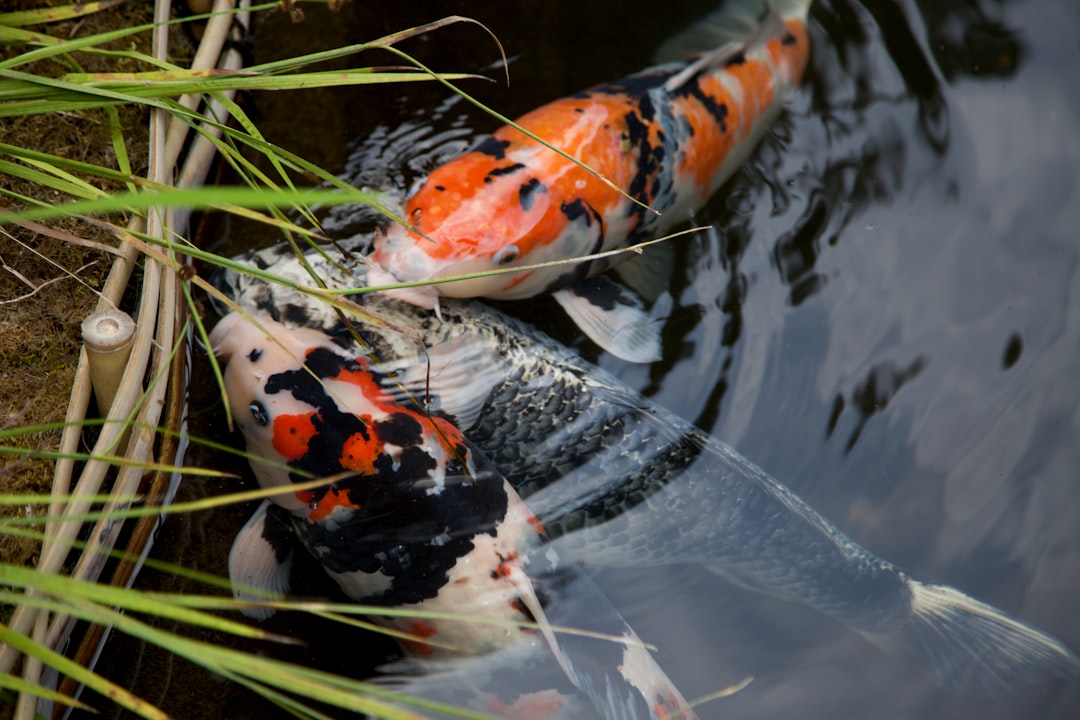
Spawning koi in a tropical climate is a different game from running a pond in Niigata. Singapore’s stable 28-31°C ambient skips the temperature swing that triggers wild spawning, so breeders here engineer the trigger artificially using cooled holding ponds or chiller-managed mating tanks. The koi breeding singapore setup demands careful broodstock selection, dedicated infrastructure, and patience through 4-7 day egg incubation. This guide from Gensou Aquascaping at 5 Everton Park covers the spawning pond build, temperature management, and the protocols that make tropical-climate breeding work.
Broodstock Selection
Choose two-year-plus females (45-60 cm, full-bodied) and three-year-plus males (40-55 cm, slim and active). Females must show ripening signs: rounded vent, swollen flanks, soft belly. Males develop white tubercle pads on the gill covers and pectoral leading edges during spawning readiness. Maintain a 2:1 male-to-female ratio for fertilisation reliability. Quality broodstock from documented bloodlines (Sakai, Dainichi, Marudo) costs SGD 800-5000 per fish at Singapore importers.
Spawning Pond Dimensions
Build a dedicated spawning pond at 200-300 cm length, 150 cm width, 60-80 cm depth. The shallower depth makes spawning chases visible and lets brushes sit at proper midwater placement. Concrete or fibreglass shells work; avoid liner-only ponds because broodstock damage soft liners during chases. A separate fry-rearing pond at 300-500 cm with 30-50 cm depth handles egg hatching after parents are removed.
Temperature Trigger in Singapore
Wild koi spawn at 20-22°C as water warms after winter. Singapore stays warm year-round, so breeders cool a holding pond to 22°C using a chiller for 7-14 days, then transfer broodstock to the spawning pond at 25°C. The temperature lift triggers ripening cascades within 24-48 hours. Some Singapore breeders use the natural cool-down during heavy monsoon weeks (December-February) when ambient drops to 25-26°C.
Spawning Brushes and Substrate
Females scatter eggs onto fine-fibred substrate. Use commercial spawning brushes (synthetic mops, 30-50 cm long) anchored to PVC frames at midwater, or fresh willow root bundles, or kohaku spawning mats. Place 10-15 brush units across the pond. Sterilise brushes in salt or potassium permanganate before use. Egg-eating prevention is critical — broodstock devour eggs within hours of laying, so remove parents within 24 hours of completed spawning.
Equipment and Supplies
Stock the spawning pond with strong aeration (multiple airstones), a sponge-baffled return, a UV steriliser to manage post-spawn waterborne pathogens, and a temperature-controlled holding chiller. The aquarium equipment range covers pumps, UV units and air systems. Conditioner from the water care and treatment shelf treats every water change. Methylene blue (1 ppm) on the eggs prevents fungal infection during incubation.
Spawning Behaviour and Timing
Once triggered, spawning happens at dawn. Males chase females through the brushes; the female releases eggs in pulses and males release milt simultaneously. The whole spawning event lasts 2-4 hours. A single female releases 100,000-300,000 eggs depending on size. Eggs are 1.5-2 mm, sticky, semi-transparent. Fertilised eggs turn opaque-white if dead within 24 hours; viable eggs remain translucent and develop visible eye spots by day 3.
Post-Spawn Pond Management
Remove broodstock immediately after spawning ends. Reduce flow to gentle aeration only — strong current dislodges eggs. Maintain 22-25°C through hatching (4-7 days at 22°C, faster at 25°C). Watch for fungus on dead eggs; remove visible mouldy clusters with a fine net. Fry hatch with attached yolk sacs and remain on the brushes for 48-72 hours before swimming free.
Singapore Regulations and Practical Notes
Singapore’s Animal and Veterinary Service (AVS) does not require permits for hobbyist koi breeding, but commercial broodstock import requires CITES-style health certificates and quarantine paperwork. Fry must not be released into public waterways. Most Singapore breeders sell or donate culls through the Singapore Koi Club rather than commercial channels. Costs of a complete breeding setup (pond build, chiller, equipment) run SGD 6000-25000 depending on scale.
Related Reading



