
Limnophila Hippuridoides Care Guide: The Purple Ambulia
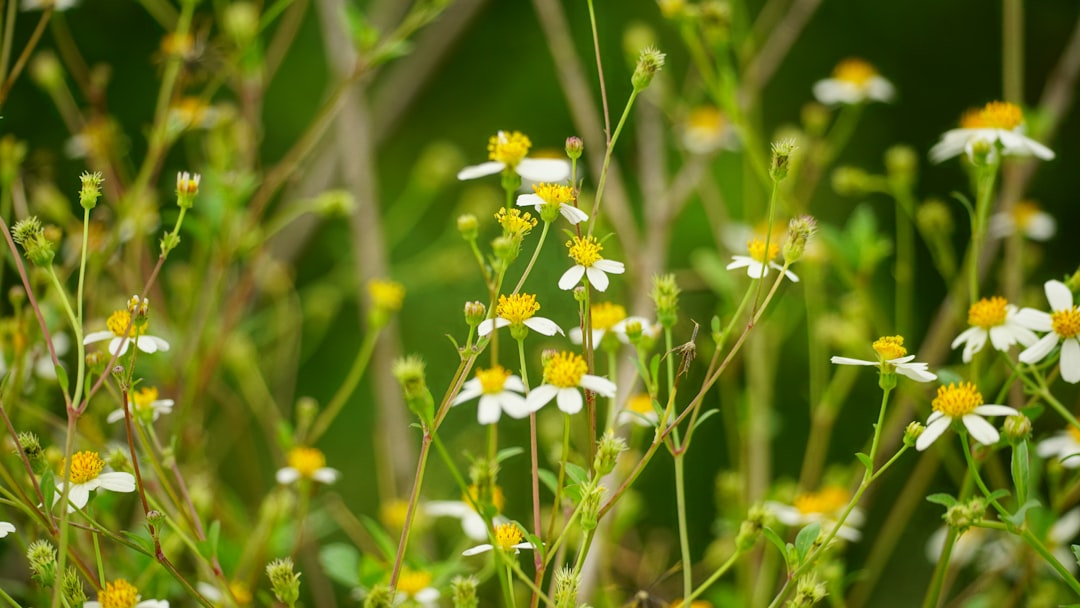
Limnophila hippuridoides is a stunning stem plant that produces whorled leaves in shades of deep purple, burgundy and bronze under high light. Native to Southeast Asia, it is one of the easiest purple-toned stem plants to grow, making it accessible to aquascapers who want colour beyond the usual green. This Limnophila hippuridoides care guide from Gensou Aquascaping at 5 Everton Park helps you achieve its best colour.
Plant Overview
Limnophila hippuridoides grows in marshes and rice paddies across Southeast Asia, including parts of Malaysia and Indonesia. In the aquarium, it reaches 30–50 cm with dense whorls of narrow leaves along the stem. Under high light and good nutrition, the upper leaves turn deep purple to burgundy while lower shaded leaves remain green — this natural gradient is part of its appeal. Growth rate is moderate to fast.
Light and CO2 Requirements
High lighting is essential for the purple colouration. Under moderate light, the plant grows well but stays green, defeating its main purpose. Aim for 80–120 PAR at substrate level. CO2 injection is strongly recommended — it dramatically improves growth density and colour intensity. Without CO2, the plant grows slowly and may become leggy. A combination of strong light, CO2 at 20–30 ppm and iron supplementation produces the deepest purple tones.
Substrate and Nutrients
Plant in nutrient-rich aqua soil for best results. Limnophila hippuridoides feeds from both roots and the water column. Regular dosing of liquid fertiliser with emphasis on iron and micronutrients is critical for colour development. Iron deficiency causes the plant to stay green even under high light. Macronutrients (nitrogen, phosphorus, potassium) should be dosed consistently — any deficiency slows growth and reduces colour.
Planting and Placement
Plant stems in groups of five to seven in the midground or background. Space stems 3–4 cm apart. The purple colouration creates a striking contrast when placed next to bright green plants like Rotala rotundifolia ‘Green’, Micranthemum or Eleocharis. In Dutch-style aquascapes, it provides an essential colour accent. Place it where it receives direct light — shaded positions produce green growth only.
Pruning and Propagation
Trim the tops when stems reach the water surface and replant the cuttings. The remaining stumps produce side shoots, creating a bushier appearance. Propagation is as simple as cutting healthy stems of at least 10 cm and planting them directly. Regular topping every two to three weeks keeps the plant compact and the colour gradient attractive. Discard leggy lower sections that have lost their leaves.
Common Issues
Green colouration despite high light indicates iron or micronutrient deficiency — increase iron dosing. Leggy growth with bare lower stems means insufficient light intensity. Melting after purchase is common as the plant transitions from emersed nursery growth to submersed aquarium conditions — new submersed leaves emerge within one to two weeks. Algae on leaves usually indicates a CO2 or nutrient imbalance rather than a problem with the plant itself.
Related Reading
- Limnophila Aromatica Care Guide: Purple Stems With Fragrance
- Limnophila Sessiliflora Guide: The Easier Alternative to Cabomba
- Active vs Inert Substrate: Which Is Right for Your Planted Tank?
- Alternanthera Reineckii Mini Care Guide: Compact Red Carpet Plant
- Amazon Frogbit Care Guide: Shade, Filtration and Beauty



