
Madagascar Freshwater Biotope Aquascape: Endemic Fish and Plants
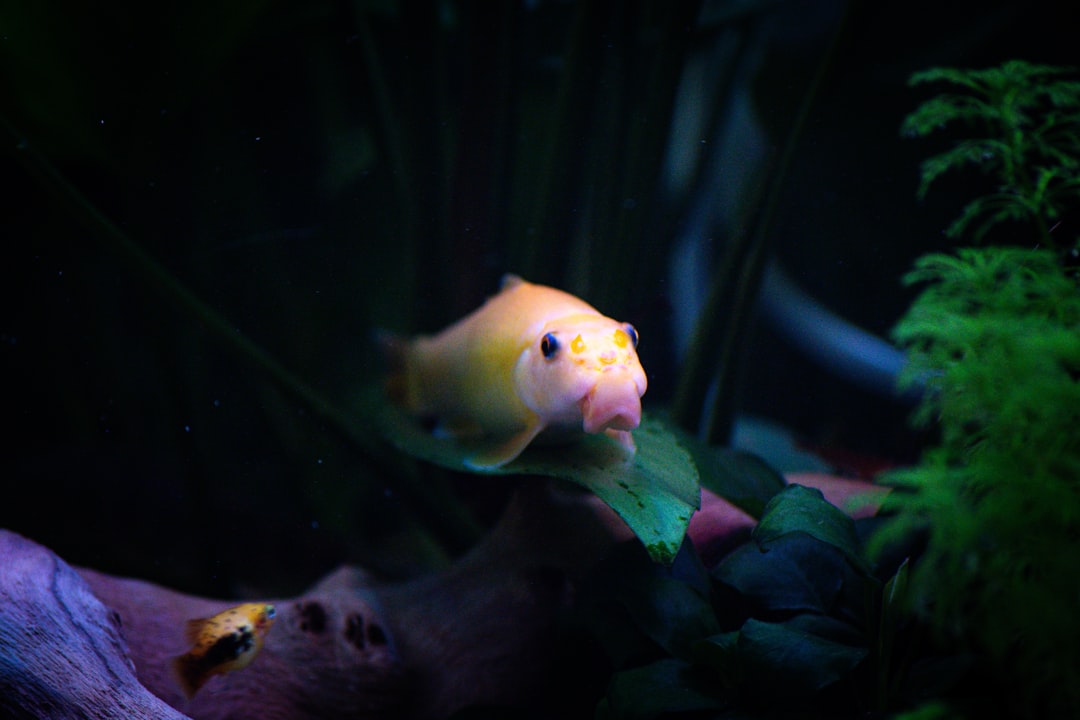
A madagascar freshwater biotope aquascape recreates one of the most unique aquatic ecosystems on earth. Madagascar’s rivers and streams harbour species found nowhere else — over 90% of its freshwater fish are endemic. At Gensou Aquascaping Singapore, working from 5 Everton Park with over 20 years of hands-on experience, we find Madagascar biotopes among the most rewarding and conversation-starting aquascapes we build.
Why Madagascar Stands Apart
Madagascar separated from the African mainland roughly 160 million years ago. This isolation produced a freshwater fauna and flora unlike any other. The island’s rivers range from soft, acidic blackwater streams in the eastern rainforests to hard, alkaline limestone rivers in the west. Each habitat type supports distinct species assemblages.
For aquascapers, this means incredible design diversity within a single island theme. You can go dark and mysterious or bright and rocky — both are authentically Malagasy.
Endemic Fish Species for the Biotope
The bedotia rainbow (Bedotia geayi) is the most accessible Madagascar endemic in the Singapore hobby. These slender, iridescent fish grow to 8-10 cm and thrive in schools of 6 or more. They tolerate a wide pH range of 6.5-8.0 and do well at our ambient 28-30°C.
Paretroplus menarambo, the pinstripe damba, is a stunning cichlid listed as critically endangered in the wild. Captive-bred specimens appear occasionally on Carousell at $30-$60 each. They need tanks of 200 litres or more and can be territorial during breeding.
Pachypanchax omalonotus, the Madagascar killifish, stays under 6 cm and fits nano biotopes of 40-60 litres. Peaceful and surface-dwelling, it adds movement to the upper water column.
Plants From the Island
Aponogeton madagascariensis, the famous lace plant, is the centrepiece of any Madagascar biotope. Its fenestrated leaves are instantly recognisable. Lace plants prefer cooler water around 22-25°C, which makes them challenging in Singapore without air conditioning or a chiller. A room set to 24°C keeps them comfortable.
Aponogeton ulvaceus is far easier. Its bright green, wavy leaves tolerate 26-30°C and grow vigorously under moderate light. Bulbs cost $5-$10 locally and sprout within days of planting.
Nymphaea species native to Madagascar provide broad surface leaves that filter light and create shaded zones beneath — perfect for bottom-dwelling fish.
Hardscape and Substrate
Eastern rainforest streams feature sandy bottoms with scattered driftwood, leaf litter, and smooth pebbles. Use fine sand (1-2 mm grain) in earth tones. Add spider wood or Malaysian driftwood to simulate fallen branches. Dried Indian almond leaves or jackfruit leaves complete the blackwater look and release beneficial tannins.
Western limestone rivers call for a different approach: pale, textured rocks stacked to create caves and overhangs, with coarser gravel substrate. Seiryu stone or locally sourced limestone works well, though it will raise pH and hardness — acceptable for western-habitat species.
Water Parameters
Eastern biotope: pH 5.5-6.5, GH 2-6, KH 1-3. Singapore’s PUB tap water is naturally soft and slightly acidic, so minimal adjustment is needed. Add peat filtration or alder cones to push pH lower and tint the water amber.
Western biotope: pH 7.5-8.5, GH 8-15, KH 6-10. Buffer with crushed coral in the filter or limestone hardscape. This requires more intervention from Singapore’s baseline water parameters but is achievable with consistent mineral supplementation.
Aquascape Layout Approach
A natural Madagascar stream is not manicured. Randomness is authenticity. Scatter driftwood at varying angles. Let plant placement look incidental rather than designed. Leave open sand patches that mimic shallow pools between root tangles.
For tanks 90 cm or wider, create a gentle S-curve of wood leading from back to front. Position Aponogeton bulbs in the midground where their leaves can arch toward the light. Keep the foreground sparse — sand and leaves only — to replicate the silty stream margin.
Lighting and Filtration
Moderate lighting of 30-50 PAR at substrate level suits most Madagascar plants. Intense light encourages algae on lace plant leaves, which suffocates the delicate fenestrations. A canister filter with gentle output mimics the slow to moderate flow of Malagasy forest streams.
Biological filtration is critical because endemic cichlids like Paretroplus produce significant waste. Oversize your filter by 50% — if the tank needs a rated-for-200-litre filter, use one rated for 300 litres. This keeps ammonia and nitrite at zero, protecting these rare and valuable fish.
Conservation and Responsibility
Many Malagasy freshwater species are endangered. Always source captive-bred fish. Support local breeders in Singapore who propagate Bedotia, Paretroplus, and Pachypanchax. A well-maintained madagascar freshwater biotope aquascape does more than look stunning — it raises awareness and preserves genetic diversity outside the wild. That responsibility adds meaning to every water change and feeding session.
Related Reading



