
Nassarius Snail Care Guide: The Marine Sand-Sifting Scavenger
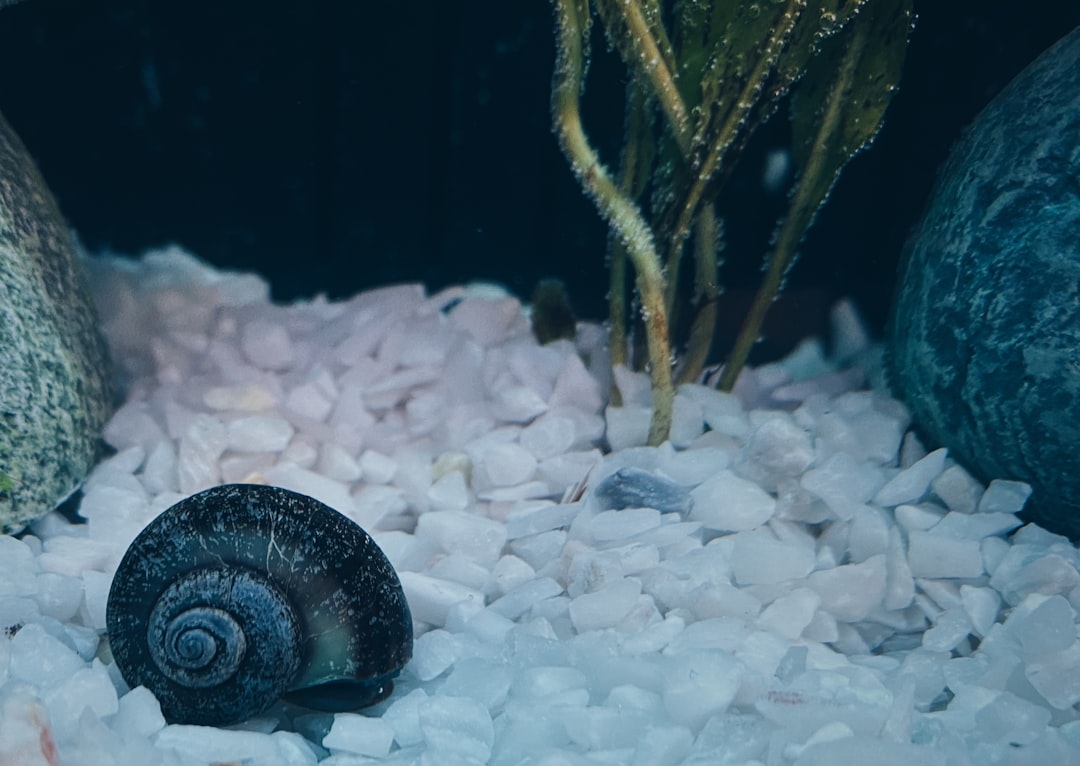
If your sand bed looks lifeless and detritus builds up between water changes, nassarius snails might be exactly what your tank needs. This nassarius snail marine cleanup care guide explains why these small scavengers are among the most effective sand-bed cleaners available to Singapore reefers. At Gensou Aquascaping Singapore, we consider nassarius snails an essential part of any marine clean-up crew — they are industrious, reef-safe and genuinely entertaining to watch.
Species Profile
Nassarius snails belong to the family Nassariidae, with Nassarius vibex and Nassarius distortus being the most common species in the marine trade. Adults are small, typically 1 to 2 cm in shell length. They spend most of their time buried just beneath the sand surface with only their siphon — a small tube-like appendage — poking above the substrate. When food hits the water, they erupt from the sand in dramatic fashion, racing towards the source. Prices in Singapore are modest, usually $1 to $3 per snail.
Tank Requirements
Nassarius snails require a sand bed of at least 2 to 3 cm depth so they can bury themselves comfortably. Fine to medium-grade aragonite sand works best. They thrive in tanks of any size, from nano setups of 40 litres to large reef systems. The key requirement is a mature tank with biological filtration and some organic matter settling on the sand bed. In brand-new tanks with pristine sand, nassarius snails may starve — wait until the tank has been running for at least two to three months before adding them.
Water Parameters
Standard reef conditions suit nassarius snails well: salinity at 1.025, temperature at 25 to 27 °C, ammonia and nitrite at zero, and nitrate below 20 ppm. They are sensitive to copper, so never dose copper-based medications in a tank containing invertebrates. Singapore’s PUB tap water is soft and slightly acidic, which is fine once mixed with a quality reef salt to the correct salinity.
Diet and Feeding
Nassarius snails are carnivorous scavengers, not herbivores — a common misconception. They feed on detritus, uneaten fish food, decaying organic matter and carrion. They do not eat algae, so do not rely on them for algae control. In well-stocked tanks, normal fish feeding provides enough scraps to sustain a reasonable population. In lightly stocked or heavily skimmed systems, you may need to target-feed by placing a small piece of raw prawn on the sand bed once or twice a week.
Stocking Density
A general guideline is one nassarius snail per 15 to 20 litres of tank volume. Overstocking leads to starvation, as there simply is not enough detritus to go around. Start with a conservative number and observe whether they remain active and responsive to food. If snails spend extended periods above the sand line or become lethargic, the population may be too high for the available food supply. A thoughtful nassarius snail marine cleanup care approach avoids the common mistake of adding too many at once.
Sand-Sifting Benefits
Beyond scavenging, nassarius snails provide valuable sand-bed maintenance. Their constant burrowing aerates the substrate, preventing anaerobic dead zones that can produce hydrogen sulphide — a toxic gas recognisable by its rotten egg smell. This aeration promotes beneficial bacterial activity and keeps the sand looking clean and natural. For Singapore reefers running deep sand beds, nassarius snails are a low-maintenance way to maintain substrate health.
Compatibility
Nassarius snails are completely reef-safe. They ignore corals, clams, other invertebrates and fish. Their only concern is finding food in the sand. However, some wrasses and hermit crabs may prey on small nassarius snails, so consider your existing livestock when adding them. They pair well with other clean-up crew members like cerith snails, trochus snails and turbo snails, each handling a different niche in the tank.
Related Reading
Explore more marine invertebrate and reef guides from Gensou Aquascaping Singapore:



