
Norman’s Lampeye Killifish Care Guide: Glowing Eyes in the Dark
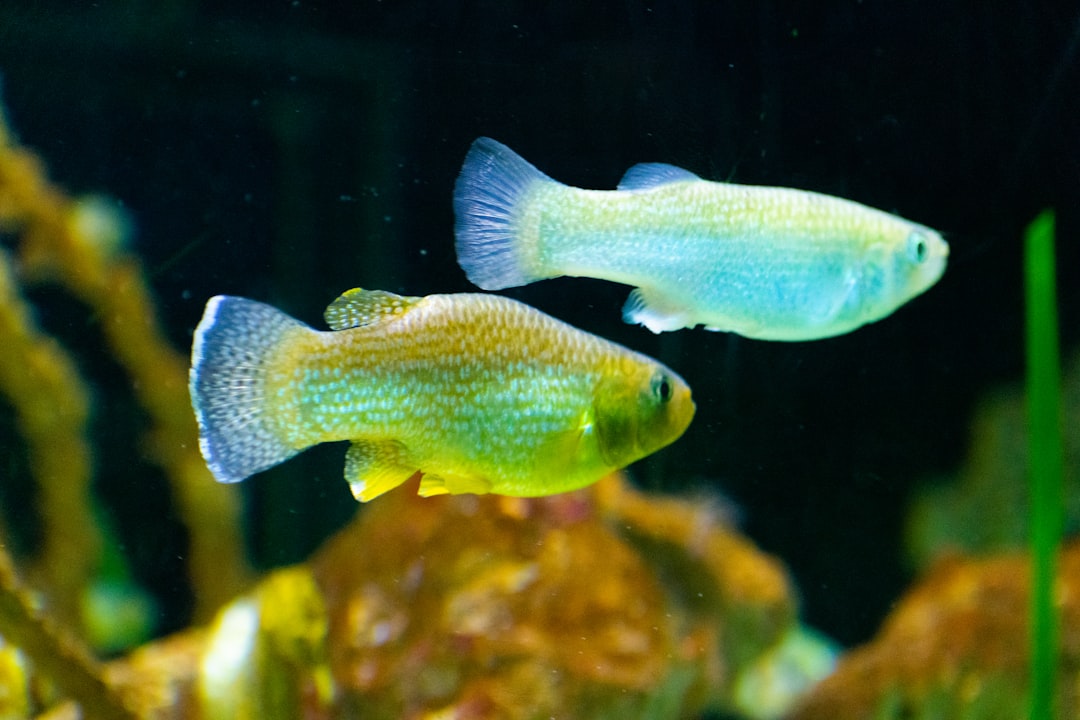
Norman’s lampeye killifish (Poropanchax normani) is one of the hobby’s best-kept secrets. These tiny fish possess an iridescent blue-green crescent above each eye that literally glows under aquarium lighting, creating a mesmerising effect when kept in a large school. This Norman’s lampeye killifish care guide from Gensou Aquascaping at 5 Everton Park will help you succeed with these understated beauties. This guide sits inside our broader Tropical Fish Species Master Index reference.
Species Overview
Norman’s lampeye originates from West Africa, inhabiting slow-moving streams, swamps and the margins of larger rivers. They are non-annual killifish, meaning they do not have a short lifespan tied to seasonal pools — expect two to three years in captivity. Adults reach just 3–4 cm, making them ideal nano fish. Their subtle silver body is easily overlooked until the aquarium lights hit those remarkable glowing eyes.
Tank Requirements
A school of ten or more is recommended to bring out their best behaviour and visual impact. A 40-litre tank suffices for a species-only group, though 60 litres provides more swimming space. They prefer gentle filtration — a sponge filter or a hang-on-back with reduced flow works best. Floating plants like Amazon frogbit or Salvinia provide the dappled shade they appreciate and reduce jumping, as lampeyes are accomplished leapers.
Water Parameters
Maintain temperature between 22 °C and 26 °C, pH 6.0–7.5, and soft to moderately hard water (GH 3–10 dGH). They tolerate Singapore’s tap water well after dechlorination. Consistent water quality matters more than hitting exact numbers — avoid sudden swings. Weekly water changes of 20 % keep parameters stable.
Diet and Feeding
Lampeyes are micro-predators that prefer tiny live and frozen foods. Baby brine shrimp, daphnia, cyclops and micro worms are eagerly accepted. They will also eat finely crushed flake food and micro pellets, but live or frozen foods bring out the best colour and encourage natural behaviour. Feed small amounts twice daily, as their tiny stomachs fill quickly.
Tank Mates
Choose equally small and peaceful companions: Boraras rasboras, Corydoras pygmaeus, otocinclus, small tetras like embers and green neons, and dwarf shrimp. Avoid any fish large enough to eat them or boisterous species that will outcompete them for food. They make exceptional companions for planted nano aquascapes.
Breeding
Norman’s lampeyes scatter eggs among fine-leaved plants or spawning mops over several days. Eggs hatch in 10–14 days at 24 °C. The fry are extremely small and require infusoria or vinegar eels for the first week before graduating to baby brine shrimp. A dedicated breeding tank with Java moss or spawning mops, gentle filtration and no adult fish gives the best survival rates.
Singapore-Specific Tips
Temperature management may be needed during Singapore’s hottest months, as lampeyes prefer the cooler end of tropical temperatures. A cooling fan is usually sufficient. Their subtle beauty is best appreciated under low to moderate lighting against a dark background — consider a dark substrate and background to make those glowing eyes pop. Available intermittently at speciality shops; ask your local store to bring them in.
Conclusion
Norman’s lampeye killifish offer something truly unique — a fish that seems to carry its own lighting. In a well-planted tank with subdued lighting and a dark backdrop, a school of lampeyes creates an unforgettable display. Visit Gensou Aquascaping at 5 Everton Park for advice on creating the perfect setup.



