
Orange Chromide Cichlid Brackish Care Guide: Etroplus Maculatus
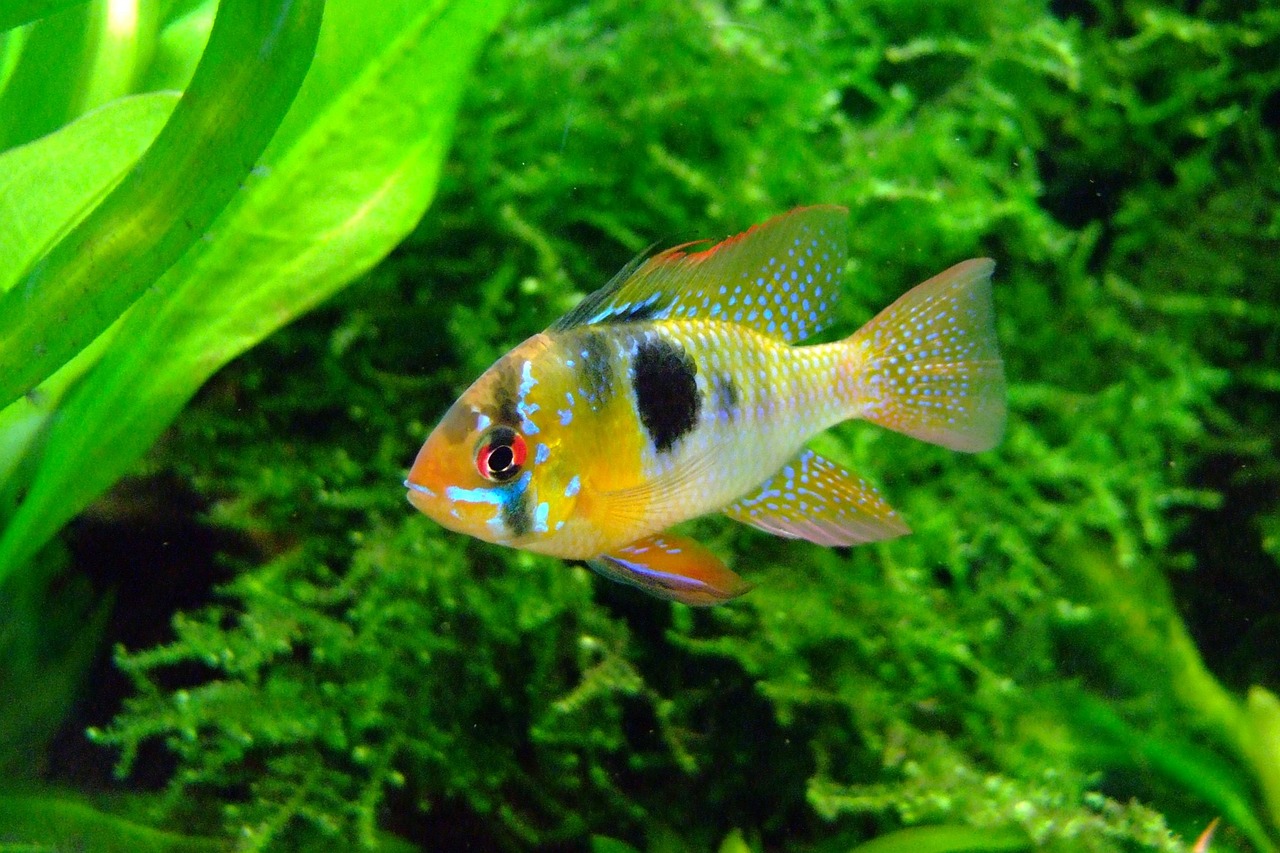
The cichlid family is overwhelmingly New World and African, which makes Asia’s only true cichlid lineage feel almost mythological. The orange chromide cichlid, Etroplus maculatus, is one of three Etroplus species native to Sri Lanka and the Indian peninsula, and the only Asian cichlid that reliably thrives in mild brackish water. This guide from Gensou Aquascaping at 5 Everton Park covers salinity targets, pair-bonding behaviour and the unusual biparental fry care that makes this species a rewarding breeding project for keepers ready to graduate from livebearers.
Natural Habitat and Salinity Range
Orange chromides live in coastal lagoons, lower river deltas and estuarine backwaters across Kerala, Tamil Nadu and Sri Lanka. Salinity in those systems fluctuates with monsoon and tide, and the species handles SG 1.000 through 1.012 without strain. Captive husbandry settles best at SG 1.005-1.010 — enough salt to suppress fungal infections and tighten finnage, but light enough that plants and other brackish-tolerant species cohabit comfortably.
Tank Size and Layout
A bonded pair needs 90 litres minimum. Groups of six or more for pair selection require 180 litres. Layout should mimic estuarine debris fields — flat slate or driftwood spawning surfaces, sand substrate from the decoration and substrate range, and scattered hardscape that creates visual breaks. Open swimming space across the front glass matters; chromides patrol territories rather than hide constantly.
Water Parameters
Target pH 7.5-8.2, GH 10-15, KH 6-10. Singapore’s soft tap requires hardness boosting. Mix RODI with marine salt from the marine saltwater range rather than aquarium salt — the trace minerals in marine salt are essential for cichlid scale and slime coat health. Stable temperature between 24-28°C suits the species; anything above 30°C accelerates aggression.
Pair Bonding
Buy six juveniles around 3-4 cm and let pairs form naturally. Forced pairings of adults rarely succeed — the species is monogamous and discriminates strongly. Bonded pairs hold territory together, defend mutually, and remain together for years. Sex-watch tip: females show a darker belly patch and slightly rounder profile when in breeding condition.
Biparental Fry Care
Both parents tend eggs, fan with pectoral fins and guard the wriggler stage on a flat surface. What makes Etroplus maculatus remarkable is the parental mucus-feeding behaviour — fry nip a nutritious mucus secretion off both parents’ flanks during the first week of free swimming. This is rare outside discus. Do not strip eggs unless absolutely necessary; parental rearing produces stronger juveniles.
Diet
Wild diet runs heavily plant-biased — algae, plant matter, small invertebrates, detritus. Captive rotation should include sinking spirulina pellets, flake, and twice-weekly frozen bloodworm or brine shrimp. Heavy meat-only feeding causes hole-in-the-head over time. The fish food range covers vegetable-based formulations suitable for daily use, with frozen rotated in for variety.
Tank Mates
Sailfin mollies, knight gobies and silver scats cohabit well in a 200-litre brackish community. Avoid green chromides (Etroplus suratensis) — they grow to 35 cm and outcompete the smaller species. Skip aggressive cichlids entirely; orange chromides are mild by cichlid standards and lose ground fast against jewel cichlids or kribensis.
Common Health Issues
Lateral line erosion, hole-in-the-head and ich-like outbreaks signal water quality drift more often than pathogen exposure. Maintain weekly 25-30 per cent water changes with pre-mixed brackish water, and dose conditioner from the water care range at every change. Crash diets of frozen-only foods accelerate HITH; rotate dry and frozen.
Singapore Sourcing
Orange chromides appear at Iwarna and select C328 stockists at SGD 12-25 for juveniles around 3-4 cm. Wild-caught Sri Lankan stock occasionally shows up at SGD 35-50 — these breed more readily than farm stock. Inspect the dorsal and tail edge for fin rot, common in poorly-acclimated freshwater holding at the importer.
Related Reading



