
Pond Filtration System Guide: Mechanical, Biological and UV
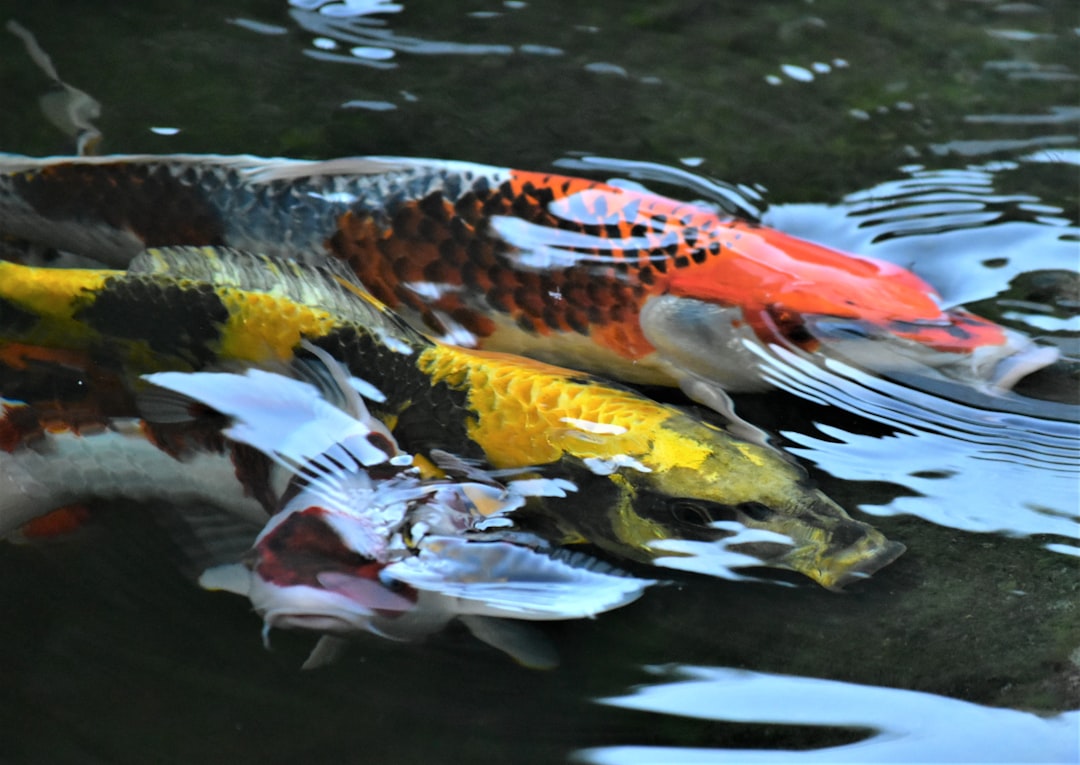
Clear, healthy pond water does not happen by accident—it is the product of a well-designed filtration system working around the clock. This pond filtration system guide complete with all three essential stages is brought to you by Gensou Aquascaping Singapore, drawing on over 20 years of building and maintaining ponds in our tropical climate. Whether you keep goldfish in a courtyard tub or champion koi in a 10,000-litre garden pond, understanding filtration is the single most important skill you can develop.
Why Filtration Matters More in Singapore
In temperate countries, ponds cool down in winter and fish metabolism slows, giving filters a seasonal break. Singapore’s year-round warmth (27–32 °C) means your fish produce ammonia constantly, algae grow relentlessly, and bacterial life cycles accelerate. A filtration system that would be adequate in London or Tokyo may be undersized here. Rule of thumb: oversize your filter by 30–50 % compared to the manufacturer’s recommended pond volume.
Stage One: Mechanical Filtration
Mechanical filtration removes suspended solids—fish waste, uneaten food and organic debris—before they decompose and pollute the water. Common methods include settlement chambers (where heavy particles sink out), brush filters, vortex separators and filter mats or sponges. For koi ponds, a gravity-fed settlement chamber connected to a bottom drain is the most effective first stage. Clean mechanical media regularly—weekly in heavily stocked ponds.
Stage Two: Biological Filtration
Biological filtration is where the real work happens. Beneficial bacteria colonise high-surface-area media—ceramic rings, Kaldnes K1, sintered glass or Japanese matting—and convert toxic ammonia into nitrite, then into relatively harmless nitrate. This nitrogen cycle must run 24/7; never switch off biological filters, even overnight. In Singapore’s warm water, bacteria populations are large and active, which is an advantage provided you give them enough media and oxygen.
Size the biological chamber to hold media equivalent to at least 10 % of the pond volume. Aerate the chamber with an air pump or venturi to keep bacteria aerobic. Never wash bio-media in chlorinated tap water—rinse in old pond water during water changes to preserve the bacterial colony.
Stage Three: UV Clarification
Ultraviolet clarifiers pass water through a chamber containing a UV-C lamp that destroys single-celled algae and waterborne pathogens. In Singapore, where sunlight fuels explosive algae growth, a UV clarifier is virtually essential for crystal-clear water. Choose a unit rated for your pond volume—typically 1 watt per 50–75 litres for koi ponds. Replace UV bulbs annually, as output diminishes even if the lamp still glows. Position the UV unit after the biological stage so it does not kill the very bacteria you are cultivating.
Pump Selection
The pond pump must circulate the entire volume at least once every two hours—more for koi ponds. A 5,000-litre pond needs a pump rated at 2,500–5,000 litres per hour, accounting for head loss from elevation and pipe length. Energy-efficient variable-speed pumps save electricity over the long run, an important consideration when your system runs 24/7 in Singapore’s climate. Budget $200–$600 for a reliable pond pump.
Gravity-Fed vs Pump-Fed Systems
Gravity-fed systems place the filter at pond level so water flows in by gravity and is pumped back to the pond after filtration. This approach is quieter, more efficient and gentler on fish waste (solids are not chopped up by the pump impeller). Pump-fed systems place the pump in the pond and push water up to the filter, which then returns by gravity. Pump-fed setups are simpler to install and suit smaller ponds, but they are less efficient for heavily stocked koi systems.
Estimated Costs in Singapore
A basic pressurised filter with built-in UV for a goldfish pond under 2,000 litres runs $200–$500. A multi-chamber gravity-fed system for a 5,000–10,000-litre koi pond costs $1,000–$3,000 including pump, UV and plumbing. Professional installation adds $300–$800 depending on complexity. These figures are typical for Singapore suppliers and online retailers on Shopee and Lazada.
Related Reading
How to Build a Garden Pond in Singapore



