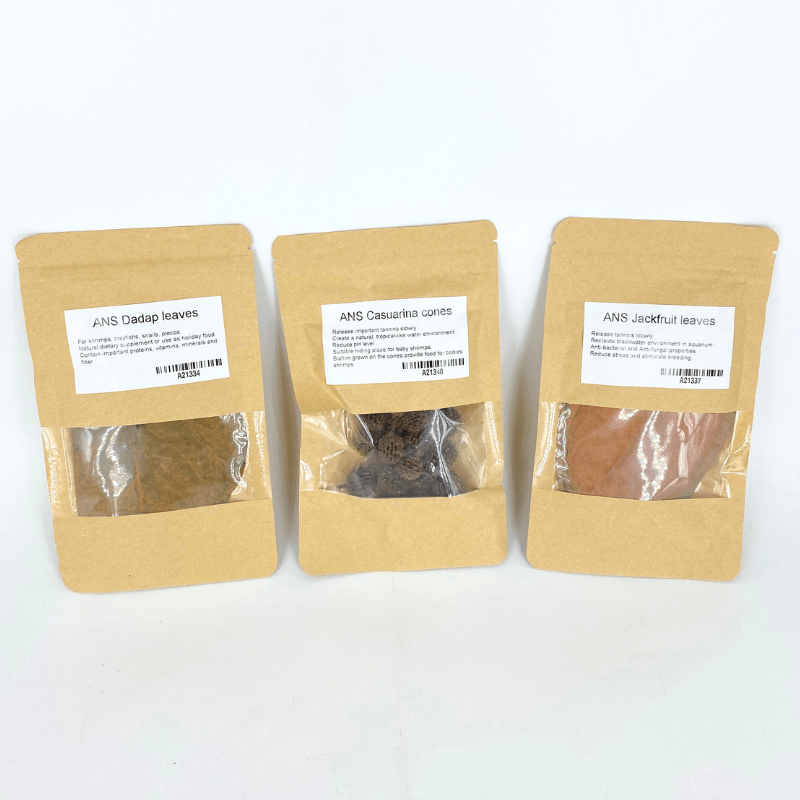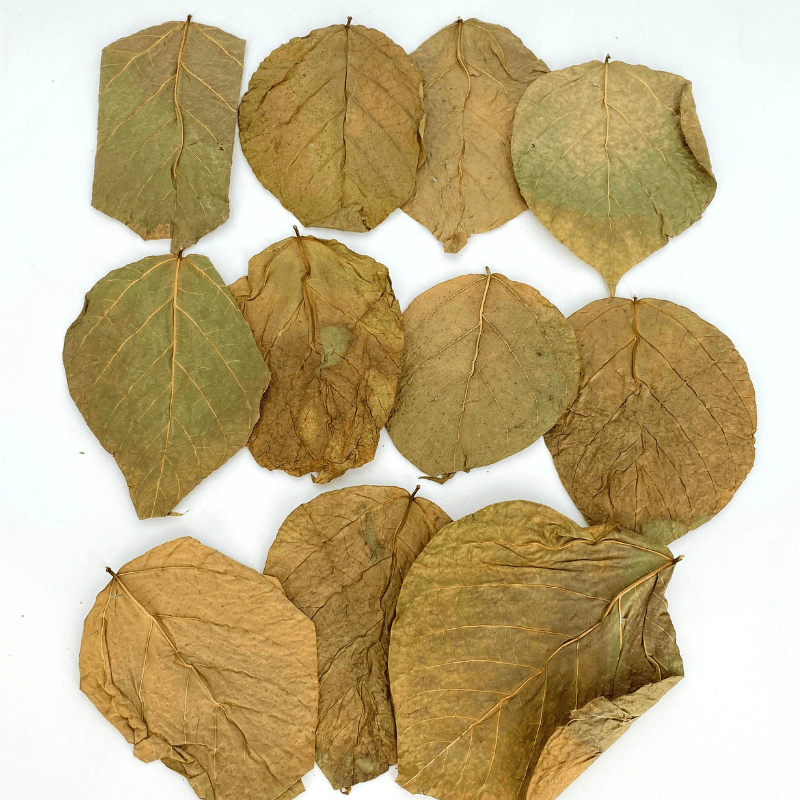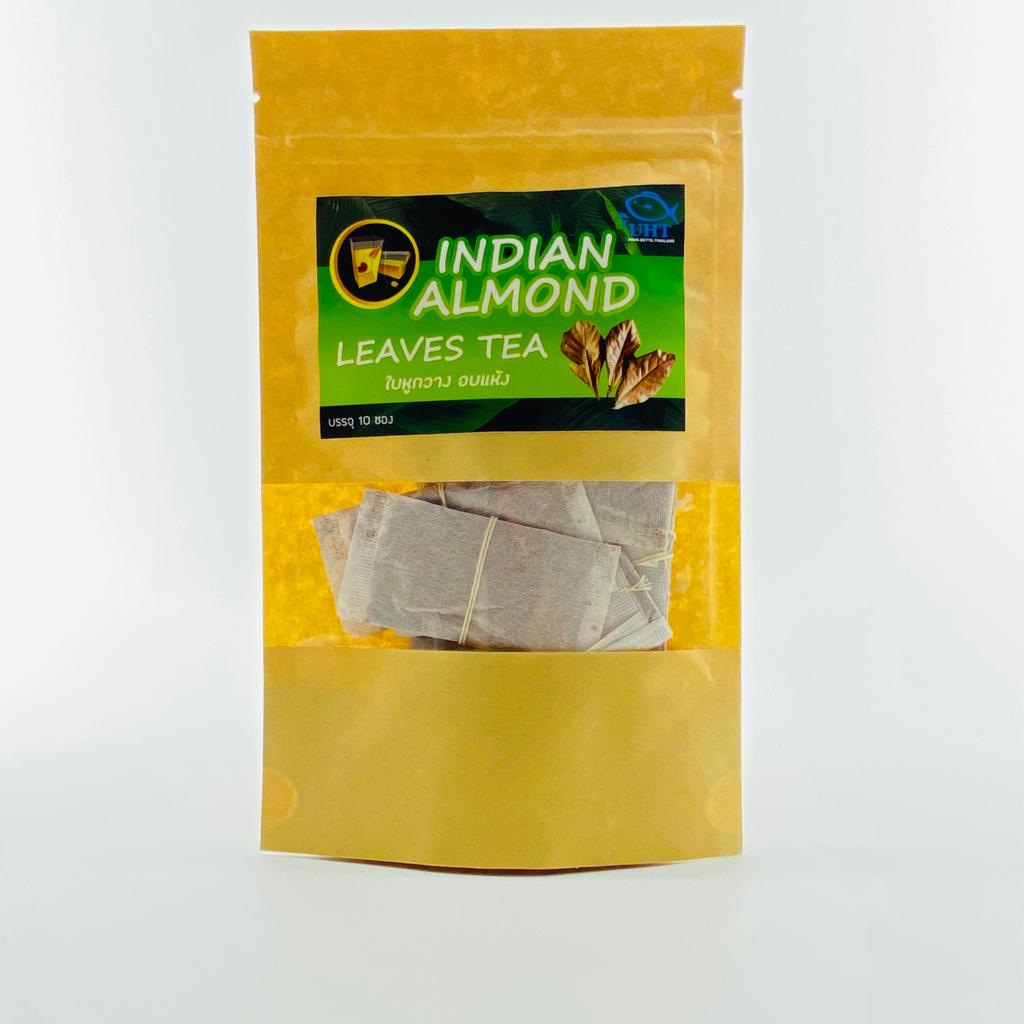
UHT Indian Almond Leaves / Terminalia Catappa Tea – 10 Bags (Tea Bags)
Description
Indian almond leaves come from the Terminalia catappa tree. The leaf of this tree is especially known for its ability to act as a natural medicine and aquarium water conditioner for betta fish and shrimp tanks when the leaf has emerged in water for extended periods of time. Indian almond leaves are said to help combat fungus and bacterial problems like fin rot and can further help prevent fish from getting stressed by mimicking the water they are naturally found in.
When placed in water, Indian almond leaves slowly start to decompose. While this happens, the leaves turn the water a yellow or brown color by releasing tannins. These tannins gradually lower the pH of the water and are said to have antifungal and antibacterial properties, which comes in handy when you have a fish suffering from fin rot or when you’re raising vulnerable fry.
A common myth about the Indian Almond Leaf is that their benefits only come from their tannins. This view has been proven to be false. Humic acids this is including tannins do offer great benefits, Tannins offer many bacterial properties and are a component in many herbs. Almost any source of tannins will benefit an aquatic environment.
Analysis of Indian Almond Leaves thus far has revealed flavanoids, isovitexin, vitexin, isoorientin, rutin and triterpenoiods. Further identified are volatile oils, quercetin, corilagin, kamferolphenols, saponin, saponin glycosides, cardiac glycoside, balsam, and squalene. T. catappa leaf tannins include punicalagin, punicalin, geranin, granatin B, tergallagin, tercatain, terflavin A and B, chebulagic acid, and corilagin.
The medicinal properties of T. catappa have been proven repeatedly in scientific studies:
Anti-inflammatory
Antiparasite properties, including the eradication of Trichodina, Gyrodactylus sp. and Dactylogyrus sp.
Antibacterial properties have been proven against many strains, both negative and positive, and T. catappa leaf extracts continue to be explored as an alternative to antibiotics for the fish industry
Scientists have reported antifungal activity against Pythium ultimum, Rhizoctonia solani, Sclerotium rolfsii, and Aspergillus fumigatus
Indian Almond Leaf extract has also been used successfully as an antifungal for Tilapia eggs
Reduction in pH
Assist in lowering stress for tank inhabitants
Creation of bio-flim and beneficial bacteria that aid in shrimp keeping / breeding
Catappa, catapah, catapang, ketapang, ketepang, katapang, humus, humin, humic acid, black water, Indian almond, tannin, tannins
Using UHT Indian Almond Leaf tea bags in betta and shrimp tanks
The tea-bag format is a tidy way to add Terminalia catappa to a tank without the leaf litter scattered across your substrate. Each bag steeps tannins into the water, gently tinting it amber and nudging the pH slightly lower, which recreates the soft blackwater conditions bettas and many shrimp came from. Singapore’s tap water is already soft and slightly acidic, so these leaves work with our water rather than against it to build a calming, natural-looking environment.
Many hobbyists like the leaves for the tannin-stained, more natural water they create, though we would frame any wellness benefits as anecdotal rather than a cure; nothing here replaces proper husbandry or veterinary care for a sick fish. Drop a bag in and let it steep, adding more over time to taste, since the tint deepens gradually. If you prefer clearer water, dose lightly or run it in a quarantine tank instead of the display.
Browse more under conditioners and medication; our tannins guide and catappa leaf guide go deeper.