
Reef Tank UV Sterilizer Beginner Guide: When and Why
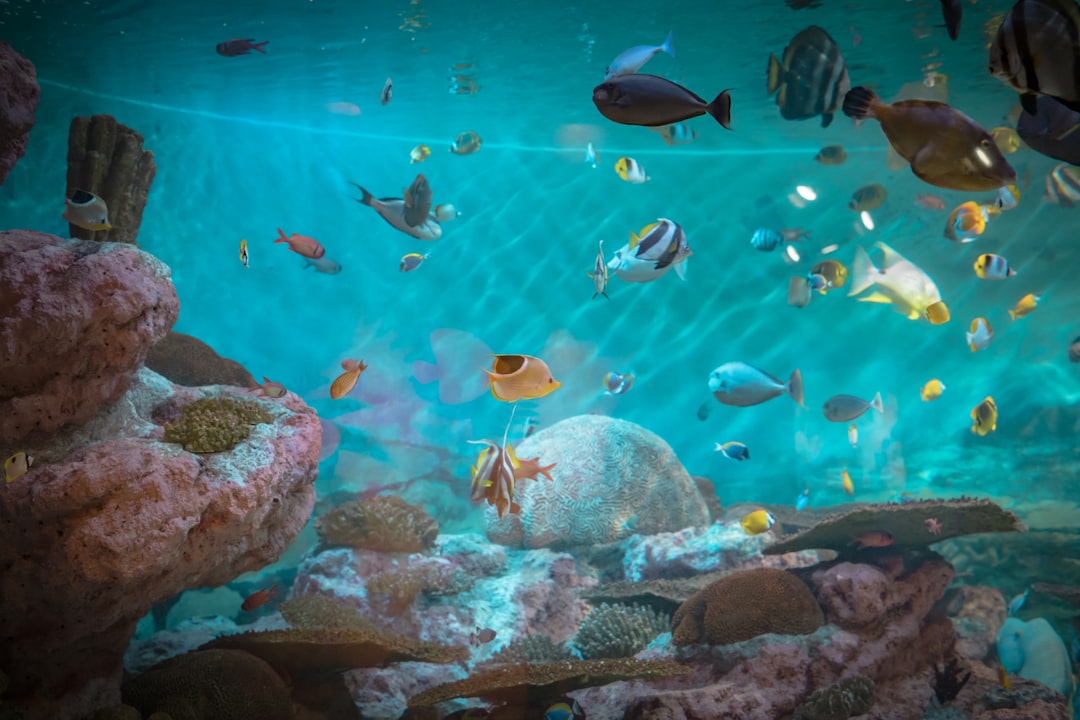
UV sterilisers get marketed as a must-have for every tank, and they are not — but on a reef dealing with persistent bacterial bloom, ich outbreak or dinoflagellates, a correctly sized UV can be the difference between recovery and a full reset. This reef tank uv sterilizer beginner guide from Gensou Aquascaping at 5 Everton Park explains what UV actually kills, how to size the unit and flow rate for real kill rates, and when spending SGD 150-400 on a sterilizer pays back versus when it is wasted money. The physics is simple; the application takes judgement. This guide sits inside our broader Saltwater Reef Tank Master Guide reference.
How UV Sterilisation Works
Ultraviolet light in the 254 nm range disrupts DNA in microorganisms as they pass through the UV chamber. Contact time and intensity determine kill rate: a 9 W bulb at 1 litre per minute flow hits bacteria, parasites and algae spores hard; the same bulb at 10 LPM barely slows them. The relationship is dose — watts multiplied by contact seconds. Get this wrong and the unit is ornamental plumbing. Get it right and water clarity improves within 48 hours.
When You Actually Need UV
Three scenarios justify UV on a reef: chronic bacterial blooms leaving water cloudy despite good skimming, ich outbreak in a display that cannot be easily quarantined, and dinoflagellate infestation resistant to blackout methods. Day-to-day reef maintenance does not need UV — a well-run skimmer, refugium and proper husbandry handle normal microbial loads. Running UV continuously on a stable reef is harmless but adds SGD 80-150 yearly to electricity and bulb replacement.
Sizing Watts to Tank Volume
For clarity-grade UV (killing algae spores and bacteria), target 1 W per 20 litres. A 200 litre reef needs a 10 W unit. For pathogen-grade UV (ich, marine velvet, bacterial parasites), double it to 1 W per 10 litres — the 200 litre tank wants 20 W. Beginner mistake: buying a tiny 5 W clip-on unit for a 300 litre reef and expecting ich control. At those ratios the dose is simply too low.
Flow Rate Is Critical
Every UV manufacturer specifies two flow ratings: clarity (fast) and parasite (slow). Running the unit at clarity flow when you need parasite kill means the contact time is half what is required. For a typical 18-25 W hobby UV, parasite flow sits at 200-400 LPH — dramatically slower than your return pump. Plumb the UV off a dedicated Jebao DCP-2500 (SGD 95) so you can tune flow independently rather than cramming it into the return line.
Coralife and Aqua Medic Units
Coralife Turbo Twist 9 W (SGD 180) suits nanos up to 150 litres for clarity duty. Aqua Medic Helix Max 2.0 18 W (SGD 280) covers mid-size mixed reefs for clarity and light parasite work. For serious pathogen control on 300-500 litre reefs, step up to the Pentair Emperor Aquatics Smart UV 25 W (SGD 420) or similar — larger quartz sleeve, longer dwell zone, better kill across higher flow rates.
Installation in a Sump System
Install UV units horizontally with water inlet at the bottom and outlet at the top — trapped air bubbles against the quartz sleeve reduce dwell time and damage the lamp. Power the UV on a dedicated timer so you can cycle it off during feeding if needed (some reefers run UV 12 hours on, 12 off to preserve pod populations in the water column). Wire in a safety cut-off that drops UV power if the feed pump fails; running UV dry cooks the bulb.
Bulb Life and Replacement
UV bulbs dim significantly after 6,000 hours even while still lighting. A lamp glowing purple on month 14 is producing maybe 40% of rated 254 nm output. Replace annually on a set calendar date, not when the bulb dies visibly. Replacement bulbs from C328 Clementi run SGD 45-80 depending on wattage. Quartz sleeves cloud with calcium scale in SG reef conditions — wipe every 3 months with a vinegar-soaked cloth during water change.
What UV Does Not Do
UV does not kill parasites attached to fish or substrate — only free-swimming stages crossing the chamber. Ich tomonts on the sand bed survive. UV does not remove nitrate, phosphate or heavy metals. It does not replace water changes, skimming or refugium export. Beginner reefers sometimes add UV hoping it solves algae problems rooted in high nutrients; the algae cells die in the chamber, but the nutrients feeding them remain. Fix the root cause first.
SG-Specific Use Cases
In Singapore’s warm year-round climate, bacterial blooms hit new dry-rock builds during the uglies phase between weeks 4 and 12 — UV shortens that window meaningfully. Quarantine tank UV is standard practice before adding new livestock from LFS: a dedicated 9 W unit on a 40 litre QT catches velvet and brooklynella before they enter the display. Chiller condensation can drip on UV housings in humid HDB kitchens — mount the unit 20 cm away from the chiller outlet.
Cost Benefit for a Beginner Reef
For a first-year 200 litre reef building to a mixed-reef stocking plan, a 18 W UV unit at SGD 280 plus SGD 45 yearly bulb is insurance against the single most common beginner catastrophe — velvet wiping out the stock in 72 hours. The unit does nothing on a healthy tank, but the first outbreak justifies the spend tenfold. For softie-only or FOWLR tanks with cautious QT protocols, UV is skippable. For mixed reefs with frequent livestock additions, it earns its place.
Related Reading



