Reef Tank vs Fish-Only Marine Aquarium: Which Should You Choose?
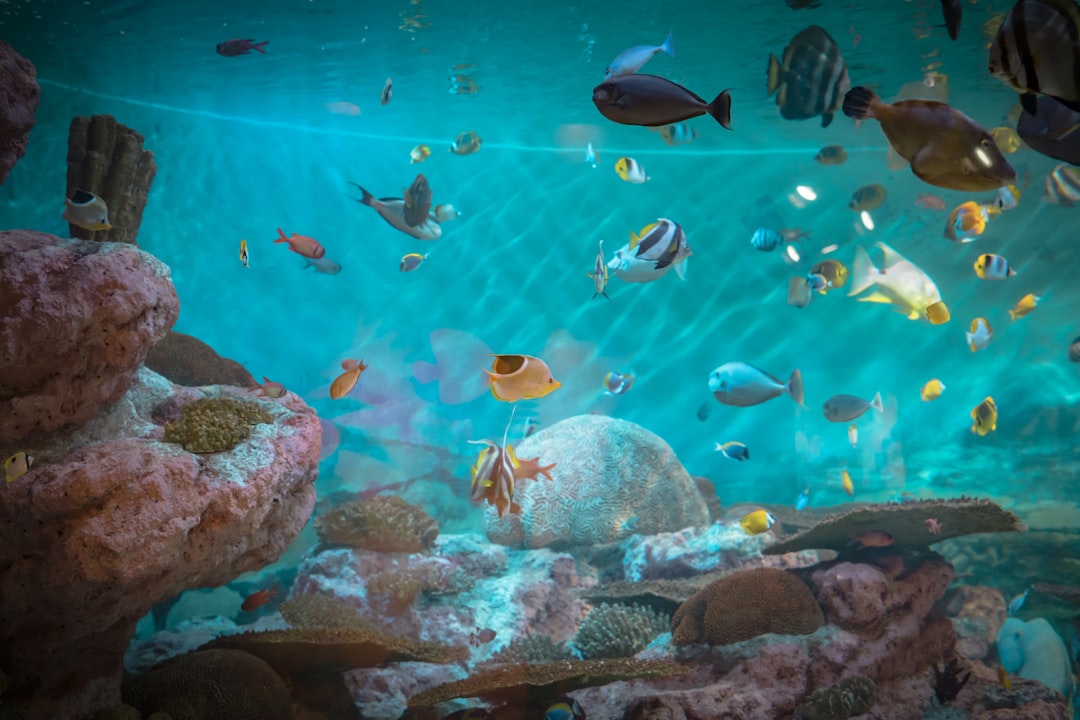
Deciding between a reef tank vs fish only marine aquarium shapes every purchase you make — from lighting and filtration to the livestock you can keep. Both paths lead to stunning saltwater displays, but they differ dramatically in cost, complexity and daily commitment. At Gensou Aquascaping Singapore, we help hobbyists make this choice regularly, and the honest answer depends on your budget, available time and what excites you most about the ocean.
What Defines Each System
A fish-only (FO) or fish-only-with-live-rock (FOWLR) tank houses marine fish and decorative rock but no photosynthetic corals. Lighting can be basic, and water parameters need to be stable but not razor-precise. A reef tank, by contrast, keeps living corals — soft corals, LPS, SPS or a mix — alongside fish and invertebrates. Corals demand specific light spectrums, very low nitrate and phosphate levels, and consistent alkalinity, calcium and magnesium dosing.
Cost Comparison in Singapore
A 90-litre FOWLR setup can be assembled for around $600 to $900, covering a basic tank, hang-on-back filter, heater, powerhead and standard LED. The same size reef tank pushes $1,200 to $2,000 once you factor in a quality reef LED ($250-$500), protein skimmer ($150-$300) and test kits for alkalinity, calcium and magnesium. Coral livestock adds further cost — even beginner-friendly zoanthid frags start around $15 to $30 per frag at local marine shops along Serangoon North Avenue 1.
Monthly running costs diverge too. Reef keepers spend on salt mix, two-part dosing solutions, replacement filter media and occasional coral dips. Fish-only systems need salt and basic water conditioners, keeping monthly expenses noticeably lower.
Difficulty and Learning Curve
Fish-only tanks are more forgiving. A temporary ammonia spike or a slightly elevated nitrate reading is less likely to cause immediate visible harm compared with the rapid tissue recession you might see in SPS corals under the same conditions. For first-time marine hobbyists, FOWLR provides a gentler introduction to saltwater chemistry, and you can always upgrade to reef later by adding better lighting and a skimmer.
Livestock Options
FOWLR tanks allow you to keep larger, more aggressive species — triggers, puffers, lionfish — that would eat corals or invertebrates in a reef. Reef tanks, however, open up the world of coral colour, invertebrate behaviour and symbiotic relationships that many hobbyists find endlessly fascinating. Clownfish hosting in an anemone or a cleaner shrimp setting up a cleaning station are experiences unique to reef systems.
Space and Equipment
Both systems fit comfortably in a Singapore HDB flat, though reef tanks often benefit from a sump — an additional compartment beneath the display tank that houses equipment and increases total water volume. A sump adds to the footprint, so measure your cabinet space carefully. Fish-only setups can run effectively on canister filters or large hang-on-back units without a sump, simplifying the plumbing.
Which Should You Choose
Start with what genuinely excites you. If colourful fish and dramatic rockwork are enough to hold your interest, a FOWLR tank delivers that with less financial and time commitment. If the idea of growing living coral and creating a miniature reef ecosystem thrills you, invest in proper reef equipment from the outset rather than buying cheap and upgrading piecemeal — that path costs more in the long run. Either way, cycle the tank fully and stock slowly.
Related Reading