
Reef vs Freshwater Decision Skill Guide: When to Switch
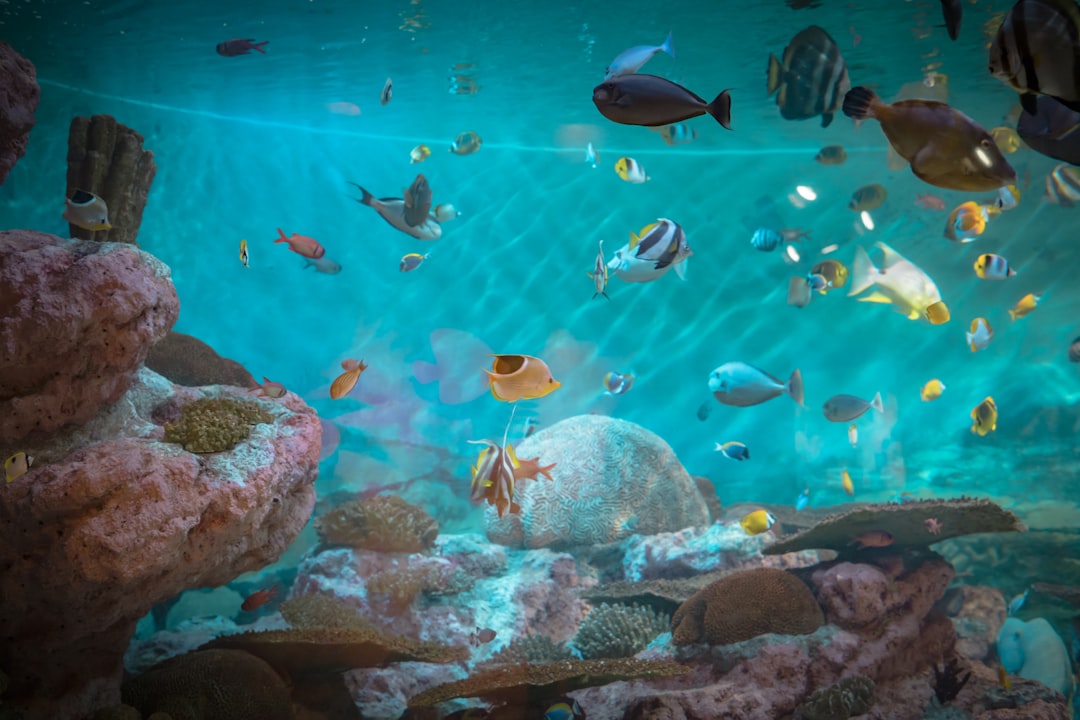
Plenty of seasoned planted-tank keepers stand in front of a reef display and assume their freshwater experience translates directly. It does not — at least not as cleanly as expected. The reef vs freshwater decision is less about difficulty in absolute terms and more about which skills carry across, which must be relearned, and whether the lifestyle the new system demands fits your week. This guide from Gensou Aquascaping at 5 Everton Park lays out the honest crossover for Singapore aquarists weighing the switch.
Skills That Transfer Cleanly
Cycling biology, water-change discipline, livestock quarantine instincts, equipment troubleshooting, photography and patience all carry directly. A planted tank veteran already understands testing cadence, gear maintenance and the cost discipline of a long-running system. Roughly 60 per cent of the muscle memory transfers, which is why ex-planted reefers tend to outperform first-time saltwater keepers in their first year.
Skills That Must Be Relearned
Salinity management, alkalinity-calcium-magnesium balance, RODI water production and skimmer chemistry have no freshwater equivalent. Coral lighting differs from plant lighting in spectrum priority — corals want the 420-460 nm blue range, plants want 660 nm red. Flow patterns matter for coral health rather than CO2 distribution. Stocking ratios are roughly half what freshwater allows because protein waste in saltwater binds differently.
Cost Step-Up
A 200-litre planted tank with CO2, dual canister filter and quality LED runs SGD 1,800-2,500 in Singapore. The same display volume converted to a reef costs SGD 4,000-6,500. The doubling reflects RODI gear, reef lighting, protein skimmer, dosing system and salt running costs. Monthly running costs jump from SGD 30-50 freshwater to SGD 120-180 reef. Browse the gap directly in the aquarium equipment range.
Time Investment Reality
A mature planted tank takes 30-45 minutes weekly. A mature reef takes 90-120 minutes weekly, plus daily five-minute checks for skimmer cup, ATO reservoir and dosing fluid levels. Holiday absences over five days require automated dosing, ATO and a feeder — none of which a planted tank strictly needs. The lifestyle change is real and worth weighing before purchase.
What Hooks Freshwater Keepers Toward Reef
Coral colour and movement at the level you see in mature reefs — a torch coral pulsing under blue light, a clownfish bonded to an anemone, an acropora colony tipped electric blue — has no freshwater equivalent. Planted tanks deliver natural beauty; reefs deliver alien beauty. If your freshwater enthusiasm has plateaued and YouTube videos of reef tanks keep autoplaying, the answer is already obvious.
What Pulls Reefers Back to Freshwater
The opposite migration is real and valid. Freshwater forgives missed dosing, unstable schedules and equipment failures in ways reef does not. Apistos, plecos, planted scapes and shrimp colonies offer their own depth. Many Singapore reefers run both — a 60-litre nano reef plus a 250-litre planted display — to access the strengths of each. The two hobbies are complementary rather than competitive.
Equipment Reuse Audit
Heaters, return pumps, magnet cleaners, refractometers and acclimation gear move across both systems. Canister filters, planted-spectrum lights and CO2 gear do not. RODI, skimmer, salt mix, reef LEDs and dosing pumps must be bought new. Stock new gear in advance through the water care range to avoid downtime during transition.
Hybrid Path: Soft Coral Brackish Stage
Some keepers run a brief brackish or low-end FOWLR stage before committing to mixed reef. Six to nine months of FOWLR builds salinity, RODI and water-change muscle memory without the chemistry burden of coral. Many Singapore hobbyists find this stage so satisfying they delay reef conversion indefinitely — proof that the destination need not always be SPS.
Decision Trigger Checklist
Switch to reef when you are testing freshwater parameters from boredom rather than need, when your planted scape has been static for over six months, when your travel pattern allows daily presence, and when budget allows the SGD 4,000+ entry without strain. Hold on freshwater if any of those four conditions fails. The reef is not running away.
Related Reading



