
At a glance
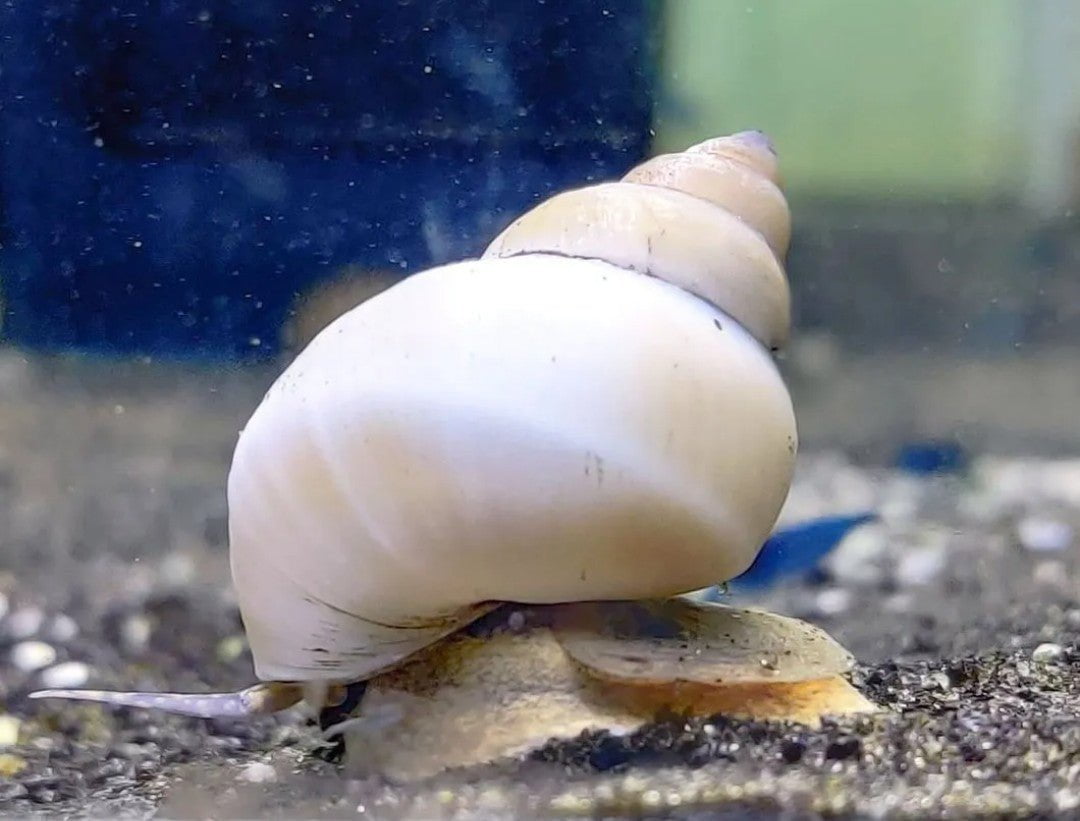
Species profile Filopaludina sp.
Origin
Southeast Asia
Family
Viviparidae
Adult size
Up to 4 cm (1.6 in)
Diet
Detritus, algae, biofilm, leftover food and blanched vegetables (Omnivore)
Temperament
Peaceful
Swimming level
Bottom
Minimum group
1+ (shoaling)
Lifespan
1-3 years
Minimum tank
40 L (10 gal)
Water type
Freshwater
Size to scale
4 cm adult length, shown to scale against an iPhone 15 Pro (14.66 cm).
Natural range
Where it comes from — Southeast Asia
Southeast Asia
Water
Singapore tap water vs its needs
Hardness: Medium to hard (6-15 dGH).
In the aquarium
How it lives in the tank
Swims in the bottom of the tank
Sensitivity Index — Hardy
Hardy and beginner-friendly; keep up routine water changes and it will thrive.
Our own read on how forgiving this species is of water changes — not a formal standard.
Keeping & care
What this fish needs
Family
About the Viviparidae family
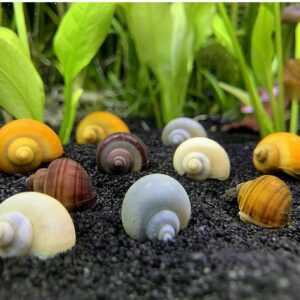
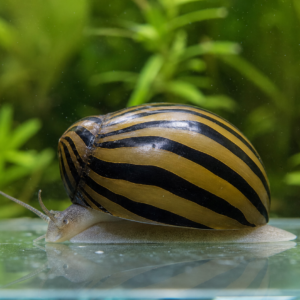
Viviparidae, the "river snails," are gill-breathing freshwater snails with a coiled, usually olive-to-brown conical shell and a hard operculum (trapdoor) that seals the aperture. Native to lakes, ponds, and slow rivers across Asia, Europe, Africa, and North America, they are peaceful, slow-moving detritivores. In the hobby the best-known member is the Japanese/Chinese "trapdoor" or mystery snail (Cipangopaludina / Bellamya), a hardy, cool-tolerant algae- and detritus-grazer that is undemanding beyond stable, copper-free water and adequate calcium for shell health.
Keep in stable, well-aerated water with enough hardness/calcium for shell integrity and no copper-based medications; they are gentle grazers safe with plants, shrimp, and community fish and appreciate cooler, unheated planted tanks.
Breeding
Livebearer (ovoviviparous)Viviparids have separate sexes and are ovoviviparous: the female retains the fertilised eggs internally and releases small numbers of fully formed, shell-on juveniles rather than laying egg clutches, so no gelatinous egg masses appear on the glass. In a stable aquarium with a mixed group, trapdoor snails will occasionally produce young on their own without special triggers, dropping one to a few crawling babies at a time over months. The juveniles are self-sufficient and graze biofilm and detritus like the adults, needing no separate rearing.
Feeding
Recommended food
Compatibility
Best tankmates


Community