
Tailspot Blenny Care Guide: Ecsenius Stigmatura for Nano Reef Tanks
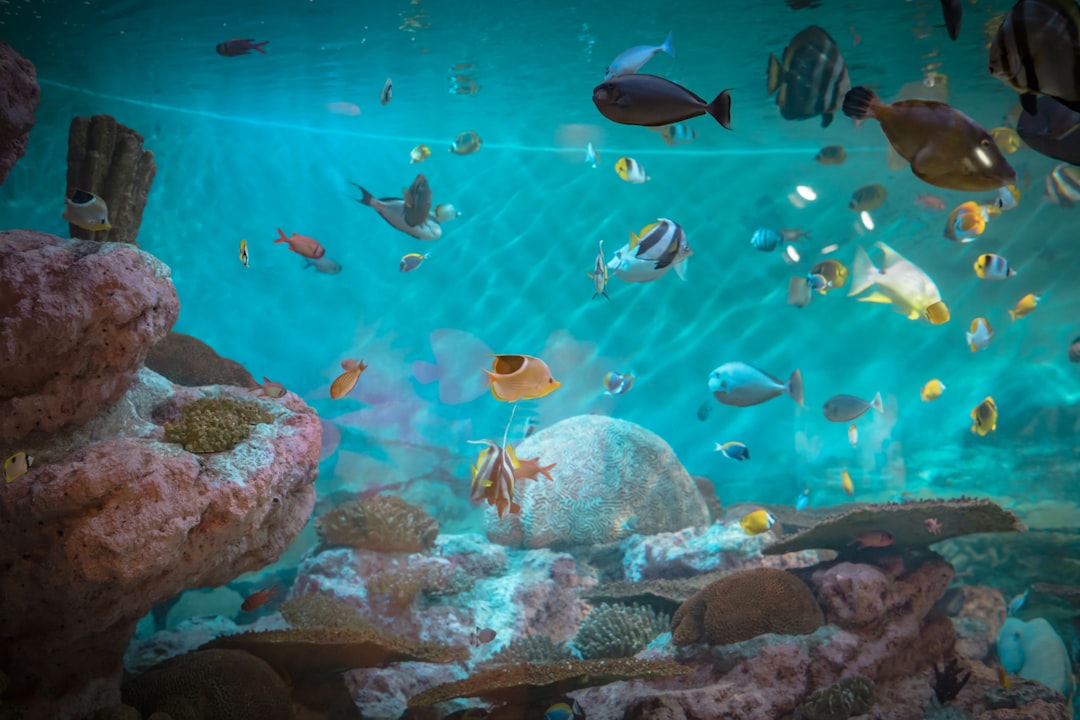
Few nano reef fish combine personality and practicality quite like Ecsenius stigmatura, the tailspot blenny. This compact perching fish rarely exceeds 6 cm, yet it delivers outsized character with its comical expressions and constant grazing behaviour. If you are planning a nano reef in Singapore’s warm climate, this tailspot blenny care guide from Gensou Aquascaping at 5 Everton Park, Singapore covers everything you need to keep one thriving.
Species Overview and Origin
The tailspot blenny belongs to the family Blenniidae and hails from shallow coral rubble zones across the Western Pacific, including the Philippines, Indonesia and Micronesia. Its common name comes from the distinctive dark spot ringed in orange at the base of the caudal fin. Males develop slightly more intense colouration during courtship, though both sexes share the characteristic elongated body and blunt head profile typical of combtooth blennies.
Tank Size and Aquascaping
A single tailspot blenny does well in tanks as small as 40 litres, making it one of the few marine fish genuinely suited to nano setups. Provide plenty of live rock with small holes and crevices for perching. These blennies spend most of their time resting on rock surfaces, darting between favourite spots to graze microalgae. In larger systems of 150 litres or more, you can sometimes keep a pair, but introduce them simultaneously to reduce territorial disputes.
Water Parameters and Temperature
Singapore’s ambient temperature of 28-32 degrees C sits comfortably within the tailspot blenny’s preferred range of 24-28 degrees C, though the upper end means a small fan or chiller may be worthwhile during peak heat. Maintain salinity at 1.024-1.026 specific gravity, pH between 8.1 and 8.4, and keep ammonia and nitrite at zero. Nitrate below 20 ppm is ideal, though these hardy fish tolerate slightly elevated levels better than many reef inhabitants.
Feeding and Diet
Tailspot blennies are herbivorous grazers that spend hours picking at biofilm and filamentous algae on rockwork. Supplement this natural grazing with high-quality marine pellets, spirulina flakes and occasional nori sheets clipped to the glass. Frozen mysis and brine shrimp are accepted but should not form the bulk of the diet. Feed small portions twice daily rather than one large feeding to mimic their natural constant-grazing pattern.
Reef Compatibility
This species is considered reef-safe and will not nip at coral tissue or clam mantles. It coexists peacefully with most invertebrates, including ornamental shrimp and snails. One caution worth noting: tailspot blennies occasionally perch directly on coral colonies, which can irritate sensitive LPS polyps. Providing ample alternative perching spots on bare rock minimises this behaviour.
Temperament and Tank Mates
Generally peaceful, the tailspot blenny can show aggression toward other blennies and similarly shaped bottom-dwellers. Avoid housing it with bicolor blennies, lawnmower blennies or other Ecsenius species in small tanks. Good companions include clownfish, firefish, small wrasses and gobies. Dwarf angelfish and dottybacks work in larger systems where territories are well defined. Keep only one tailspot blenny per tank unless the volume exceeds 150 litres and rockwork creates distinct zones.
Common Health Issues
Tailspot blennies are robust once acclimated but can be susceptible to marine ich (Cryptocaryon irritans) during the initial quarantine period. A 14-21 day quarantine in a separate tank with copper-based treatment is strongly recommended before introduction to your display. In Singapore, specimens typically arrive via short shipping routes from Indonesia, which reduces transit stress compared to fish sourced from more distant origins. Expect to pay $15-$25 SGD at local marine fish shops around the Serangoon North area.
Breeding in Captivity
Captive breeding of tailspot blennies is uncommon but not impossible. Males prepare a small cave or crevice and court females with colour displays and body undulations. Eggs are deposited on the cave ceiling and guarded by the male for roughly seven days until hatching. Raising the tiny larvae requires rotifers and phytoplankton cultures, making it a project better suited to dedicated breeders than casual hobbyists. Still, observing the courtship behaviour alone makes keeping a compatible pair rewarding.
Related Reading



