
TCM Clinic Aquarium Design with Feng Shui Principles
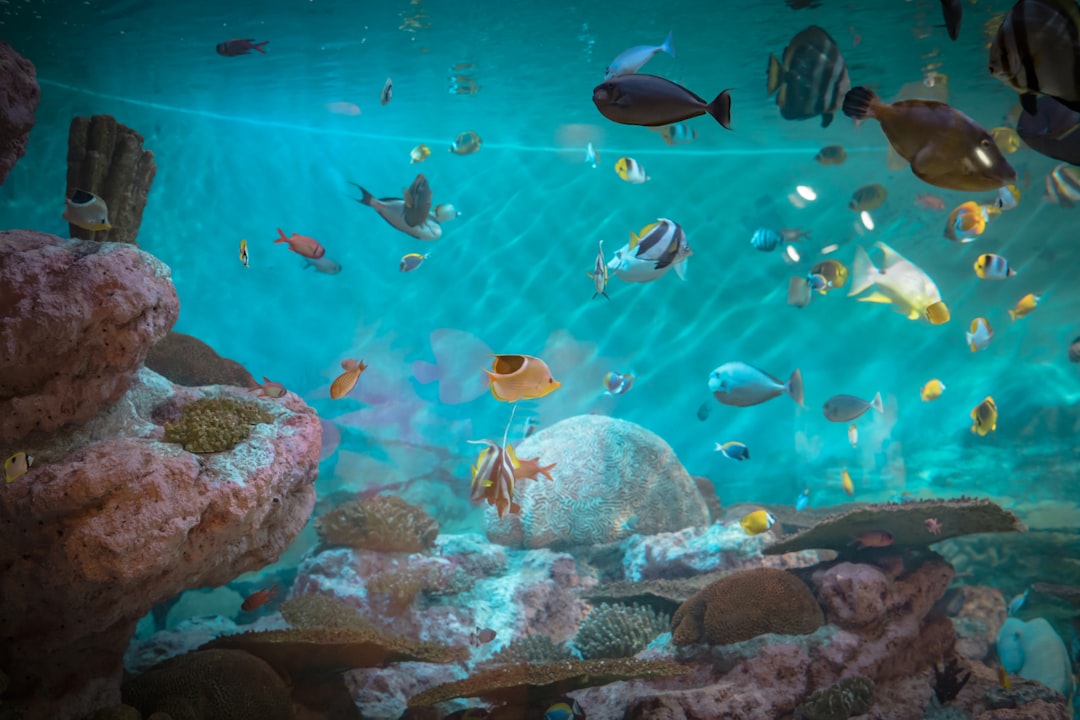
Traditional Chinese Medicine clinics in Singapore treat the waiting room as part of the therapy, and a well-placed tank fits that philosophy more naturally than in almost any other commercial setting. TCM clinic aquarium design feng shui work combines practical welfare standards — MOH registration considerations, slab loading, filtration reliability — with compass-school siting, water-element balance, and fish numerology that practitioners and patients notice. This guide from Gensou Aquascaping at 5 Everton Park is written for TCM physicians, clinic operators, and the interior designers briefing them.
Quick Facts
- Common sizes: 150-500 litres, scaled to waiting room footprint
- Installed SGD cost: $6,500-$24,000 complete
- Auspicious fish counts: 1, 6, 8, or 9 showpiece fish (plus schoolers)
- Classical placement: wealth corner (southeast) or facing-door (ming tang)
- Avoid: placing tank in south (fire conflict) or directly under beams
- Floor loading: 400 L tank ≈ 900 kg — check slab before order
- Monthly maintenance: $350-$700 SGD
Feng Shui Principles That Actually Shape the Design
Compass-school feng shui treats moving water as an activator of qi, which makes an aquarium more potent than a still vase. In a TCM clinic, classical siting places the tank in the southeast (wealth) or north (career) sector of the bagua, measured from the front entrance. Avoid the south sector — water extinguishing fire creates conflict in a room where patients seek balance. Never position directly under a structural beam (sha qi pressure) or opposite a toilet door. The tank should face into the room, not against the entrance — water flowing away from the door symbolises wealth leaving.
Fish Count and Colour Symbolism
TCM patients, particularly older Chinese clients, read fish counts. Eight auspicious fish plus one black fish (to absorb misfortune) is the classic configuration. Goldfish, arowana, and flowerhorn carry specific meanings but require large volumes and temperament most TCM waiting rooms cannot accommodate. A practical middle path: one red and white koi-patterned Xiphophorus variant or a pair of pearl gouramis as visible showpieces, a school of 30 rummy-nose tetras for movement, and a single black molly to complete the count. Avoid overly pale or transparent species — they lack chromatic presence.
Placement Within the Clinic Floor Plan
Ming tang — the bright hall facing the entrance — is where patients decompress before consultation. Situate the tank 2-3 m inside the entrance at a 45-degree angle rather than dead-on, so qi flows through the space without being blocked or deflected. The water surface sits at 110-120 cm floor-to-waterline. Keep 1.5 m clear between the tank and the physician’s consultation door so conversation remains confidential. Acupuncture bays and herbal dispensing counters stay physically separated — MOH expects the same clinical asepsis applied in Western clinics.
Structural and MOH Considerations
TCM clinics registered with MOH’s Traditional and Complementary Medicine Branch fall under clinic licensing expectations for hygiene separation, though TCM practice itself does not mandate aquarium rules. A 400 litre display loads the slab at roughly 900 kg — get PE endorsement on strata units. Herbal preparation surfaces and acupuncture needle trays must not be within splash range of the tank. Keep the drain route to a dedicated floor trap rather than the herbal wash sink.
Lighting That Respects the Clinic Atmosphere
TCM waiting rooms run warmer and dimmer than Western clinics — typically 300-500 lux with 3000-4000 K colour temperature. Tank lighting should complement rather than overpower. Specify dimmable LED (Twinstar, Chihiros) at 40-60 PAR with warm neutral spectrum rather than cool marine blue. Photoperiod aligns with clinic hours. In a clinic operating 9 AM to 8 PM, a 10-hour photoperiod with 30-minute ramp profiles reads natural.
Livestock Welfare Alongside Symbolism
Feng shui intent does not override welfare. Arowanas, often requested as wealth fish, need 800-1200 litres minimum and aggressive filtration — most clinic waiting rooms cannot house one responsibly. Suggest clients a 150-180 cm planted community tank with larger schooling species as a dignified compromise. If a client insists on a dragon fish, upgrade the spec (1200 L, sump, chiller) and quote accordingly — do not shoehorn welfare into aesthetics.
SGD Pricing Tiers
A 200 litre planted tank with cabinet, filtration, lighting, and livestock lands at $6,500-$9,500 SGD installed. A 300-400 litre mid-tier with aquasoil, imported hardscape, and a formal feng shui placement consultation runs $12,000-$18,000. Flagship 500 litre installations with premium livestock and one-year maintenance included reach $20,000-$24,000. Large arowana-suitable systems at 1000+ litres shift the quote to $35,000+ and belong in a clinic entry lobby, not a small waiting room.
Ongoing Care and Practitioner Involvement
Most TCM physicians enjoy being involved in the tank’s symbolism but not its maintenance. A fortnightly professional service at $350-$700 SGD monthly handles water changes, filter cleaning, and livestock health. Staff feed once daily at a consistent time — regular feeding schedules also support the stable qi narrative patients appreciate. Log every parameter check; fish loss in a feng shui context needs to be explained, not hidden, and the replacement should match the original in count and colour.
Related Reading
Aquarium Feng Shui Placement Guide
Fish Tank Feng Shui Guide
Aquarium for Acupuncture Clinic Singapore
Aquarium for Waiting Room Singapore
Aquarium Maintenance Cost Singapore



