
Top 10 Dwarf Cichlid Species Roundup: Apistogramma to Ram
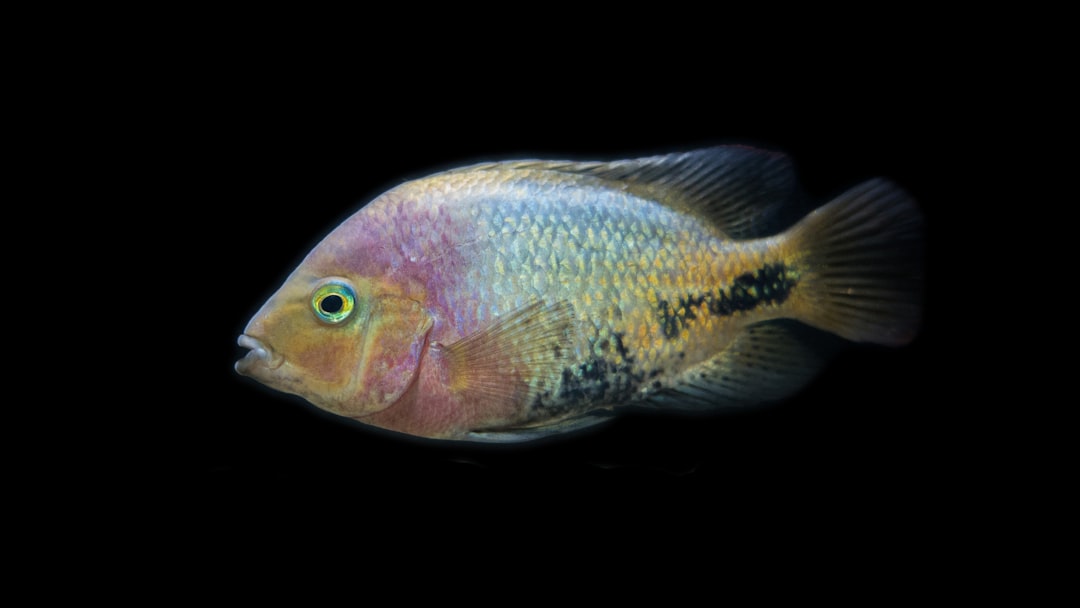
Dwarf cichlids occupy an awkward niche — too colourful to ignore, too territorial for naive community stocking. The top 10 dwarf cichlid species ranked here balance display impact against compatibility, weighted toward species that breed reliably in PUB tap. This roundup from Gensou Aquascaping at 5 Everton Park covers South American Apistogramma, the West African kribensis, and lateral inclusions like the peacock gudgeon that hobbyists treat as honorary cichlids. Each top 10 dwarf cichlid species entry covers tank size, water chemistry and how to spot a healthy import versus a stressed shop fish. Dwarf cichlids universally benefit from cave structures or upturned coconut huts as breeding territories, and most species pair-bond rather than tolerate group stocking of conspecifics. Soft acidic blackwater conditions trigger the most intense breeding colours across both South American Apistogramma and lateral picks like the peacock gudgeon.
1. German Blue Ram (Mikrogeophagus ramirezi)
The benchmark — electric-blue body with a black spot and red iris. Adults stay 5cm but need warm 27-30°C water and pristine ammonia-free conditions. Pair-bonded for life. Iwarna lists captive-bred German blues at SGD 8-18; show-grade adults push SGD 30. Stock from the freshwater fish range sourced as juveniles transitions better than imported adults.
2. Bolivian Ram (Mikrogeophagus altispinosus)
The hardier ram — yellow body, longer dorsal extensions, tolerates cooler 23-26°C water and harder parameters. Adults reach 8cm. Petopia and C328 stock Bolivians at SGD 12-20. The forgiving species for beginners stepping up from community fish to cichlids.
3. Electric Blue Ram (Mikrogeophagus ramirezi selectively bred)
The solid-blue colour morph with reduced black markings. Adults stay 5cm. Genetic line less robust than wild-type — expect a 30% loss rate during the first month. Iwarna lists electric blues at SGD 12-25. Insist on captive-bred Singapore-acclimated stock; Indonesian imports often arrive pre-stressed.
4. Apistogramma Cacatuoides (Apistogramma cacatuoides)
The cockatoo cichlid — males grow extended dorsal spines like a feathered crest. Triple Red and Orange Flash strains dominate the local market. Adults reach 8cm; harem of one male to three females. Carousell breeders list cacatuoides trios at SGD 35-60. Rocky cave structures are mandatory breeding triggers.
5. Apistogramma Agassizii (Apistogramma agassizii)
The lance-tailed agassizii from Brazilian blackwater. Fire Red, Tefe Blue and Double Red lines from European breeders. Adults stay 7cm. Soft acidic water under pH 6.5 essential. Specialist imports run SGD 40-80 per pair. Use ANS Catappa Leaves Small to drop pH naturally and trigger spawning.
6. Apistogramma Borellii (Apistogramma borellii)
The umbrella cichlid — yellow body, blue facial flash, more peaceful than other Apistos. Tolerates harder water and cooler 22-25°C. Adults reach 6cm. Iwarna lists borellii at SGD 25-40 per pair. The dwarf cichlid for community tanks where stricter Apistos cause trouble.
7. Apistogramma Baenschi (Apistogramma baenschi)
The Inka 50 — vivid red dorsal and lyre-tail extensions. Adults reach 7cm. Specialist imports from European breeders reach SGD 60-100 per pair. Demanding water chemistry: pH 5.5-6.5, soft as PUB tap delivers without modification.
8. Kribensis (Pelvicachromis pulcher)
West African dwarf with magenta belly that pulses crimson during breeding. Adults reach 8cm. Pair-bonded, breeds in upturned coconut huts or caves from the decoration range. C328 stocks captive-bred krib pairs at SGD 15-25. The hardiest dwarf cichlid on this list — tolerates pH 6.5-8.0.
9. Peacock Gudgeon (Tateurndina ocellicauda)
Not a cichlid technically but treated as one. Pastel-blue body with bright red horizontal stripe. Adults stay 7cm. Iwarna lists captive-bred peacock gudgeons at SGD 15-25. Cool-leaning at 22-26°C; pair with shrimp-friendly tankmates because gudgeons ignore even cherry adults.
10. Checkerboard Cichlid (Dicrossus filamentosus)
Lyre-tailed Amazon dwarf with a black-and-white checkerboard pattern along the flank. Adults reach 8cm. Demanding pH 4.5-6.5 blackwater specialist. Specialist Carousell imports list filamentosus at SGD 50-80 per pair. The connoisseur’s pick once Apistos feel routine. Pair with a QANVEE Bio Sponge Filter for gentle flow.
Related Reading



