
Types of Aquarium Plants With Pictures: Stem, Rosette and Carpet
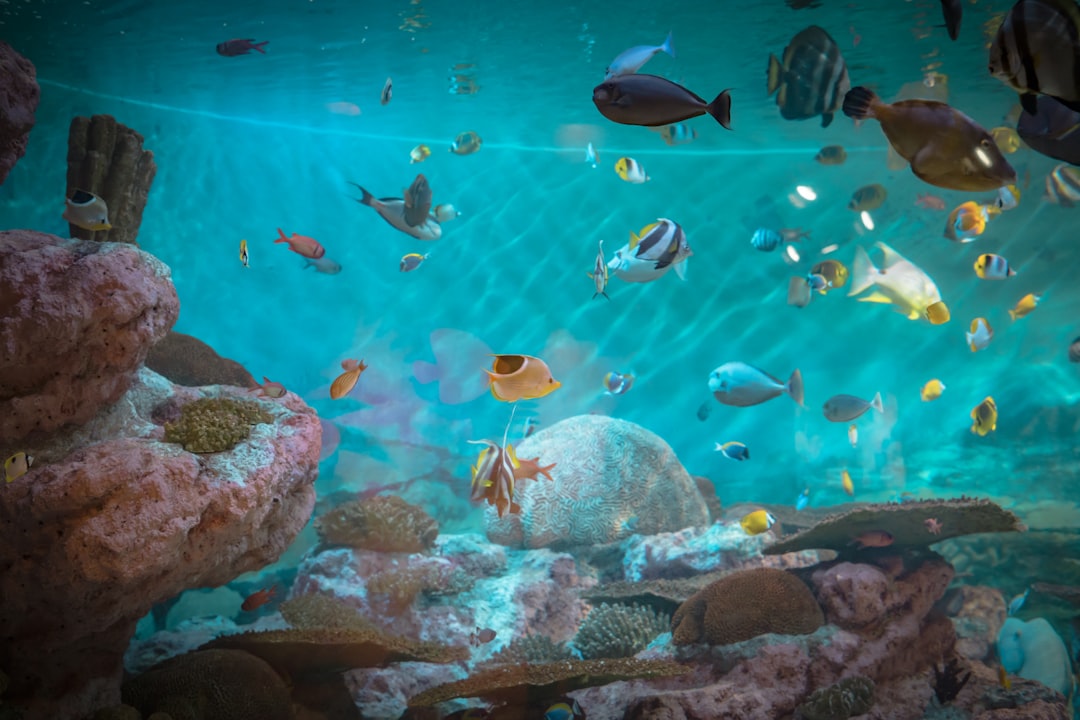
Walk into any planted aquarium showroom and you will notice a dizzying range of shapes, textures and growth habits — yet most aquatic plants fall into a handful of practical categories. This types aquarium plants pictures guide from Gensou Aquascaping Singapore, drawing on over 20 years of hands-on experience at 5 Everton Park, breaks every major group down so you can plan your layout with confidence. Understanding plant architecture is the first step toward a balanced, healthy aquascape.
Stem Plants: The Vertical Workhorses
Stem plants grow upward from a central stalk, producing leaves at regular intervals called nodes. Popular species include Rotala rotundifolia, Ludwigia repens and Hygrophila polysperma. They are the fastest growers in most setups, absorbing excess nitrate and phosphate quickly — a genuine advantage in Singapore’s warm tanks where nutrient spikes happen fast.
Pruning is straightforward: cut the top third off and replant the cutting. Over a few weeks, the original stem branches at the cut point, creating a bushier look. Regular trimming every 7–10 days keeps stem plants compact and encourages lateral growth rather than a leggy race toward the light.
Rosette Plants: Bold Focal Points
Rosette plants sprout leaves from a central crown at the substrate level. Echinodorus (Amazon swords), Cryptocoryne species and Aponogeton bulbs all belong to this group. Because they draw heavily from root nutrition, a nutrient-rich substrate or root tabs placed every 3–4 months is essential.
Many Cryptocoryne varieties — C. wendtii, C. parva, C. lutea — adapt well to Singapore’s soft tap water without fuss. Expect “crypt melt” when you first introduce them: existing leaves dissolve, but fresh growth suited to your water chemistry follows within two to three weeks.
Carpet Plants: The Living Floor
Carpeting species like Hemianthus callitrichoides (HC Cuba), Glossostigma elatinoides and Eleocharis parvula (dwarf hairgrass) creep horizontally to form a dense green mat. High light — at least 60–80 PAR at substrate level — and CO2 injection are usually non-negotiable for a tight carpet. Without CO2, Marsilea hirsuta or Lilaeopsis brasiliensis offer more forgiving alternatives.
Planting in small clumps spaced 2–3 cm apart speeds coverage. A pair of curved aquascaping tweezers, available from Shopee or local aquascaping shops for around $8–$15, makes inserting tiny plugs into fine substrate far easier than using your fingers.
Rhizome Plants: Attach and Forget
Rhizome plants — Anubias, Microsorum (Java fern) and Bucephalandra — should never be buried in substrate. Attach them to hardscape with superglue gel or cotton thread and they will grip driftwood or stone within weeks. Their slow growth means minimal pruning, which suits hobbyists who prefer a low-maintenance low-light, no-CO2 setup.
Burying the rhizome is the single most common beginner mistake with this group. It leads to rot, brown mushy roots and eventual plant death. Keep the thick horizontal stem exposed to water flow at all times.
Floating Plants: Shade and Nutrient Control
Floaters like Salvinia minima, Phyllanthus fluitans (red root floaters) and duckweed sit on the surface, dangling roots into the water column. They absorb ammonia and nitrate directly, acting as a natural filter. In Singapore’s high-humidity climate, most floaters thrive year-round without any special effort.
One word of caution: floaters multiply rapidly. Without weekly culling, they block light to everything below. A feeding ring or airline-tubing corral keeps them confined to one corner so your types aquarium plants beneath the surface still receive adequate illumination.
Mosses and Liverworts: Texture and Detail
Java moss (Taxiphyllum barbieri), Christmas moss and flame moss add a naturalistic softness that no other group replicates. Tie or glue them to mesh pads, rocks or branches. Growth rate is moderate — a lush carpet of moss takes roughly two to three months under good conditions.
Liverworts such as Monosolenium tenerum (pelia) are fragile but visually striking, forming round, cushion-like mats. They prefer cooler water (22–25 °C), so a small clip-on fan can help during Singapore’s hotter months when tank temperatures climb past 30 °C.
Choosing the Right Mix for Your Tank
A well-designed planted aquarium usually layers two or three plant types: carpet or low rosettes in front, mid-height stems or Cryptocorynes in the middle, and tall stems or large swords as a backdrop. Rhizome plants and mosses fill the hardscape in between, adding depth without competing for substrate space.
For beginners, combining Anubias nana, Cryptocoryne wendtii and Rotala rotundifolia delivers variety and colour with minimal equipment. Check out the easiest aquarium plants for beginners list for more bulletproof options. With this types aquarium plants pictures guide, planning your next aquascape becomes a matter of choosing shapes that complement each other rather than guessing blindly.
Related Reading
- Easiest Aquarium Plants for Beginners: 15 Hard-to-Kill Species
- Aquarium Plant Growth Rate Comparison: Slow, Medium and Fast Growers
- Live Plants vs Fake Plants in Aquariums: Pros, Cons and Verdict
- Low-Light No-CO2 Aquascape Guide: Easy Plants, Beautiful Tanks
- Aquascaping With Anubias and Java Fern Only: Low-Light Simplicity



