Water Change FAQ: How Much How Often and Why
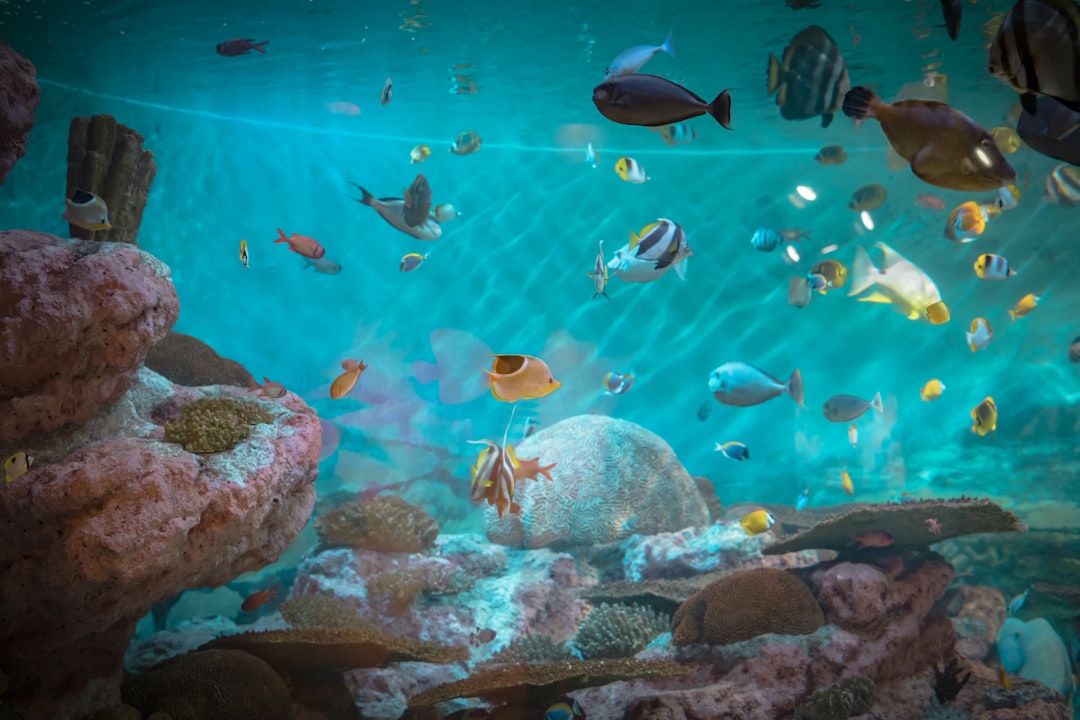
A water change replaces dissolved organics, nitrates and trace pollutants while topping up minerals fish and plants have consumed. Most planted community tanks need 25-30 per cent weekly; heavily stocked tanks need more, low-tech walstad tanks need less. This water change faq from Gensou Aquascaping at 5 Everton Park settles the volume, frequency and conditioner debates, and this guide answers the 10 questions Singapore aquarists ask most about water changes.
How much water should I change weekly?
For a typical tropical community tank in Singapore, 25-30 per cent weekly is the workhorse number. Heavily stocked discus or goldfish tanks need 40-50 per cent. Shrimp tanks tolerate 10-20 per cent at most because TDS swings stress them. The exact figure tracks nitrate accumulation — measure mid-week and aim to keep nitrate under 30 ppm between changes.
How often is too often?
Daily water changes are appropriate during fish-in cycling or after a dosing accident. Otherwise, anything more than twice weekly disrupts beneficial biofilm and bores out KH buffering, especially with Singapore’s soft 1-2 KH tap. For settled planted tanks, once weekly is the upper limit; established Walstad jars run for months without changes.
Do I need a water conditioner?
Yes, every change. PUB tap water carries 1-3 ppm chloramine, a bonded chlorine-ammonia compound that gill burns within minutes of exposure. Seachem Prime at 1 drop per 4 litres or API Tap Water Conditioner at 2 ml per 40 litres neutralises both bonds. Conditioner first, then add water — never add fish to unconditioned water expecting the dose to catch up. Shop the water care range for current stock.
Should I match temperature exactly?
Within 2°C of tank temperature is the safe window. Singapore tanks usually run 27-29°C; PUB tap exits the pipe at 26-28°C, so the gap is small enough that a steady pour works without pre-heating. Cold water shocks scaleless catfish and pleco; if your fishroom runs cooler, pre-mix the change water in a bucket, let it stand 30 minutes, then add.
Do I gravel-vac during every change?
Gravel-vac the front half of the substrate during one change, the back half the next. Vacuuming the whole bed every week strips beneficial bacteria and disturbs root systems. Bare-bottom tanks need a daily turkey-baster or short siphon pass to lift detritus pockets. Aquasoil tanks are vacuumed only above the substrate, never deep — pulling the layer apart releases trapped ammonia.
What if my fish hide after a change?
Mild hiding for one to two hours is normal and reflects the parameter shift. If hiding lasts past 24 hours, check that conditioner was dosed and that temperature did not drop more than 3°C. Bettas and shrimp are most reactive; use a drip-acclimation tool to refill slowly during their changes.
Can I use a python or hose direct?
Python-style fill systems are convenient but require dosing the full tank volume of conditioner before refilling — not just the change-water volume. Seachem Prime at 5x dose neutralises tank-wide chloramine for direct fill. For HDB sinks, a 10-metre python works well; condo glass-balcony aquascapes need shorter hoses or two-bucket method.
Are water changes really necessary in planted tanks?
Yes. Plants absorb nitrate but cannot remove dissolved organic carbon, hormones or stale trace minerals. Heavy planted tanks running EI dosing demand 50 per cent weekly to reset the trace pool. Walstad-style natural-method tanks bypass this through soil chemistry and animal-plant balance, but they are the exception, not a template for new aquarists.
How do I prepare change water in advance?
Fill a food-grade bucket the night before, dose conditioner, and add a small air stone for circulation. Aged water gases off any residual chlorine and lets temperature equilibrate. RODI users remineralise with Salty Shrimp GH/KH+ or Seachem Equilibrium during this step. Avoid storing change water more than 48 hours — it goes stagnant fast in tropical heat.
Do shrimp tanks need different rules?
Shrimp tolerate parameter swings poorly. Cap changes at 10-20 per cent weekly, match TDS within 20 ppm, drip refill at 1-2 litres per hour. Monthly 30 per cent changes work for low-stock crystal shrimp setups. The change water must match KH, GH and TDS within tight bounds — premix in a separate vessel and test before pouring.
Related Reading