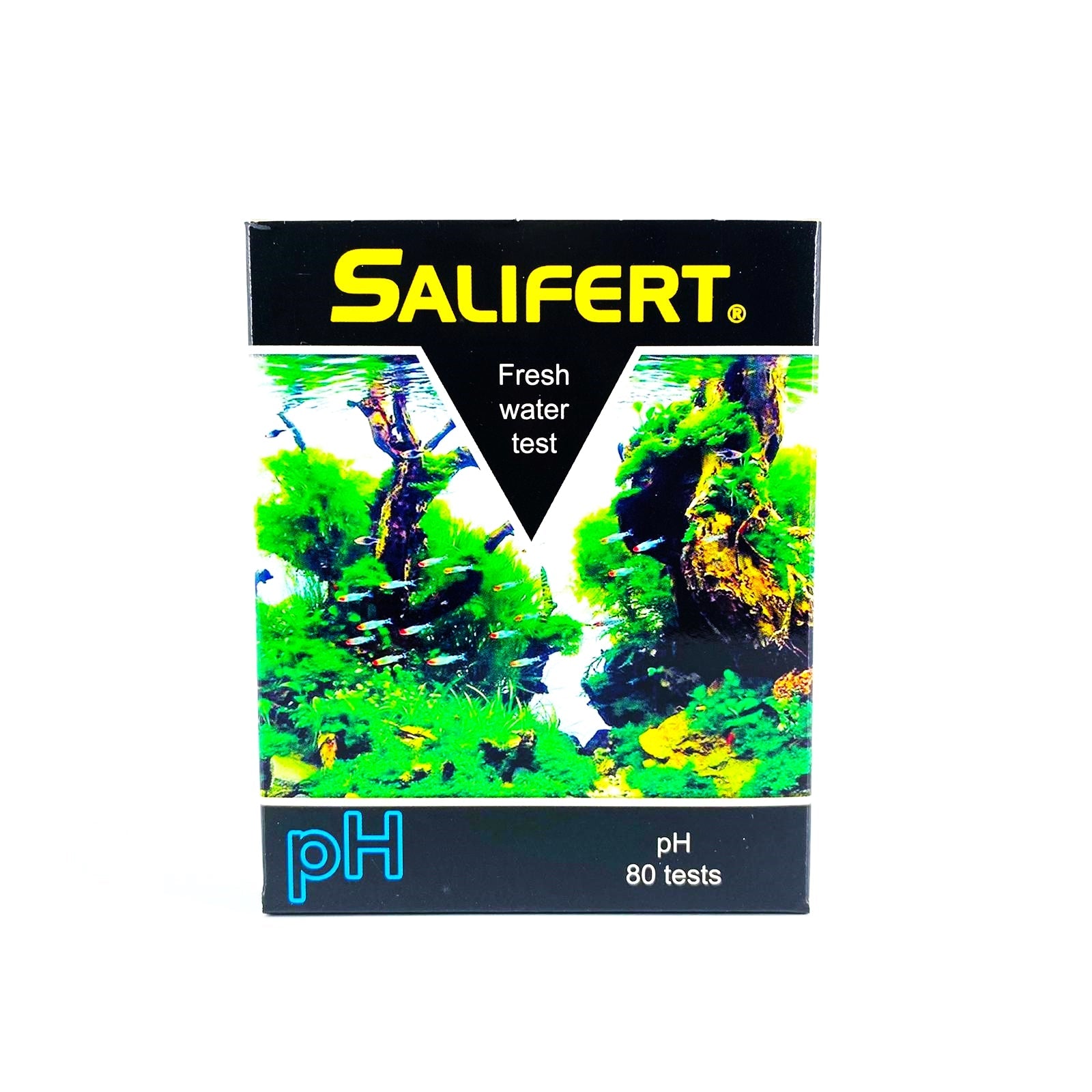
SALIFERT pH Test kit for freshwater
Out of stock
Ask on WhatsAppDescription
Product:
pH is the measure of hydrogen ions. It tells us if our water is acidic or alkaline. On a scale of 0 to 14, pure water has a neutral pH of 7.0. Acidic liquids (such as with citric fruits, tannin water) have a pH of less than 7.0, and alkaline liquids (like green tea and soap) have a pH of more than 7.0.
Most freshwater fish thrive at pH levels between 6.5 to 8.0.
If your aquarium has experienced a pH crash, your fish may show signs of stress, such as frantic swimming, lethargy, rapid breathing, or other erratic behavior.
pH can be lowered by tannins from wood and leaves, by adding peat moss, or by using specific substrates.
It is good to note though that pH levels in an aquarium tends to change throughout the day. The objective is to maintain a stable pH with as little fluctuations as possible.
Instructions:
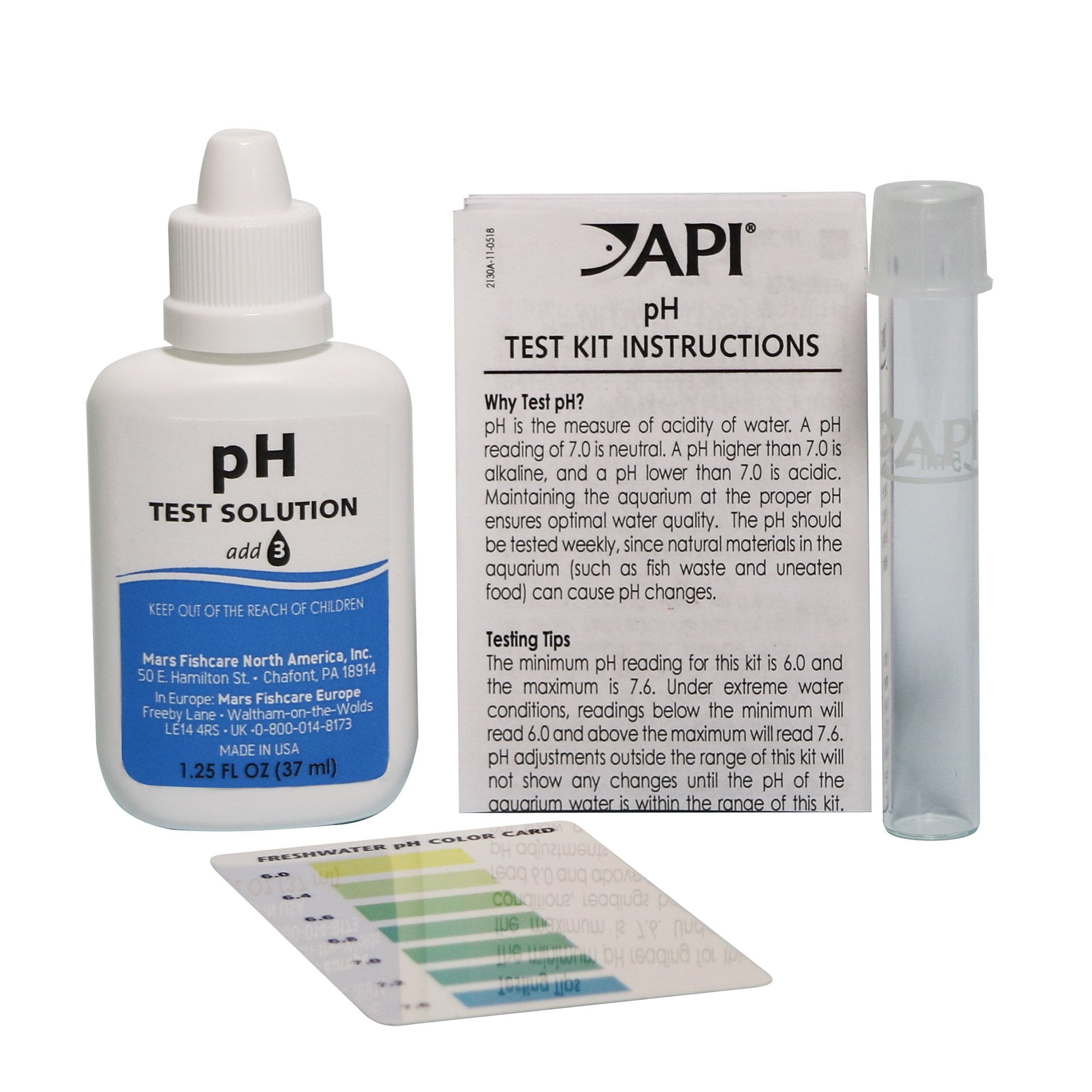
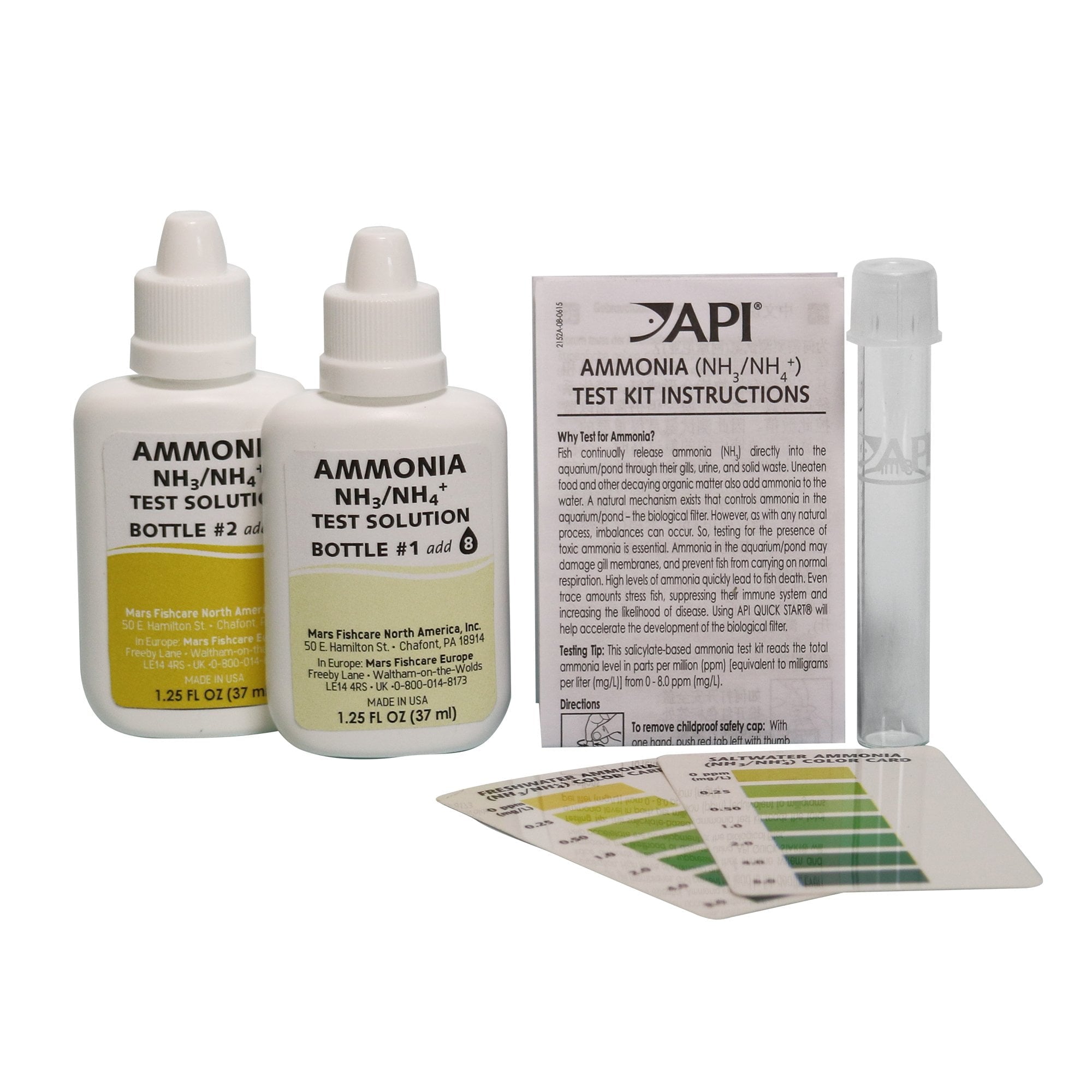
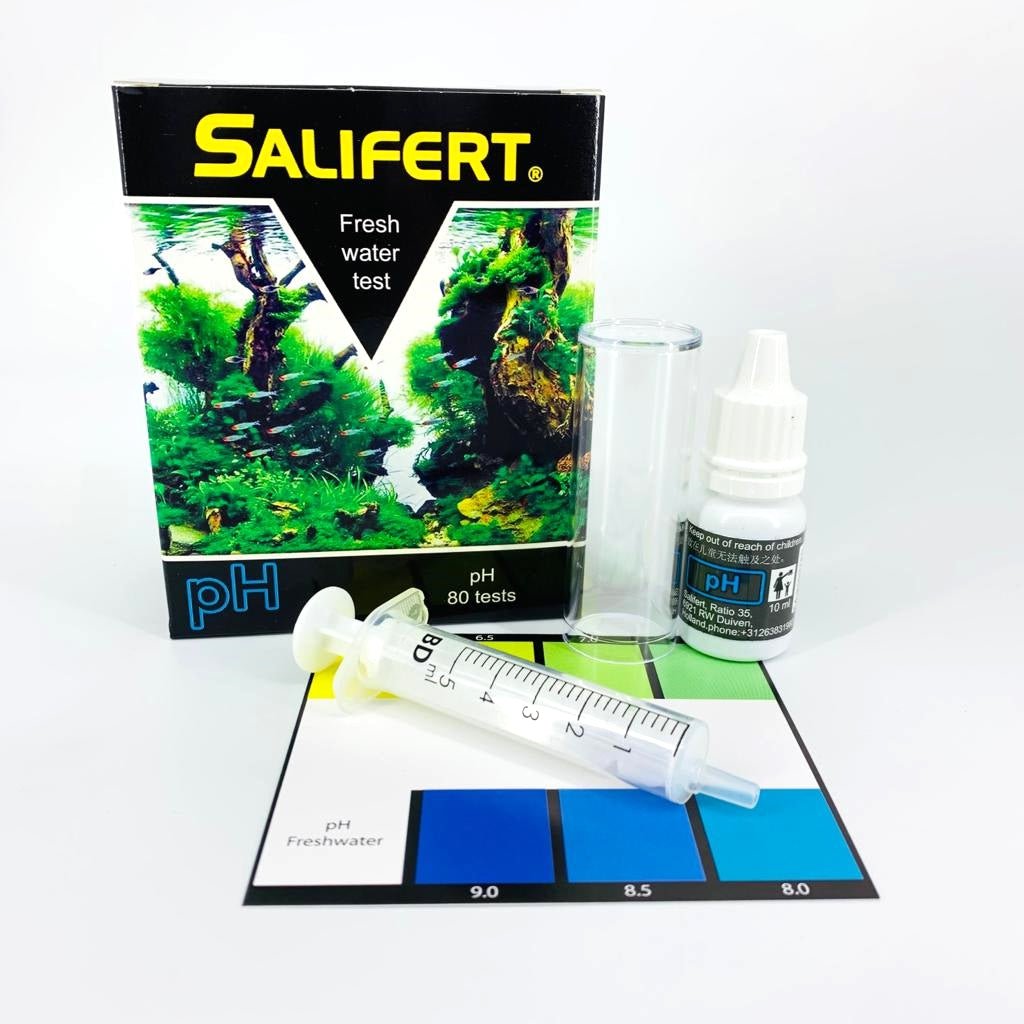
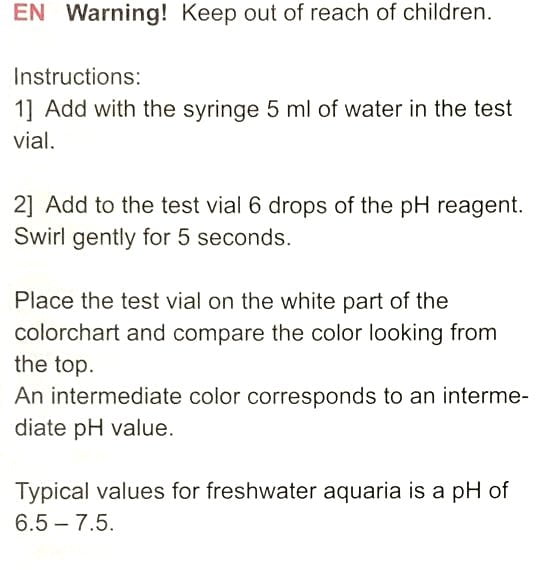
Add 5ml of aquarium water in to the test vial.
Add 6 drops of the pH reagent to the test vial. Swirl for 5 seconds.
Place the test vial against the color chart to obtain reading.
Typical pH values for freshwater aquariums should be in the range of 6.5 – 7.5.
Note:
Keep out of the reach of children! Only for aquarium hobby use.
The use of protective gloves and eye protection is recommended.
Please read the instructions carefully before using the product.
Salifert:
Salifert is a Netherlands base company that produces top of the line test kits as well as tank additives and foods for marine and reef aquariums.
Salifert is well established and popular with hobbyist for their accurate and affordable test kits.
Using the Salifert Freshwater pH Test Kit in Singapore Tanks
This kit reads freshwater pH with a clear colour gradient, which matters here because our reservoir tap water is treated with chloramine and often sits soft and slightly acidic out of the tap. Once you load a tank with driftwood, catappa leaves or active aqua soil, the pH can drift lower over the weeks. Testing every water change lets you catch that drift early rather than discovering it only after the livestock starts behaving oddly in the morning.
We tell customers to test at the same time of day, since pH naturally rises and falls with CO2 over a photoperiod, especially in planted setups. In a heaterless ambient tank running warm at 27 to 29C, biological activity is brisk, so parameters can move faster than they would in cooler climates. Keep a simple log against the colour chart and you build a baseline that makes any sudden swing obvious instead of guesswork.
Pair this kit with a measured response rather than chasing the chart. Browse our full water testing and care range, and read our pH crash causes and recovery walkthrough plus the broader water parameters guide before adjusting anything.