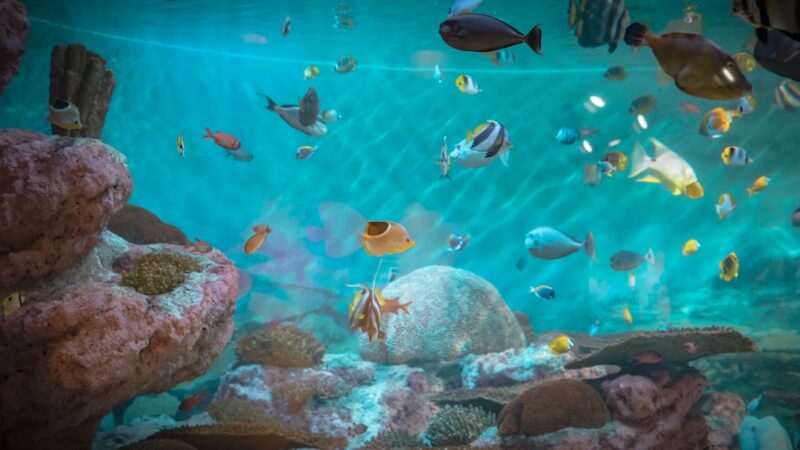
1 Gallon Planted Jar Setup Guide: Low-Tech Walstad Style
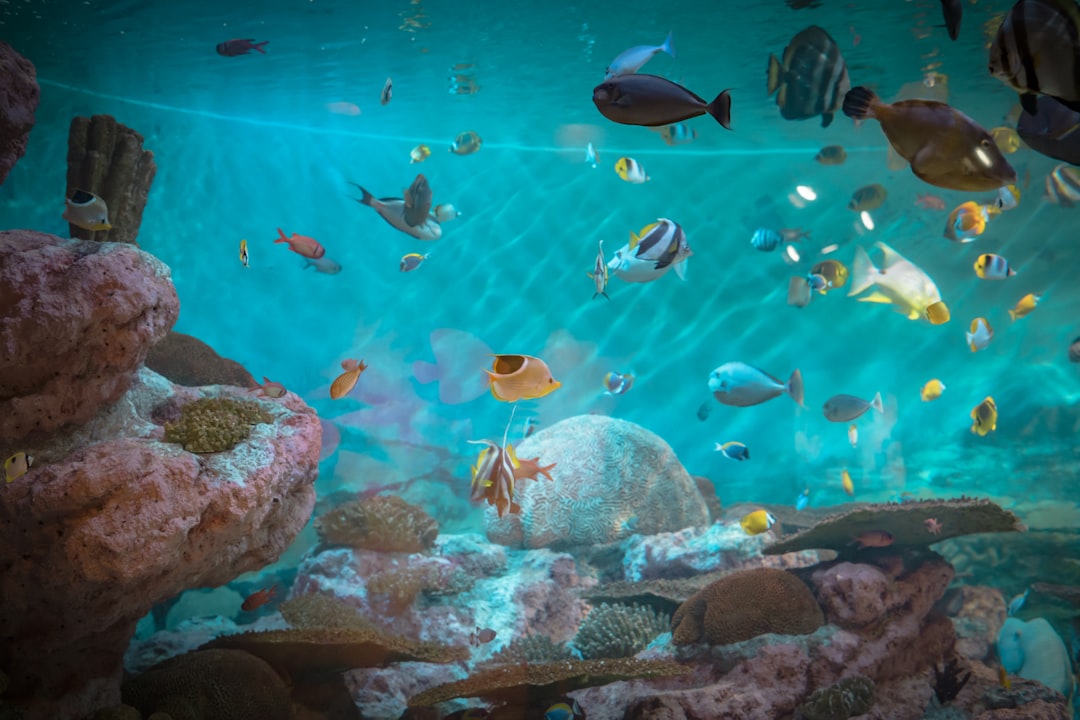
A sealed planted jar sitting on a desk, humming along for three years without a filter, is one of the most satisfying small projects in this hobby. This 1 gallon planted jar setup guide walks through the Walstad low-tech method adapted for Singapore conditions, using PUB tap water, locally available soils, and a conservative shrimp stocking that respects the 3.8-litre volume. The approach comes from running pico jars at Gensou Aquascaping at 5 Everton Park and from customers who have kept the same jars going since 2021.
Why Walstad Works at Pico Scale
Diana Walstad’s method leans on dirted substrate and dense planting to handle nitrogen cycling without a filter. In a 1-gallon (3.8 L) jar the plant mass relative to water volume is enormous, which makes Walstad easier to execute at pico scale than at 60 litres. Plants outcompete algae, consume ammonia directly, and oxygenate the water column. Our Walstad method overview covers the principles; this guide is the pico-specific recipe.
Choosing the Jar
A rimless glass cube of roughly 15 x 15 x 17 cm gives you 3.8 L and a flat top for evaporation and light ingress. Avoid bowls with narrow necks — they restrict gas exchange and crash pH overnight. IKEA’s 4-litre glass containers work. Daiso has decent 3-litre cubes at $5. For a slightly more premium look, Carousell listings of used ADA Cube Garden 20C cubes appear weekly at $40 to $60.
Substrate Layering
The 1 gallon planted jar setup guide substrate is a two-layer stack. Bottom layer: 2 cm of organic potting soil with no added fertiliser or perlite. Baba brand or Far East Flora 5-litre bags at $8 to $12 work. Mineralise it first by soaking wet, drying fully, and repeating twice over a week. Top layer: 3 cm of fine gravel or sand (2 to 3 mm grain) to cap the soil and keep it from clouding the water. Total substrate depth 5 cm.
1 Gallon Jar Dimensions and Layout Planning
With 5 cm of substrate the visible water column is 12 cm deep in a 17 cm tall jar. Plan hardscape to rise no more than 10 cm so there is open water above. One piece of spider wood or a small seiryu stone is plenty — pico scapes fail when overloaded.
Plant Selection
Dense planting on day one is non-negotiable. Aim for 70 to 80 percent substrate coverage immediately. A proven pico planting list: a carpet of dwarf hairgrass (Eleocharis parvula) or monte carlo (Micranthemum tweediei) in the front third, a midground tuft of Bucephalandra or Anubias nana petite attached to a stone, a background stand of five stems of Rotala rotundifolia, and Java moss woven through the hardscape. See the best plants for shrimp tank guide for sourcing.
Water and Initial Fill
Fill slowly over a plastic bag to avoid disturbing the substrate layers. Use Seachem Prime or equivalent dechlorinator at the PUB tap water rate of 1 drop per 4 litres. Singapore tap sits at GH 2 to 4 and pH near 7, which suits soft-water-loving carpets and mosses. A pinch of Salty Shrimp GH+ minerals raises general hardness by 2 degrees, which shrimp appreciate. No heater needed at 28 to 30°C ambient.
Lighting
A clip-on nano LED of 5 to 10 watts with a warm-white spectrum drives growth without algae bloom. The Chihiros C2 at $55 or a Shopee generic at $15 to $25 both work. Run 6 to 8 hours daily on a timer. Extending photoperiod triggers algae faster than increasing intensity, so keep it short initially.
Cycling Without a Filter
A Walstad jar cycles through substrate and plant biology rather than filter media. Leave it fishless and shrimpless for four weeks. Test ammonia, nitrite and nitrate weekly with an API liquid kit. Expect an initial ammonia spike at week one from soil decomposition, then nitrite at week two, and clean readings by week four. The cycling with plants guide explains the timeline.
Stocking the Jar
After cycling, add five cherry shrimp (Neocaridina davidi) and one nerite snail. That is the full stock for a 1-gallon (3.8 L) Walstad jar. Resist scaling up — the plant-based nitrogen cycle has limited capacity at pico scale. Our cherry shrimp care guide covers acclimation, which should be drip-method over 90 minutes for shrimp sensitive to TDS shifts.
Maintenance Rhythm
Weekly 10 to 15 percent water changes with temperature-matched, dechlorinated PUB tap water. Top up evaporation daily — Singapore’s humidity moderates evaporation to roughly 50 ml per day from an open-top jar. Prune stems monthly to prevent shading the carpet. Glass cleaning with a Mr Clean Magic Eraser cut into a small strip handles biofilm without scratching.
Common Pico Pitfalls
The failures I see repeatedly on customer jars: cloudy water from under-mineralised soil (re-do the wet-dry cycle before setup), black beard algae from excessive photoperiod (cut to 6 hours), shrimp dieback from TDS drift (top up evaporation daily, not weekly), and stalled plant growth from stingy lighting. See the beginner planted tank mistakes list for broader context.
Singapore Sourcing Summary
Full 1 gallon planted jar setup guide cost in SGD: jar $10 to $40, organic soil $8, fine gravel cap $6, driftwood or stone $8 to $15, plants $30 to $50, LED clip $20, shrimp starter colony of five $12 to $20. Total $90 to $160 for a complete build using new gear, less if you source second-hand on Carousell. Green Chapter at Jurong, Y618 Aquatic and Nature Aquarium Gallery all stock the plants mentioned.
A well-executed 1-gallon (3.8 L) Walstad jar runs stable for three to five years with the steps above. Expect shrimp breeding from month three, full plant carpet coverage by month four, and a quietly beautiful micro-ecosystem that needs ten minutes of weekly attention. The Walstad low-tech guide covers scaling up once you are hooked.
Related Reading
- Walstad Method Aquarium
- Walstad Method Low-Tech Planted Tank
- Cherry Shrimp Care Guide
- Best Plants for Shrimp Tank
- Aquarium Cycling With Plants Guide
Once your planted one-gallon jar is thriving, you may want to step up to our 3 gallon fish tank setup guide for a slightly larger nano build.