
Walstad Method Guide: Low-Tech Planted Tank With Soil and Sunlight
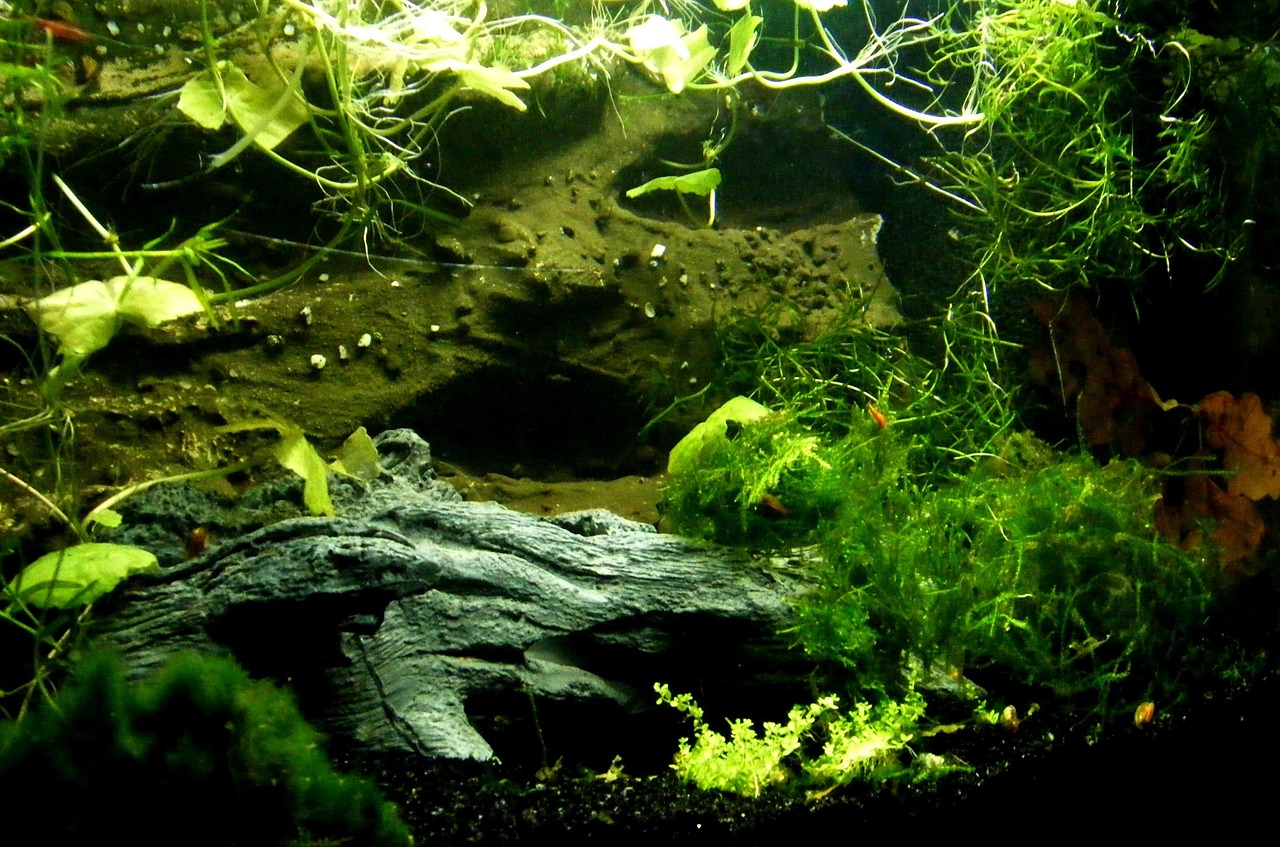
The walstad method low tech planted tank strips fishkeeping back to fundamentals: a layer of organic soil, a gravel cap, plenty of fast-growing plants, and minimal equipment. Pioneered by ecologist Diana Walstad, the approach relies on soil nutrients and natural biological processes rather than pressurised CO2 or dosing pumps. At Gensou Aquascaping, 5 Everton Park, Singapore, we have maintained Walstad-style setups for years and find them particularly well suited to our tropical climate, where ambient temperatures already sit in the 28-32 °C range most aquatic plants enjoy. This guide sits inside our broader Planted Tank Complete Hub reference.
How the Walstad Method Works
The core idea is simple. A 2-3 cm layer of organic potting soil provides macro and micronutrients directly to plant roots. A 2-3 cm cap of fine gravel or coarse sand seals the soil, preventing it from clouding the water column. Plants absorb ammonia, nitrite and nitrate produced by fish waste, while the soil’s anaerobic lower layer processes nitrogen compounds that aerobic filters would otherwise handle.
Because plants do most of the biological filtration, you can skip the canister filter entirely. A small sponge filter or even no filter at all is common in mature Walstad tanks. Lighting can be as basic as a desk lamp with a daylight-spectrum LED bulb, or — if your HDB flat gets a few hours of indirect sunlight — a windowsill placement works beautifully.
Choosing the Right Soil
Not every bag of potting mix is suitable. Avoid soils with added fertiliser pellets, perlite or vermiculite, as these float and cloud water. In Singapore, Tref or Klasmann sphagnum peat-based soils from local garden centres work well. Some hobbyists use mineralized topsoil — soil that has been soaked, dried and re-soaked over several weeks to leach excess organics — which reduces the initial ammonia spike but adds preparation time.
Whichever soil you pick, soak it overnight, drain, then spread it evenly across the tank base before capping. The cap layer is critical: use inert gravel or sand between 1-3 mm grain size. Pool filter sand, available for around SGD 5-8 per bag at local hardware shops, is a budget favourite.
Plant Selection for Singapore Conditions
Fast growers are essential in the first month to out-compete algae. Hygrophila polysperma, Ceratophyllum demersum (hornwort), Vallisneria spiralis and Limnophila sessiliflora are hardy, cheap and readily available at aquarium shops along Serangoon North. Floating plants like Salvinia minima or water lettuce help diffuse light and absorb excess nutrients from the water column.
After the tank stabilises — usually six to eight weeks — you can introduce slower-growing species such as Cryptocoryne wendtii, Anubias barteri var. nana and Java fern. These root feeders thrive in the nutrient-rich soil layer.
Lighting Without Breaking the Budget
A walstad method low tech planted tank does not need high-intensity lighting. Aim for 20-40 lumens per litre. For a standard 60 cm tank holding around 55 litres, a 15-20 W LED panel running eight hours daily is more than enough. In Singapore, ambient room light is already quite strong, so err on the lower end to control algae. A simple plug-in timer costing SGD 8-12 keeps the photoperiod consistent.
Water and Filtration Considerations
Singapore’s PUB tap water is soft, with a general hardness of 2-4 dGH, and treated with chloramine rather than chlorine. Always use a water conditioner that neutralises chloramine — plain dechlorinators are not enough. The soft water suits most tropical plants, though you may want to add a small mesh bag of crushed coral if you keep livebearers or snails that appreciate a GH closer to 6-8.
Filtration is optional. Many Walstad keepers run a small air-driven sponge filter purely for surface agitation. If you choose no filter, ensure heavy planting from day one — at least 70-80 percent of the substrate should be covered.
Stocking and Bioload
Keep the fish load light. A 60 cm Walstad tank comfortably supports eight to ten small fish — endlers, ember tetras or Boraras brigittae are excellent choices. Shrimp such as cherry shrimp or amano shrimp help with algae control and add minimal bioload. Overstocking overwhelms the plant-based filtration and leads to algae blooms.
Feed sparingly, once a day, and remove uneaten food within two minutes. Fish waste is the primary nutrient input for your plants, so balance is everything.
Maintenance Routine
One of the biggest draws of the walstad method low tech planted tank is how little maintenance it requires once mature. Weekly top-ups replace evaporated water — in Singapore’s humidity, evaporation is moderate but still noticeable in open-top tanks. Perform a 10-20 percent water change every two to three weeks rather than the typical weekly 30 percent change. Trim fast growers when they shade lower plants, and replant the cuttings to fill gaps.
Expect some algae in the first month. Green dust algae on glass and brown diatoms on leaves are normal during cycling. Reduce lighting duration to six hours if algae becomes aggressive, and let the plants catch up.
Common Mistakes to Avoid
Using too much soil is a frequent error — anything deeper than 3 cm tends to produce hydrogen sulphide pockets that smell of rotten eggs and harm fish. Disturbing the substrate during maintenance can release trapped gases, so always siphon gently above the gravel cap. Starting with too few plants is the other classic pitfall; a sparse tank gives algae free rein before the ecosystem finds its balance.
The Walstad method rewards patience. Give the tank two full months before judging results, and resist the urge to add fertilisers or CO2 — the soil handles it. For hands-on guidance or a ready-to-go soil substrate kit, visit us at Gensou Aquascaping on Everton Park.
Related Reading
- Low Tech Aquascape Guide: Beautiful Tanks Without CO2
- Low Tech vs High Tech Planted Tank: Which Is Right for You?
- Active vs Inert Substrate: Which Is Right for Your Planted Tank?
- ADA Fertiliser System Guide: Brighty K, Green Brighty and Step Series
- Advanced Shrimp Selective Breeding: Line Breeding, Culling and Colour Fixing



