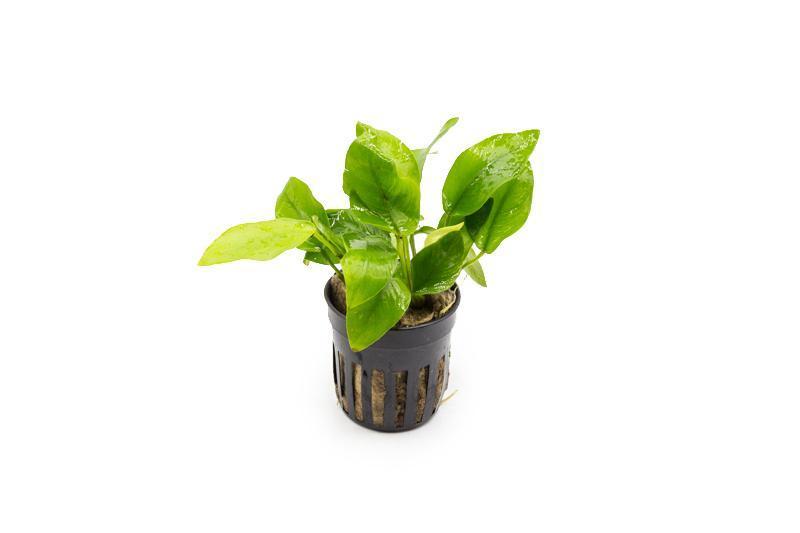
TCulture Anubias Barteri var. Barteri (Pot/TC Cup)
Out of stock
Ask on WhatsAppDescription
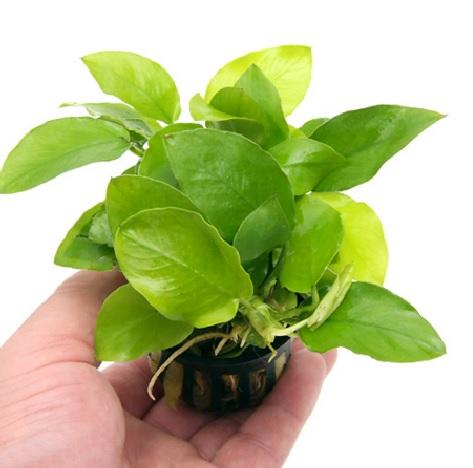
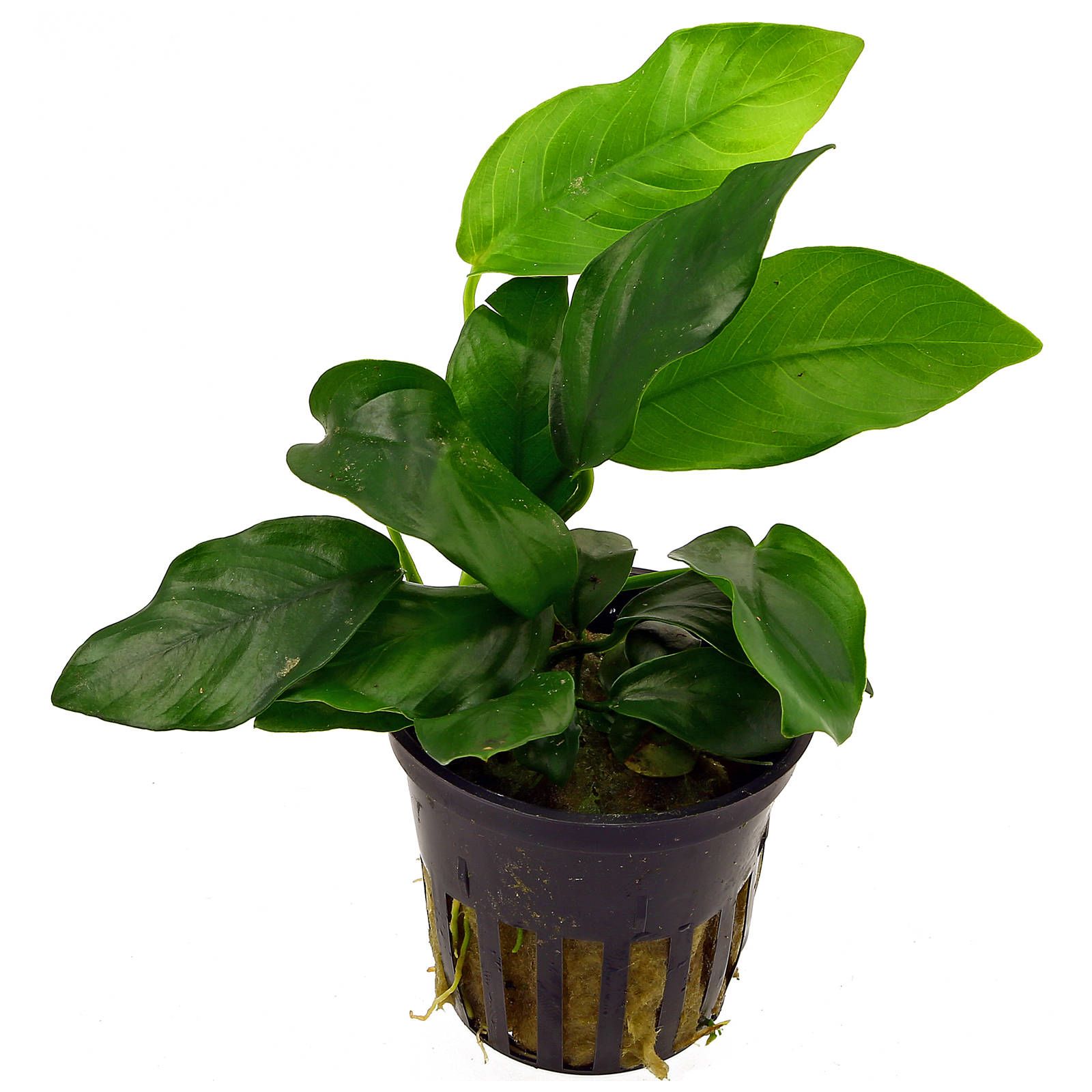
TCulture Anubias Barteri var. Barteri (Pot)
Anubias barteri var. nana originates from Cameroun, where it is found in shallow zones of forest rivers with a strong current. There is hardly any information about these locations, though. Tropica was the first to cultivate this dwarf variety in 1970 and brought it into the hobby. Anubias barteri var. nana is one of the most widely spread aquarium plants in Europe, Asia and the US.
This plant is almost indestructible in an aquarium, and is thus often called a “growing plastic plant”.
The plant itself consists of a creeping rhizom from which leaves grow that may last several years. Anubias barteri var. nana is not finicky regarding light intensity and even grows under very low light (0.25 watt per litre and below) as well as under strong light (1 watt per litre and over). (read more)
Complete botanical name
Anúbias bárteri var. nána (Engler) Crusio
Family
Araceae
Genus
Anubias
Difficulty
very easy
Colour
light green, medium green, dark green
Usage
Epiphyte (growing on hardscape), Cichlid proof plant, Midground, Nano tanks, Foreground, group
Height
5 – 10cm
Width
5 – 20cm
Growth
slow
pH value
5 – 8
Temperature tolerance
12 – 30°C
Carbonate hardness
0 – 21°dKH
General hardness
0 – 30°dGH
Propagation
Rhizomteilung, Splitting, cutting off daughter plants
Can grow emersed?
yes
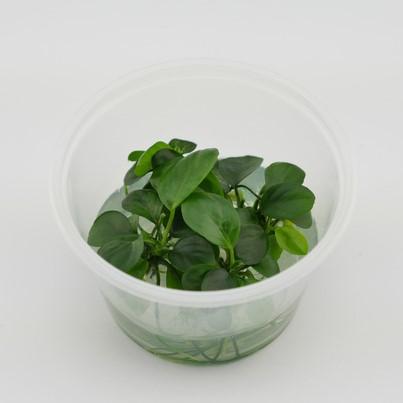
TCulture Anubias barteri var. barteri (TC Cup)
The typical Anubias barteri is native to rainforest streams in West Africa and long known as a robust, undemanding aquarium plant. It is very variable in size, however, with a height of about 25-45 cm it gets considerably bigger than Anubias barteri var. nana. As young plant, it differs from the latter by longer petioles. The coarse, medium green leaves are oval with slightly cordate base. The creeping rhizome soon reaches a length of 10 cm and more.
Anubias barteri var. barteri is one of the easiest aquarium plant and still grows in dimly lit tanks without CO2 supply. It attaches itself on wood and rock but can also be planted in the ground, proposed that the rhizome remains above the substrate level. This Anubias also tolerates strong lighting, but planting in a shady place prevents algae growth on the long-living leaves.
This Anubias is well suited for tanks with big cichlids and plant-eating fish, but looks also good on the hardscape of bigger aquascapes. Together with plants from the same region (e.g. Bolbitis heudelotii and some Crinum species) it is an ideal plant for West Africa-themed stream biotope aquariums. It is also suitable as emersed plant in paludariums and aqua-terrariums.
Growing Anubias Barteri var. Barteri in Singapore Tanks
The broad form of Anubias barteri is one of the most forgiving plants we stock for local hobbyists, and it sits comfortably in our typical 27-29C aquariums without a chiller. Its tough, leathery leaves resist the nibbling of larger fish, which makes it a sensible choice for community or cichlid setups where softer stems would be shredded. Because it grows slowly, it stays tidy in HDB and condo tanks where space and trimming time are both limited.
Attach the rhizome to driftwood or rock rather than burying it, since a buried rhizome rots quickly in our warm water. Tie it on with thread or glue and leave the creeping root exposed; new leaves emerge from there over the following weeks. Keep lighting modest, as strong light on these long-lived leaves invites stubborn algae in tropical conditions. A shadier corner under taller stems usually keeps the foliage clean for years.
It pairs beautifully with ferns in a West African theme, and you will find more layout ideas in our ferns and Anubias aquascape walkthrough. For attachment technique see attaching plants to wood and rock, and browse our full epiphytes range for companions.