How to Set Up Your First Planted Aquarium in Singapore
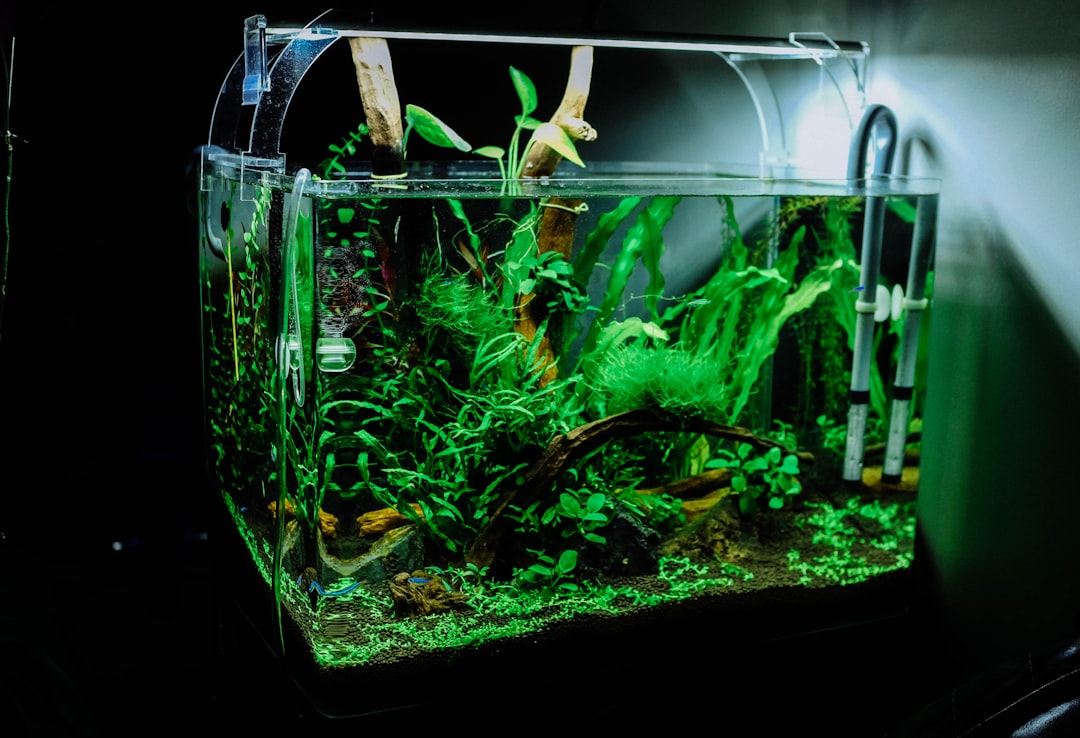
Setting up a planted aquarium in Singapore comes with a unique set of advantages and challenges that most international guides simply do not address. Our tropical climate means year-round warmth — great for many aquatic plants, but limiting for others. Our tap water, treated by PUB and increasingly supplemented with NEWater, has specific parameters you need to understand before planting your first stem. This guide sits inside our broader Planted Tank Complete Hub reference.
This guide draws on years of hands-on aquascaping experience in Singapore to give you a clear, practical roadmap from empty tank to thriving underwater garden.
Understanding Singapore’s Water Parameters
Before you buy a single plant, you need to know what is coming out of your tap. PUB-treated water in Singapore typically has the following characteristics:
- pH: 6.5 to 8.5 (varies by district, but commonly around 7.0 to 7.5)
- General Hardness (GH): 1 to 4 dGH — relatively soft water
- Carbonate Hardness (KH): 1 to 3 dKH — low buffering capacity
- Chloramine: Present in all PUB-treated water (not just chlorine)
- TDS: Approximately 50 to 150 ppm
A critical point many beginners miss: Singapore uses chloramine, not just chlorine, to disinfect its water supply. Chloramine does not off-gas by simply leaving water to stand overnight. You must use a water conditioner that specifically neutralises chloramine — products like Seachem Prime or API Tap Water Conditioner are readily available here and handle this effectively.
The relatively soft, slightly acidic to neutral water is actually excellent news for planted tanks. Most popular aquarium plants originate from soft-water tropical environments and will thrive in Singapore tap water with minimal adjustment. If you keep demanding plants like Rotala or Tonina species, you may not need to add an RO system at all.
What About NEWater?
NEWater — Singapore’s high-grade reclaimed water — is blended into our reservoir supply. It is ultra-pure before blending, so its main effect is keeping our tap water on the softer side. For planted aquarium purposes, this is a benefit rather than a concern. Just treat your water for chloramine as described above, and you are good to go.
The Tropical Temperature Challenge
Singapore’s ambient temperature sits between 28 and 32 degrees Celsius for most of the year. Without a chiller, your aquarium water will hover around 28 to 30 degrees Celsius — and can climb above 31 degrees Celsius during heat waves or if the tank receives afternoon sunlight.
This matters because many popular aquarium plants from temperate or subtropical regions prefer 22 to 26 degrees Celsius. At Singapore temperatures, you will notice:
- Faster plant metabolism, meaning higher nutrient and CO2 demand
- Lower dissolved oxygen in warmer water
- Some cold-preference plants (certain Bucephalandra varieties, some mosses) may struggle or melt
- Algae grows more aggressively in warm, nutrient-rich water
Do You Need a Chiller?
For a beginner planted tank, a chiller is not essential — but it does expand the range of plants and livestock you can keep successfully. If your budget allows, a chiller set to 25 to 26 degrees Celsius will make your planted tank significantly easier to manage. Brands like TECO and Hailea are popular among Singapore aquascapers. If you are running a smaller nano tank, a clip-on fan blowing across the water surface can reduce temperatures by 2 to 3 degrees through evaporative cooling.
For a first planted tank, focus on heat-tolerant species: Java Fern, Anubias, Cryptocoryne, Hygrophila, and Vallisneria all handle Singapore temperatures without complaint.
Choosing Your Tank Size
A common beginner mistake is starting too small. While nano tanks (under 20 litres) are tempting for their compact footprint in Singapore’s HDB flats and condominiums, they are far less forgiving of mistakes. Water parameters fluctuate rapidly in small volumes, and dosing errors are amplified.
For your first planted aquarium, aim for 60 to 90 centimetres in length (approximately 60 to 160 litres). This size provides enough water volume for stability while remaining manageable for maintenance. A standard 60cm tank fits comfortably on most furniture and is the most popular size among local aquascapers.
Browse our online shop for a selection of rimless tanks and aquascaping-ready setups suited to Singapore homes.
Substrate: The Foundation of a Planted Tank
Your substrate choice will affect your planted tank for its entire lifespan. For a first planted aquarium, these are the most accessible and effective options available in Singapore:
- ADA Amazonia II: The gold standard among aquasoil substrates. Rich in nutrients, buffers pH downward, and supports root-feeding plants exceptionally well. Requires a cycling period as it leaches ammonia initially.
- Tropica Aquarium Soil: A strong alternative to ADA, with somewhat less initial ammonia leaching. Widely stocked by local fish shops.
- GlasGarten Environment Aquarium Soil: A newer option gaining popularity in Singapore for its balance of nutrient content and manageable cycling period.
- Inert substrates (sand, gravel): If you plan to keep only epiphyte plants like Anubias and Java Fern attached to hardscape, an inert substrate works fine and avoids the cycling complications of aquasoil.
For most beginners, an aquasoil like ADA Amazonia or Tropica Soil is the recommended choice. The initial ammonia spike requires patience — you cannot add fish immediately — but the long-term benefits for plant growth are substantial.
Lighting for Planted Tanks in Singapore
Modern LED lighting has made planted tank illumination far more accessible and energy-efficient. For Singapore’s market, these brands offer strong performance at various price points:
- Chihiros (WRGB II, WRGB II Slim, C Series): Excellent value with app-controllable dimming and scheduling. The WRGB II series is a favourite among local aquascapers for medium to high-light setups.
- Twinstar (S Series, E Series): Premium build quality and colour rendition. Popular for display tanks and competition aquascapes.
- ADA Aquasky: The benchmark in design and performance, though at a higher price point. Worth considering if you are investing in a long-term display.
- ONF Flat One Plus: A sleek, high-performance option with excellent PAR output for demanding plants.
For a beginner, a Chihiros WRGB II Slim or C Series LED is hard to beat. Run your lights for 6 to 8 hours per day initially — not longer. Excessive light without adequate CO2 and nutrients is the fastest route to an algae outbreak, especially in Singapore’s warm water.
CO2 Injection: Is It Necessary?
Technically, you can grow many plants without CO2 injection. But if you want a lush, densely planted aquascape with vibrant colours, pressurised CO2 makes an enormous difference.
A basic pressurised CO2 setup consists of:
- A CO2 cylinder (common sizes in Singapore: 1 litre to 3 litres for smaller tanks, 5 litres for larger setups)
- A dual-stage regulator with solenoid valve and bubble counter
- Tubing and a diffuser (ceramic or inline)
- A timer to sync CO2 injection with your lighting period
Aim for a CO2 concentration of approximately 30 ppm during the lighting period. A drop checker filled with 4 dKH reference solution should show a green colour — yellow means too much CO2 (dangerous for fish), blue means too little.
In Singapore, CO2 cylinder refills are affordable and widely available at local aquarium shops. A 3-litre cylinder typically lasts 2 to 4 months on a 60cm tank, depending on your injection rate.
Filtration
For a planted aquarium, a canister filter is the preferred choice. It sits outside the tank, keeping the interior clean and uncluttered, and provides excellent biological filtration volume. Popular models in Singapore include the Oase BioMaster series, Eheim Classic range, and the ADA Super Jet.
Flow rate should turn over your tank volume approximately 4 to 6 times per hour. For a 60-litre tank, that means a filter rated at 240 to 360 litres per hour. Good circulation ensures CO2 and nutrients reach all your plants and prevents dead spots where algae can take hold.
Planting and Initial Setup Steps
- Hardscape first: Place your rocks and driftwood before adding substrate. This lets you visualise the layout and make adjustments without disturbing planted areas.
- Add substrate: Slope it higher toward the back (5 to 8 cm at the rear, 3 to 4 cm at the front) for visual depth.
- Fill partially: Add water to about 5 cm depth — enough to keep plants moist during planting without floating them away.
- Plant from foreground to background: Start with carpeting plants at the front, mid-ground species next, and tall stem plants at the rear.
- Fill slowly: Use a colander or plate to break the water flow and avoid disturbing your planting.
- Start filtration and CO2: Turn on your filter, begin CO2 injection, and set your light timer.
- Cycle before adding fish: If using aquasoil, allow 2 to 4 weeks for the ammonia spike to subside. Test your water parameters before introducing livestock. (See our complete cycling guide for detailed instructions.)
First-Week and First-Month Care
The first month is critical. Perform 50% water changes every other day for the first two weeks if using aquasoil — this helps flush excess ammonia and reduces the risk of algae. After two weeks, you can reduce to 2 to 3 water changes per week, and eventually settle into a weekly routine once the tank is established.
Begin dosing liquid fertilisers after the first week. A comprehensive all-in-one fertiliser like APT Complete or Tropica Premium Nutrition covers most needs for a moderately planted tank. If you are running high light and CO2, consider a more targeted dosing approach with separate macro and micro nutrient solutions.
Getting Expert Help in Singapore
If you would rather skip the trial and error, our custom aquascaping service handles everything from tank selection and hardscape design to planting and ongoing maintenance. We work with clients across Singapore to create planted aquariums tailored to their space, budget, and skill level.
Have questions about getting started? Reach out to us — we are always happy to help fellow aquascaping enthusiasts in Singapore find their footing.