How to Cycle a New Aquarium: The Complete Guide
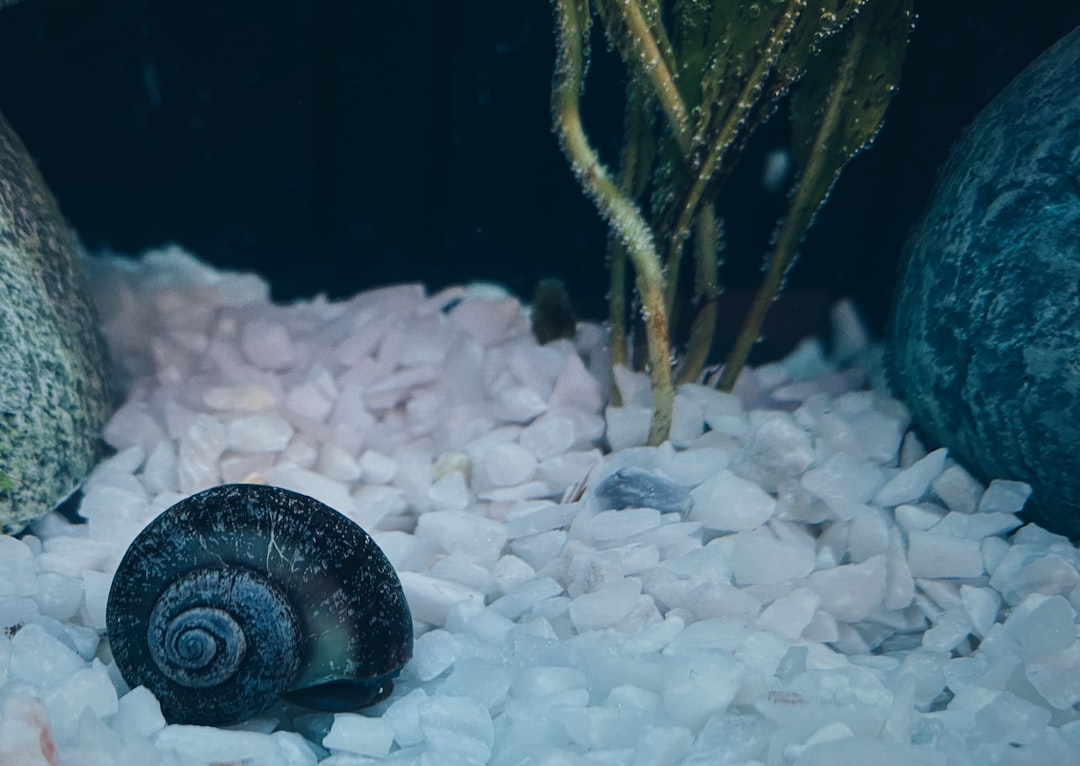
Every new aquarium, no matter how beautiful, is a biological wasteland. The water is sterile. The filter media is bare. There are no beneficial bacteria to process the toxic waste that fish produce. Adding fish to an uncycled tank is one of the most common and most preventable mistakes in the hobby — and it is the leading cause of fish death in new setups. This guide sits inside our broader Freshwater Aquarium Complete Beginner Hub reference.
Cycling is the process of establishing colonies of beneficial bacteria that convert toxic ammonia into less harmful substances. It is not optional. It is not something you can skip with a magic product. But it is straightforward once you understand what is happening and what to look for.
The Nitrogen Cycle Explained
The nitrogen cycle in an aquarium works in three stages:
- Ammonia (NH3/NH4+): Fish produce ammonia through their waste and respiration. Decomposing food and plant matter also release ammonia. At any detectable concentration, ammonia is toxic to fish — it burns gills and damages organs.
- Nitrite (NO2-): A group of bacteria called Nitrosomonas colonise your filter media and convert ammonia into nitrite. Nitrite is also highly toxic to fish — it binds to haemoglobin and prevents oxygen transport in the blood.
- Nitrate (NO3-): A second group of bacteria called Nitrospira convert nitrite into nitrate. Nitrate is far less toxic and is tolerated by most fish at concentrations below 40 ppm. It is removed through regular water changes and is absorbed by live plants.
A “cycled” aquarium has enough of both bacterial colonies to process ammonia and nitrite as fast as they are produced, keeping both at zero. This is what you are building during the cycling process.
Fishless Cycling: Step by Step
Fishless cycling is the most humane and reliable method. You introduce an ammonia source without any fish present, allowing bacteria to establish before any livestock is at risk.
What You Need
- Your fully assembled tank with filter running, heater set (if applicable), and substrate in place
- A source of ammonia — pure ammonia solution (Dr Tim’s Ammonium Chloride is formulated specifically for this purpose) or fish food (less precise but works)
- A liquid water test kit that measures ammonia, nitrite, and nitrate (API Freshwater Master Test Kit is the standard)
- Water conditioner to dechlorinate your tap water
- Patience
Step-by-Step Process
- Set up and fill your tank. Install your filter, heater, substrate, and hardscape. Fill with dechlorinated tap water. Turn on the filter and let it run — the filter must operate continuously throughout the cycling process. Remove any carbon or chemical filtration media, as these can interfere with the cycle.
- Add ammonia to 2 to 4 ppm. If using pure ammonia solution, add drops gradually and test until your ammonia reading reaches 2 to 4 ppm. If using fish food, add a small pinch and allow it to decompose over a few days — it will produce ammonia as it breaks down, though the exact concentration is harder to control.
- Test daily. Each day, test for ammonia, nitrite, and nitrate. Record your readings. For the first few days, ammonia will remain high and nitrite will read zero — this is expected.
- Watch for the nitrite spike. After approximately 5 to 10 days (faster in Singapore’s warm water), you will see ammonia begin to drop and nitrite begin to rise. This means Nitrosomonas bacteria are establishing and converting ammonia. The nitrite reading may climb very high — 5 ppm or more. This is normal.
- Re-dose ammonia if it drops to zero. If ammonia falls to 0 ppm before the cycle is complete, add more to bring it back to 1 to 2 ppm. The bacteria need a continuous food source to multiply.
- Wait for nitrite to drop. Eventually, Nitrospira bacteria will establish and begin converting nitrite to nitrate. You will see nitrite readings begin to fall while nitrate readings climb. This is the home stretch.
- Confirm the cycle is complete. Your tank is fully cycled when you can dose ammonia to 2 ppm and, within 24 hours, both ammonia and nitrite read 0 ppm, with nitrate present. At this point, your bacterial colonies are robust enough to handle the waste load of fish.
- Perform a large water change. Before adding fish, do a 50 to 80 percent water change to bring nitrate levels down below 20 ppm. Dechlorinate the new water.
- Add fish gradually. Do not stock your entire planned population at once. Add fish in small batches over 2 to 4 weeks, allowing the bacterial colony to scale up to match the increasing bioload.
Week-by-Week Timeline
Cycling times vary, but here is a general timeline. Note that Singapore’s warm water temperatures (28 to 30 degrees Celsius) accelerate bacterial growth, often shortening the cycle compared to timelines published by sources in temperate climates.
Week 1
Ammonia remains high (2 to 4 ppm). Nitrite and nitrate read zero. Nothing visible is happening, but bacteria are beginning to colonise your filter media. Be patient and just test daily.
Week 2
Ammonia begins to drop. Nitrite appears and starts climbing. This is an encouraging sign — the first bacterial colony is establishing. You may notice the water becoming slightly cloudy (a bacterial bloom). This is harmless and will clear on its own.
Week 3
Ammonia should be dropping to zero within a day or two of dosing. Nitrite may be very high — readings of 5 ppm or above are common. Nitrate begins to register. You are in the toughest part of the wait; nitrite can seem stubbornly persistent.
Week 3 to 4
Nitrite begins to fall. In Singapore’s warm conditions, many fishless cycles complete within 3 to 4 weeks. Test ammonia and nitrite daily — once both read zero within 24 hours of a 2 ppm ammonia dose, you are done.
Week 4 to 6 (if needed)
Some cycles take longer, particularly in cooler water, larger tanks, or tanks with minimal surface area for bacterial colonisation. If you are past week 4 and nitrite is still high, ensure your filter is running properly, check that you are not overdosing ammonia, and confirm there is no chloramine in your water killing the bacteria (always dechlorinate).
Speeding Up the Cycle
Bacterial Starter Products
Products like Dr Tim’s One and Only, Seachem Stability, and Fritz TurboStart 700 contain live nitrifying bacteria. They can significantly reduce cycling time — in some cases to 1 to 2 weeks. However, results vary depending on the product’s freshness and storage conditions. Treat these as a helpful supplement, not a guarantee. Always verify with test kit readings before adding fish.
Seeding from an Established Tank
The fastest way to cycle a new tank is to transfer filter media, substrate, or hardscape from an already-cycled aquarium. A used sponge filter or a handful of established bio-media placed in your new filter carries billions of beneficial bacteria and can reduce cycling time to days rather than weeks. If you know a fellow hobbyist with a healthy tank, this is the most reliable shortcut available.
Warm Water Advantage
Nitrifying bacteria reproduce faster in warmer water. Singapore’s ambient temperature of 28 to 30 degrees Celsius is close to the optimal range for bacterial growth, which means your cycle will typically complete faster than the 4 to 8 weeks commonly quoted in European or North American guides. If you are running a heater, set it to 28 to 30 degrees Celsius during cycling to maximise this advantage, then adjust to your target temperature before adding fish.
Cycling a Planted Tank
If you are setting up a planted aquarium with aquasoil (such as ADA Amazonia or Tropica Soil), the cycling process overlaps with — and is partially driven by — the substrate itself.
Aquasoils leach ammonia during the first 2 to 4 weeks. This ammonia serves as a natural food source for nitrifying bacteria, effectively cycling the tank without needing to add an external ammonia source. The process works as follows:
- Set up your tank with aquasoil, hardscape, plants, filter, and lighting
- Perform large water changes (50 percent or more) every other day for the first 2 weeks to keep ammonia from reaching levels that damage plants
- Continue testing ammonia and nitrite — reduce water change frequency as levels stabilise
- Once ammonia and nitrite consistently read zero without frequent water changes, the cycle is complete
The advantage of this approach is that your plants are growing and establishing while the cycle progresses. Fast-growing stem plants like Hygrophila and Water Wisteria absorb ammonia directly, further reducing toxicity and suppressing algae during the vulnerable startup period.
Signs of Trouble
- Ammonia is not dropping after 2 weeks: Check that your filter is running and has adequate biological media. Ensure you are dechlorinating your water — chloramine kills nitrifying bacteria. Verify that water flow is passing through the filter media, not bypassing it.
- Nitrite has been high for weeks with no sign of dropping: Very high nitrite (above 5 ppm) can actually inhibit the bacteria that convert it. Perform a 50 percent water change to dilute the nitrite, then continue the process.
- The cycle seemed complete but crashed: This can happen if you added too many fish at once, overwhelming the bacterial colony, or if you rinsed your filter media in chlorinated tap water (always rinse in old tank water during water changes).
Fish-In Cycling: A Last Resort
Fish-in cycling — adding fish to an uncycled tank and hoping the bacteria establish before the fish suffer — is stressful for the fish and risky. If you have already added fish before cycling, you need to manage the situation carefully:
- Test ammonia and nitrite daily
- Perform 25 to 50 percent water changes whenever ammonia or nitrite exceeds 0.25 ppm
- Use Seachem Prime to detoxify ammonia and nitrite between water changes (it binds them for 24 to 48 hours)
- Feed sparingly — less food means less ammonia
- Add a bacterial starter product to accelerate the process
This is survivable but not ideal. Fishless cycling is always the better path.
Start Your Tank the Right Way
Patience during cycling pays dividends in long-term tank health. A properly cycled aquarium is more stable, more forgiving of minor mistakes, and provides a far better environment for your fish and plants.
Need help getting started? Our shop carries test kits, bacterial starters, filter media, and everything else you need for a successful cycle. If you would rather have experts handle the entire setup and cycling process for you, our custom aquascaping service includes tank maturation as part of the package — you receive a fully cycled, planted, and ready-to-stock aquarium.
Contact us if you have questions about cycling your specific setup. We are happy to troubleshoot.