Fish Tank Maintenance Tips: The Complete Guide for Beginners
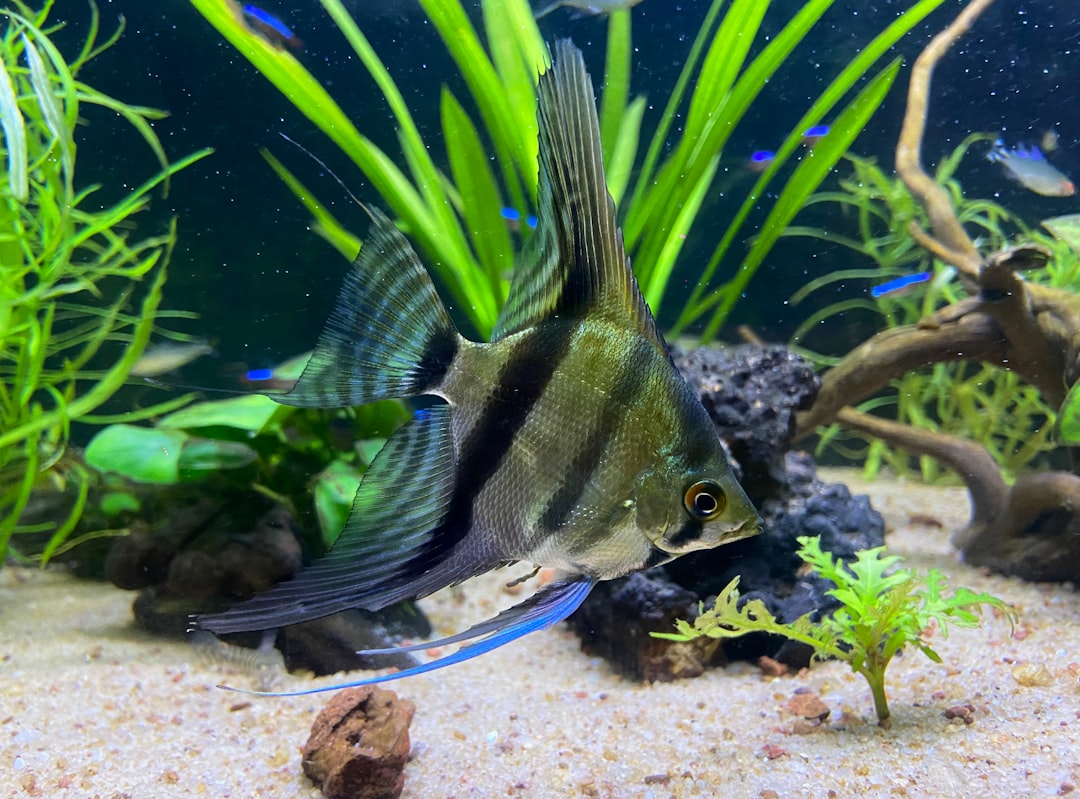
Keeping a fish tank clean and healthy is not complicated, but it does demand consistency. Whether you have a modest desktop nano tank or a sprawling 4-foot planted aquarium, the principles of good maintenance remain the same: stable water parameters, regular cleaning, and attentive observation. This guide sits inside our broader Freshwater Aquarium Complete Beginner Hub reference.
At Gensou Premium Aquascaping, we have maintained hundreds of aquariums across Singapore, from residential condos to commercial lobbies. This guide distils everything we have learned into a practical, actionable framework that any beginner can follow.
Why Fish Tank Maintenance Matters More Than You Think
An aquarium is a closed ecosystem. Unlike a river or lake, there is no natural flow of fresh water to dilute waste. Every flake of uneaten food, every fish dropping, and every decaying leaf contributes to a rising concentration of ammonia, nitrite, and nitrate. Without regular intervention, these compounds reach toxic levels — often before you notice any visible signs of trouble.
The most common cause of fish death in home aquariums is not disease. It is poor water quality caused by inconsistent maintenance. The good news is that a well-maintained tank is actually less work than a neglected one, because you spend your time preventing problems rather than scrambling to fix emergencies.
Essential Fish Tank Maintenance Equipment
Before we get into the routines, make sure you have the right tools on hand. You do not need to spend a fortune, but cutting corners on test kits or water conditioners is a false economy.
- Water test kit — A liquid test kit (API Master Test Kit or equivalent) for ammonia, nitrite, nitrate, and pH. Strip tests are convenient but less accurate.
- Gravel vacuum / siphon — Essential for removing debris from the substrate during water changes.
- Algae scraper or magnetic cleaner — For keeping glass panels clear.
- Buckets — Dedicated buckets that have never held soap or chemicals. Label them clearly.
- Water conditioner — Critical in Singapore, where PUB-treated tap water contains chloramine (more on this below).
- Replacement filter media — Sponges, ceramic rings, or bio-media appropriate for your filter type.
- Thermometer — A simple but often overlooked tool for monitoring temperature stability.
You can find all of these essentials in our online shop, curated specifically for the Singapore aquarist.
The Daily Maintenance Checklist
Daily tasks take no more than two to three minutes. Think of them as a quick health check rather than a chore.
1. Observe Your Fish
This is the single most valuable thing you can do. Spend a moment watching your fish during feeding. Are they all present and accounted for? Are they eating with enthusiasm? Look for clamped fins, unusual spots, erratic swimming, or fish hiding when they are normally active. Early detection of illness can mean the difference between a simple treatment and a tank-wide crisis.
2. Check Equipment
Glance at your filter output — is the flow rate normal? Is the heater light cycling on and off as expected? Is the air pump running? Check your thermometer reading. In Singapore, where ambient temperatures regularly hit 30 to 32 degrees Celsius, a malfunctioning fan or chiller can push water temperatures into dangerous territory within hours.
3. Feed Appropriately
Feed only what your fish can consume within two to three minutes. In our warm climate, uneaten food decomposes rapidly, spiking ammonia levels faster than it would in a cooler environment. If food is sinking to the bottom untouched, you are overfeeding — reduce the quantity at the next meal.
4. Top Off Evaporated Water
Singapore’s heat accelerates evaporation significantly. A rimless tank in an air-conditioned room can lose 2 to 3 centimetres of water per week; in a naturally ventilated space with fans, even more. Top off with treated fresh water, but remember that evaporation only removes water — not dissolved minerals. This means topping off without regular water changes will gradually increase mineral concentration.
The Weekly Maintenance Routine
Set aside 30 to 45 minutes once a week. Pick a consistent day so it becomes a habit rather than a task you keep postponing.
1. Perform a Partial Water Change (20 to 30 Percent)
This is the single most important maintenance task for any aquarium. Use a gravel vacuum to siphon water from the substrate, removing accumulated debris as you go. Replace with fresh water that has been treated with a quality dechlorinator.
Singapore-specific note: PUB treats our tap water with chloramine, not just chlorine. Chloramine is more stable and will not gas off if you simply let water sit overnight. You must use a water conditioner that specifically neutralises chloramine — products like Seachem Prime or API Tap Water Conditioner are reliable choices. Never skip this step. Chloramine is directly toxic to fish and will destroy your biological filtration.
2. Test Your Water Parameters
At minimum, test for ammonia, nitrite, and nitrate weekly. In a cycled, established tank, ammonia and nitrite should always read zero. Nitrate should ideally stay below 20 ppm for most tropical fish, and below 10 ppm for sensitive species and shrimp. If your nitrate is climbing above 40 ppm between water changes, increase the volume or frequency of your changes.
3. Clean the Glass
Use an algae scraper or magnetic cleaner to remove any algae film from the glass before your water change. This way, the debris you dislodge gets removed with the siphoned water rather than floating around the tank.
4. Trim and Maintain Live Plants
If you keep a planted aquarium, weekly trimming keeps growth tidy and ensures light reaches lower-growing plants. Remove any dead or yellowing leaves promptly — decaying plant matter contributes to nutrient buildup just like uneaten food. Stem plants may need topping and replanting to maintain density.
5. Inspect the Filter Intake
Check that the filter intake is not clogged with plant debris, snail shells, or other obstructions. A partially blocked intake reduces flow rate and compromises filtration efficiency.
The Monthly Maintenance Schedule
1. Clean Your Filter (But Carefully)
This is where many beginners make a critical mistake. Your filter is home to billions of beneficial bacteria that convert toxic ammonia into less harmful nitrate. Never rinse filter media under tap water — the chloramine in Singapore tap water will kill these bacterial colonies instantly.
Instead, rinse mechanical filter media (sponges, floss) in a bucket of old tank water that you have just siphoned out. Squeeze the sponge gently to remove accumulated gunk, then return it to the filter. Never replace all filter media at once. If your media is truly spent, swap out only one piece at a time, allowing bacteria to recolonise from the remaining media.
2. Deep-Clean the Substrate
During your monthly maintenance, vacuum the substrate more thoroughly than your weekly sessions. Pay attention to corners, areas behind hardscape, and spots under dense plant growth where debris tends to accumulate. In planted tanks with nutrient-rich substrates like ADA Amazonia, vacuum the surface gently without disturbing the deeper layers.
3. Inspect and Clean Lighting
Wipe down your light fixture and check for any dimming LEDs. Dust and water splashes on the light surface reduce output, which can affect plant growth and shift the balance toward algae. If you are running an older T5 or T8 fluorescent fixture, replace bulbs every 8 to 12 months as their spectrum shifts over time.
4. Check Tubing and Connections
Inspect all tubing for kinks, algae buildup, or brittleness. Singapore’s warm, humid conditions can accelerate the degradation of silicone tubing. Replace any tubing that looks discoloured, stiff, or cracked.
Seasonal Considerations for Singapore
Singapore does not have dramatic seasonal changes, but there are still cyclical patterns that affect your aquarium.
The Monsoon Months (November to January)
During the northeast monsoon, temperatures occasionally dip to 24 to 25 degrees Celsius at night, especially in naturally ventilated homes. For tropical fish this is usually fine, but if you keep species that are sensitive to temperature swings — discus, for example — monitor your thermometer and consider using a heater set to 27 or 28 degrees as a safeguard.
The Hot Season (March to May)
Daytime temperatures can push above 34 degrees Celsius, and tank water temperatures in non-air-conditioned rooms can climb to 31 or 32 degrees. At these temperatures, dissolved oxygen levels drop significantly. Increase surface agitation by adjusting your filter output or adding an air stone. Reduce feeding slightly, as fish metabolise faster in warmer water but their tolerance for waste is lower.
Year-Round: Humidity and Equipment
Singapore’s persistent humidity (often above 80 percent) is tough on electrical equipment. Check power strips, timers, and plug connections regularly for signs of corrosion. Use a drip loop on all cables to prevent water from travelling down the cord into the outlet.
Common Fish Tank Maintenance Mistakes to Avoid
Overcleaning
A tank that is too clean is almost as problematic as a dirty one. Scrubbing every surface, replacing all filter media, and performing massive water changes in a single session can crash your biological filtration and trigger a dangerous ammonia spike. Maintenance should be regular and moderate, not infrequent and aggressive.
Ignoring the Nitrogen Cycle
If you do not understand the nitrogen cycle — the biological process by which ammonia is converted to nitrite and then to nitrate — you are essentially flying blind. Every maintenance decision you make should be informed by an understanding of this cycle. Test your water, learn what the numbers mean, and respond accordingly.
Using Soap or Household Cleaners
Never use soap, detergent, or household cleaning products on anything that goes into your tank. Even trace residues can be lethal to fish. Clean aquarium equipment with tank water, vinegar (for mineral deposits), or dedicated aquarium-safe products only.
Neglecting Quarantine
New fish should be quarantined for two to four weeks before being introduced to your main tank. This single practice prevents the vast majority of disease outbreaks. A simple 10-gallon tank with a sponge filter is all you need.
When to Call a Professional
Some situations are beyond the scope of routine maintenance. Persistent algae outbreaks, recurring disease, unexplained fish deaths, or a tank that simply never seems to stabilise despite your best efforts — these are signs that something systemic is off. A professional aquascaping service can diagnose root causes, perform deep maintenance, and set you on a sustainable path forward.
At Gensou, we offer custom aquascaping and maintenance services across Singapore. Whether you need a one-time deep clean or an ongoing maintenance contract, we bring the expertise and equipment to keep your aquarium thriving. Get in touch to discuss your tank’s needs.
Building Your Maintenance Habit
The best maintenance routine is one you actually follow. Start simple: commit to a weekly water change and daily observation. As these habits become second nature, layer in the monthly and seasonal tasks. Keep a simple log — even just a notebook by the tank — recording water test results, water changes performed, and anything unusual you observed. Over time, this log becomes an invaluable reference that helps you spot trends and prevent problems before they start.
A well-maintained aquarium is a joy to own. The water is crystal clear, the fish are vibrant and active, and the entire system hums along with minimal drama. It does not require hours of work — just a few minutes of consistent attention, the right tools, and a basic understanding of what is happening beneath the surface.