
Galaxy Rasbora Care Guide: The Tiny Jewel of Planted Tanks
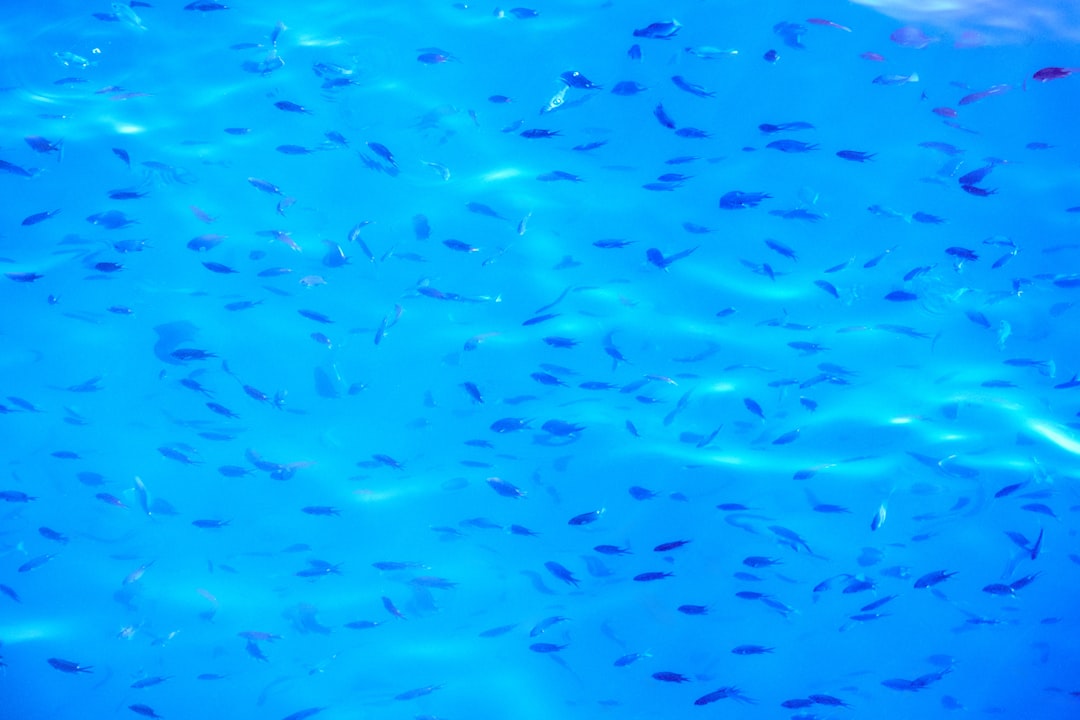
When Danio margaritatus was first described by ichthyologist Tyson Roberts in 2006, the aquarium world collectively lost its composure. Photographs of this tiny fish — barely 2 centimetres long, its midnight-blue body scattered with pearlescent gold spots like a fragment of the night sky — seemed too extraordinary to be real. Some hobbyists initially suspected the photos were digitally enhanced. They were not. This guide sits inside our broader Tropical Fish Species Master Index reference.
Commonly known as the galaxy rasbora or celestial pearl danio (CPD), this fish was discovered in small, shallow pools near Hopong in Shan State, Myanmar. Its description triggered a collecting frenzy so intense that within a year, conservationists raised concerns about the sustainability of wild harvesting. Fortunately, the species proved to be an eager breeder in captivity, and today virtually all galaxy rasboras in the hobby are captive-bred.
For planted tank enthusiasts and aquascapers, the galaxy rasbora is close to a perfect fish: small enough for nano tanks, stunningly coloured, peaceful, and spectacularly photogenic against a backdrop of green plants and natural hardscape. But there is one significant obstacle for keepers in Singapore: temperature.
Species Overview
| Attribute | Detail |
|---|---|
| Scientific Name | Danio margaritatus |
| Common Names | Galaxy Rasbora, Celestial Pearl Danio (CPD) |
| Family | Cyprinidae |
| Origin | Shan State, Myanmar; also found in northern Thailand |
| Max Size | 2–2.5 cm |
| Lifespan | 3–5 years |
| Temperament | Peaceful, shy |
| Min Tank Size | 40 litres (for a group of 10) |
| Diet | Omnivore (micro foods) |
Despite the common name “galaxy rasbora,” this fish is not actually a rasbora. It was placed in the genus Danio after genetic analysis confirmed its relationship to the danio family. However, the name galaxy rasbora has stuck in the hobby and remains the most widely used common name.
The Temperature Challenge in Singapore
This is the single most important section of this guide for readers in Singapore, and it is the reason many local hobbyists hesitate to keep this species.
Galaxy rasboras originate from high-altitude pools at around 1,000 metres elevation in Myanmar. Water temperatures in these habitats typically range from 20 to 26 degrees Celsius, with most sources suggesting an ideal range of 22 to 24 degrees. Singapore’s ambient water temperatures of 28 to 32 degrees are well above this comfort zone.
At sustained temperatures above 26°C, galaxy rasboras exhibit:
- Reduced colouration — the vibrant spots and fin markings fade noticeably
- Increased metabolic rate, leading to a shortened lifespan
- Greater susceptibility to disease
- Reduced willingness to breed
- General lethargy and loss of the active, inquisitive behaviour that makes them so appealing
Cooling Solutions That Work in Singapore
Aquarium cooling fans are the most accessible option. A quality clip-on fan blowing across the water surface can reduce temperatures by 2 to 4 degrees Celsius through evaporative cooling. In an air-conditioned room where ambient temperature is around 25°C, a cooling fan can bring water temperature into the acceptable range. The trade-off is increased evaporation — you will need to top off more frequently.
Aquarium chillers provide the most reliable solution. An inline chiller set to 24°C will maintain a rock-steady temperature regardless of ambient conditions. For a nano tank running galaxy rasboras, a small chiller unit (1/10 or 1/13 HP) is sufficient. The cost ranges from $300 to $600 for a quality unit, plus ongoing electricity costs. For serious hobbyists or aquascapers who want to keep cooler-water species long-term, a chiller is a worthwhile investment.
Room air-conditioning is often the simplest solution. If the tank is in a bedroom or study where air-conditioning runs for 8 to 12 hours daily, water temperatures typically stabilise around 25 to 27°C — workable for galaxy rasboras, though still at the warm end of their preference.
The bottom line: galaxy rasboras can be kept successfully in Singapore, but they require active temperature management. If you are not willing or able to provide cooling, consider warm-water alternatives like ember tetras, chili rasboras, or endlers — all of which offer similar appeal in a nano tank without the temperature constraint.
Tank Setup
Tank Size
Galaxy rasboras are tiny fish, but they are not suited to the very smallest nano tanks. A group of 10 (the minimum recommended number) does well in a 40-litre tank. For a group of 15 to 20 — which allows you to observe their full range of social behaviour — a 60-litre tank or larger is ideal.
Planting
In the wild, galaxy rasboras inhabit densely vegetated pools choked with aquatic plants and marginal grasses. Recreate this in the aquarium with abundant planting, particularly:
- Fine-leaved stem plants — Rotala rotundifolia, Ludwigia, Myriophyllum
- Carpeting plants — Monte Carlo, dwarf hairgrass, Marsilea
- Mosses — Java moss, Christmas moss (these also serve as spawning sites)
- Floating plants — Salvinia, duckweed, or frogbit to diffuse light and provide cover
Dense planting is not merely aesthetic — it is functional. Galaxy rasboras are shy fish, and without ample plant cover they will spend most of their time hiding behind the filter or in the darkest corner of the tank. With dense planting, they gain the confidence to swim in the open, display their colours, and exhibit natural behaviour.
Hardscape
A natural-style aquascape with driftwood branches, small stones, and a carpet of plants perfectly complements galaxy rasboras. Avoid large, imposing rocks or minimalist iwagumi layouts — these fish look and behave best in lush, Nature Aquarium-style setups.
Lighting
Moderate lighting works best. Under very bright light, galaxy rasboras tend to wash out and become shy. Under moderate lighting — especially with floating plants providing dappled shade — their spots fluoresce beautifully and they are much more active. A planted tank light running at 60 to 70 percent intensity is usually the sweet spot.
Filtration and Flow
Galaxy rasboras come from still or slow-moving water. Strong filter currents will stress them. Use a gentle sponge filter, a small hang-on-back filter with reduced flow, or a canister filter with a spray bar aimed at the glass to diffuse the current. If your fish are constantly fighting the flow or clustering in dead spots, the current is too strong.
Water Parameters
| Parameter | Ideal Range |
|---|---|
| Temperature | 22–24°C (max 26°C) |
| pH | 6.5–7.5 |
| GH | 5–15 dGH |
| KH | 3–8 dKH |
| Ammonia / Nitrite | 0 ppm |
| Nitrate | <20 ppm |
Singapore’s tap water pH (around 7.0 to 8.0) and hardness are generally acceptable for galaxy rasboras. The temperature is the only parameter that requires active intervention.
Feeding
Galaxy rasboras have very small mouths, and this dictates their diet. Standard flake food is often too large for them to eat comfortably. Offer:
- Micro pellets — Crushed or micro-sized pellets that they can swallow whole.
- Frozen foods — Baby brine shrimp, daphnia, and cyclops are eagerly accepted and bring out the best colouration.
- Live foods — Freshly hatched brine shrimp (Artemia nauplii), micro worms, and vinegar eels are the ultimate diet for conditioning and colour enhancement.
- Crushed flake — Acceptable as a staple, but finely crushed.
Feed small amounts twice daily rather than one large feeding. Galaxy rasboras are not aggressive feeders and can be outcompeted at mealtimes by faster or larger tank mates. If housed in a community tank, target-feed them using a pipette or feeding dish to ensure they get their share.
Behaviour and Social Dynamics
Galaxy rasboras are shoaling fish, but they are not tight schoolers in the way that neon tetras or rummy-nose tetras are. Instead, they form loose aggregations, with individuals maintaining personal space while staying within visual contact of the group.
Males are territorial in a low-stakes way. A dominant male will claim a small patch of territory (often around a clump of moss or a particular plant) and display to rivals by flaring his fins and intensifying his colours. These confrontations rarely involve physical contact — they are mostly posturing. Having multiple males is fine as long as the tank is large enough and sufficiently planted for each male to establish a small territory.
Males are noticeably more colourful than females, with deeper blue bodies, brighter spots, and vivid red-orange fin markings. Females are slightly rounder-bodied and duller in colour, with less distinct fin patterns. Both sexes are beautiful, and a mixed group provides the most interesting social dynamics.
Breeding Galaxy Rasboras
Galaxy rasboras are one of the easiest egg-scattering species to breed in captivity, which is fortunate given the conservation concerns around wild collection. Breeding occurs naturally in a well-maintained, densely planted tank with a healthy group of males and females.
Spawning
Males court females with displays and chasing. The female scatters a small number of eggs (5 to 30 per spawning event) among fine-leaved plants or moss. The eggs are adhesive and stick to plant surfaces. Spawning typically occurs in the morning hours, shortly after lights come on.
Egg and Fry Care
The adults will eat their own eggs and fry, so if you want to raise offspring, there are two approaches:
- Dedicated breeding tank: Set up a small tank (10 to 20 litres) with a sponge filter, a thick layer of Java moss, and a pair or trio (one male, two females). Remove the adults after spawning is observed. Eggs hatch in 3 to 4 days at 24°C.
- Let nature take its course: In a heavily planted tank, some fry will inevitably survive by hiding in the moss and plant thickets. You may notice tiny fry appearing occasionally without any deliberate effort. This is the low-maintenance approach.
Fry are tiny and need microscopic food for the first week: infusoria, paramecium, or commercial liquid fry food. After one to two weeks, they can take freshly hatched brine shrimp. Growth is steady but not fast — juveniles reach adult colouration at around 3 months of age.
Tank Mates
Galaxy rasboras are peaceful but tiny and shy. Choose tank mates that will not intimidate, outcompete, or eat them.
Excellent Tank Mates
- Ember tetras (Hyphessobrycon amandae)
- Chili rasboras (Boraras brigittae)
- Pygmy corydoras (Corydoras pygmaeus)
- Otocinclus catfish
- Amano shrimp and cherry shrimp
- Nerite snails
Acceptable Tank Mates
- Other small, peaceful rasboras (harlequin rasbora, lambchop rasbora)
- Small tetras (green neon tetra, cardinal tetra)
- Sparkling gourami (Trichopsis pumila)
- Endler’s livebearers
Avoid
- Any fish large enough to eat them (most fish over 6 cm)
- Aggressive or territorial species (bettas, dwarf cichlids)
- Fast, boisterous swimmers that will stress them (danios, barbs)
Common Health Issues
Faded Colouration
The most common complaint. Causes include high temperatures (above 26°C), stress from aggressive tank mates, excessive lighting, poor diet, or a new environment. Address the underlying cause and colours should return within a week or two. Frozen and live foods significantly enhance pigmentation.
Ich (White Spot Disease)
Galaxy rasboras are susceptible to ich, particularly after temperature fluctuations. In Singapore, sudden weather changes or air-conditioning cycling on and off can create temperature swings that trigger outbreaks. Treat with a half-dose of ich medication (these are small, sensitive fish) and stabilise the temperature.
Internal Parasites
Captive-bred specimens occasionally arrive with internal parasites, manifesting as a skinny body despite eating well. A course of anti-parasitic food (medicated with praziquantel or levamisole) usually resolves this.
Creating the Perfect Galaxy Rasbora Tank
If we were designing the ideal galaxy rasbora setup for a Singapore home, here is what it would look like:
- A 60-litre rimless tank with a chiller set to 24°C
- ADA Amazonia substrate with a Monte Carlo carpet
- A few pieces of small driftwood draped with Christmas moss
- Dense background planting of Rotala and Ludwigia
- Floating Salvinia for dappled light
- A gentle sponge filter or small canister with a lily pipe
- 15 to 20 galaxy rasboras, a small group of pygmy corydoras, and a handful of Amano shrimp
- Moderate LED lighting on a timer, 7 hours daily
This is exactly the kind of setup we design and build at Gensou’s custom aquascaping service. From selecting the right equipment for Singapore conditions to sourcing healthy livestock and maintaining the tank long-term, we handle every detail. Browse our shop for the plants, hardscape, and equipment you need, or contact us to discuss a custom build tailored to your space and vision.
The galaxy rasbora is a fish that rewards patience and attention to detail. Get the temperature right, provide a lush planted environment, and feed well — and you will be rewarded with one of the most visually stunning nano fish in the hobby, right here in the tropics.



