Aquarium Disease Saprolegnia Glossary Guide: Water Mould Fungus
The white cotton-wool tufts on a damaged scale are not a fungus, despite a century of pet shop labelling that says otherwise. Aquarium saprolegnia explained properly turns on a single biological correction — saprolegnia is a water mould (oomycete), more closely related to brown algae than to true fungi. That distinction changes which treatments work and which are wasted. This glossary entry on aquarium saprolegnia explained from Gensou Aquascaping at 5 Everton Park covers the biology, identification, and effective salt-and-dye protocols used in Singapore tanks.
Definition in 50 Words
Saprolegnia is a genus of water moulds (oomycetes) commonly mistaken for fungus. Spores are ubiquitous in aquatic systems and only colonise damaged or weakened fish tissue. Infection appears as fluffy, white, cotton-wool-like growth on wounds, eggs or gills. It is opportunistic — a marker of upstream stress rather than a primary pathogen.
Why It Is Not a Fungus
Oomycetes have cellulose-based cell walls (true fungi use chitin), produce motile zoospores with two flagella, and synthesise lysine through a different metabolic pathway. Antifungals like fluconazole or ketoconazole are largely ineffective. The distinction matters when choosing aquarium meds — products labelled “antifungal” containing methylene blue or malachite green work because those dyes are broad-spectrum oxidising agents, not because they target true fungi.
Appearance and Identification
Classic saprolegnia presents as fluffy, off-white to grey patches resembling damp cotton wool, typically on injured fins, scrape sites, eyes or gill margins. Fish eggs covered in saprolegnia look like grey balls of fuzz. Under microscopy at 100x, the hyphae are non-septate and produce distinctive sporangia at the tips. Bacterial columnaris can mimic the fluffy appearance but is generally more yellow and faster-spreading.
Triggers for Infection
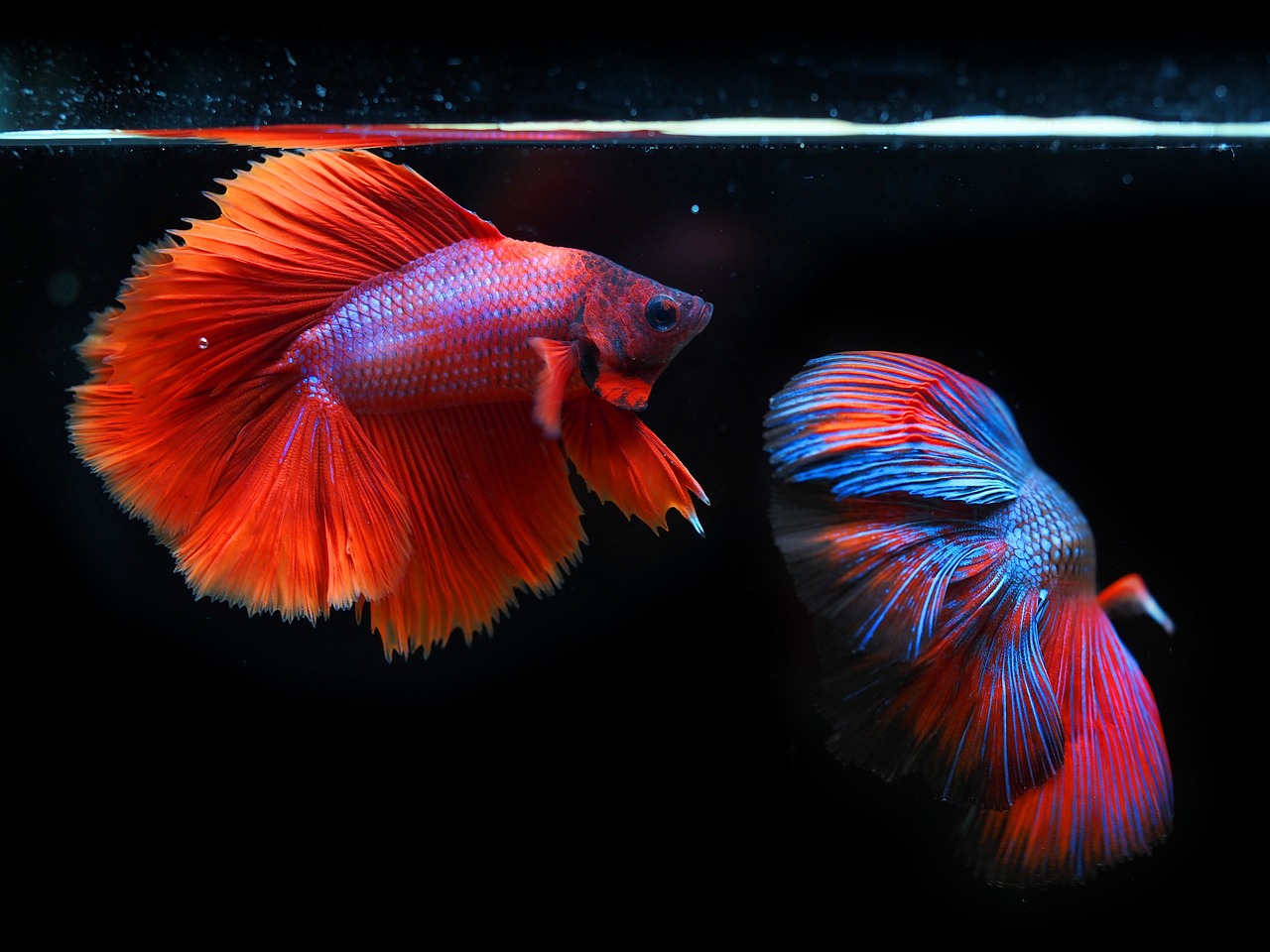
Saprolegnia spores are everywhere — in tap water, on substrate, on fish themselves. Outbreaks need a vulnerable host. Common triggers include physical injuries from rough handling or sharp décor, ammonia or nitrite damage to mucus coat, cold shock (more relevant in temperate tanks), and concurrent disease that compromises immunity. Long-finned strains like fancy goldfish and bettas are especially prone after fin nipping.
Salt Treatment Protocol
Aquarium salt at 1-3 grams per litre is the first-line treatment. Saprolegnia tolerates salinity poorly while most freshwater fish handle 1 g/L indefinitely. Dose by dissolving non-iodised aquarium salt — Crystal Sea, Seachem or even cooking-grade — in a jug of tank water before adding gradually over 12-24 hours. Avoid salt in tanks with scaleless catfish (Corydoras, plecos), tetras and live plants beyond brief baths.
Methylene Blue Dye
Methylene blue at 2-4 mg/L (3 drops per 4 litres of standard 1 per cent solution) stains the moulds and oxidises hyphae directly. It is safe for most species but kills nitrifying bacteria, so dose in a separate quarantine rather than the display tank. The water care range at Gensou stocks methylene blue alongside fish medications. Treatment cycle is typically 5-7 days with daily 25 per cent water changes.
Combined Approach
For aggressive cases, combine 1 g/L salt, 3 mg/L methylene blue and improved water quality (50 per cent change daily). Increase temperature to 28-30°C in temperate setups to accelerate fish healing — Singapore tanks are already there. Most lesions clear within 7-10 days; persistent cases suggest secondary bacterial infection requiring antibiotics like Furan-2 or kanamycin.
Egg Treatment
Saprolegnia on fish eggs can decimate a spawn in 24 hours. Methylene blue at 1-2 mg/L in the breeding tank stains all eggs but only kills the dead and infected ones — viable embryos resist the dye. Many breeders dose preventatively from the moment eggs are laid. Strong filtration and gentle airstone flow in the breeder, plus surfaces from the filtration range, also help.
Prevention
Fix the upstream cause. Smooth all sharp décor edges. Avoid mixing fin-nippers with long-finned species. Maintain ammonia at 0, nitrite at 0, and nitrate below 20 ppm. Add stress conditioner to all water changes — Seachem StressGuard protects mucus coat between changes. Quarantine new arrivals to break the chain of cross-contamination from busy local shops.
Singapore Tank Considerations
Tropical 28-30°C reduces saprolegnia outbreaks compared to colder climates because the moulds prefer 5-25°C optimum, but stressed fish in dirty tanks still develop infections. Soft PUB tap water has minimal natural mineralisation, so a permanent low-dose 0.5 g/L salt baseline in goldfish-only tanks gives gentle ongoing protection without harming hardy plants like java fern from the plant range.
Related Reading