
Types of Betta Fish: Complete Visual Guide to Every Variety
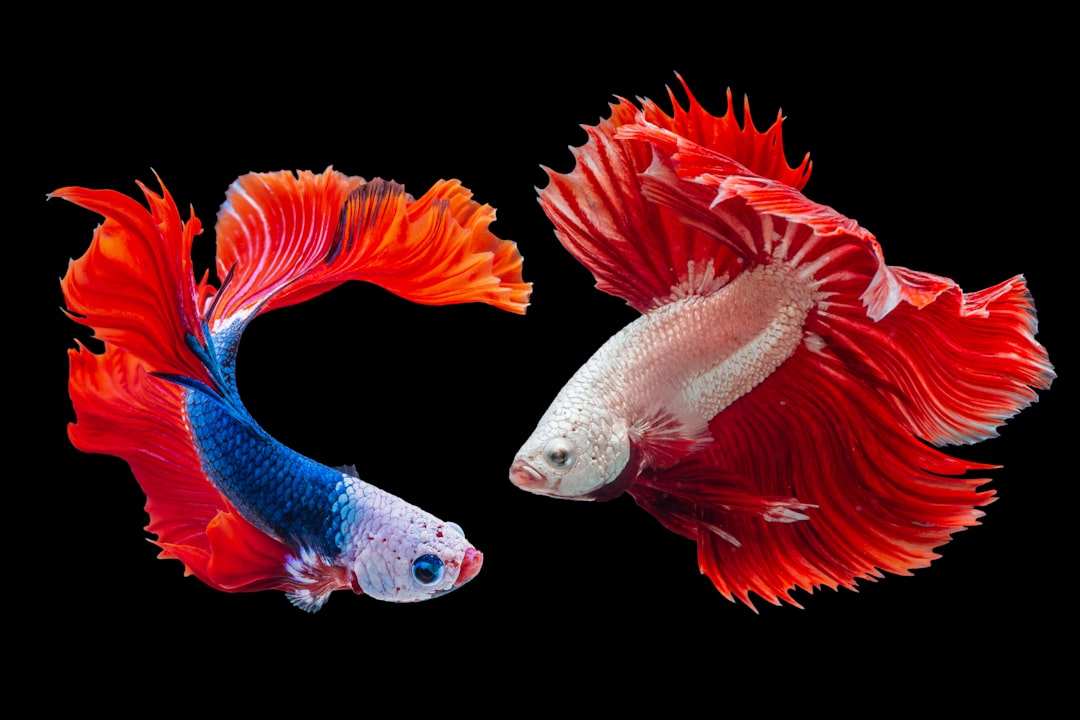
Walk into any aquarium shop in Singapore and you will see rows of bettas in individual containers, each one looking wildly different from the next. From flowing halfmoon tails to compact plakat fins, and from solid reds to kaleidoscopic koi patterns, the variety within Betta splendens is staggering.
This guide covers every major type of betta fish, organised by tail type and colour pattern, so you can identify what you are looking at and understand how care requirements differ between varieties.
Betta Fish Tail Types
Tail type is the primary way betta varieties are classified. Each type has been developed through selective breeding over decades, and they differ not just in appearance but in practical care considerations.
Halfmoon Betta
The halfmoon is one of the most sought-after tail types. When fully flared, the tail spreads to a full 180 degrees, forming a perfect “D” or half-circle shape. The dorsal and anal fins are also proportionally large and flowing.
Care note: Halfmoon bettas carry significant fin weight. They are slower swimmers than short-finned varieties and tire more easily. Strong filter currents can exhaust them, and their elaborate fins are more prone to tearing and fin rot. Provide plenty of resting spots near the surface, such as broad Anubias leaves or a betta hammock.
Crowntail Betta
Immediately recognisable by the dramatic spiky appearance of the fins. The webbing between fin rays is reduced, creating a crown-like or comb-like extension on the tail, dorsal, and anal fins. Crowntails have a bold, aggressive look that many hobbyists love.
Care note: The extended fin rays are delicate and prone to curling in poor water conditions. Maintain pristine water quality. Avoid rough decorations that could snag the ray tips.
Plakat Betta
The plakat (short-finned) betta is closest in appearance to wild bettas. The fins are short and compact, giving the fish a more streamlined, athletic look. Plakats are the strongest swimmers among domestic betta varieties.
Care note: Plakats are generally hardier and longer-lived than long-finned varieties. Their shorter fins are less susceptible to tearing and fin rot. However, they are more active and more likely to jump — a secure lid is essential. Plakats are also more agile and can be more aggressive, which matters if you are considering tank mates.
Veiltail Betta
The veiltail is the most common and widely available tail type. The tail droops downward in a flowing, asymmetric cascade. This is the variety most often seen in pet shops at lower price points.
Care note: Veiltails are hardy and forgiving of beginner mistakes. The drooping tail is genetic and cannot be “fixed” — it is simply the natural shape of the variety. They carry less fin weight than halfmoons and are slightly better swimmers.
Double Tail Betta
The double tail betta has its caudal fin split into two distinct lobes, creating the appearance of two separate tails. The dorsal fin is also significantly broader than in other varieties, sometimes nearly matching the size of the caudal fin.
Care note: Double tails often have shorter, more compact bodies, which can make them prone to swim bladder issues. Feed carefully and include fasting days. The broad dorsal fin can carry significant weight.
Delta and Super Delta Betta
Delta tail bettas have a triangular tail that spreads outward from the body but does not reach the full 180 degrees of a halfmoon. A super delta reaches close to 180 degrees but falls just short. These are attractive middle-ground varieties.
Care note: Similar to halfmoon care but slightly less demanding due to marginally reduced fin mass.
Rosetail and Feathertail Betta
Rosetails are essentially halfmoons with excessive branching in the fin rays, creating a ruffled, rose petal-like appearance. Feathertails take this even further, with even more pronounced branching.
Care note: While visually stunning, rosetails carry the heaviest fin load of any betta variety. They are the weakest swimmers and most prone to fin issues. These are high-maintenance fish best suited for experienced keepers who can maintain impeccable water quality.
Combtail Betta
A cross between a crowntail and another tail type. The webbing is reduced but not as dramatically as a full crowntail, creating a subtle spiky edge to otherwise full fins. These are sometimes produced accidentally in breeding projects.
Betta Fish Colour Types and Patterns
Independent of tail type, bettas come in an extraordinary range of colours and patterns. Here are the most popular varieties you will encounter in Singapore.
Koi Betta
One of the most popular and expensive colour patterns right now. Koi bettas display a marbled pattern of red, black, white, and sometimes blue or orange that resembles Japanese koi fish. Each koi betta is unique — no two have the same pattern.
Important note: Koi bettas carry the marble gene, which means their colouration changes over time. The stunning pattern you bought may shift significantly over weeks or months. This is normal and part of the appeal for many hobbyists, though it can be disappointing if you fell in love with a specific pattern.
Galaxy Koi Betta
A variation of the koi pattern that incorporates iridescent blue or green scales, creating a “galaxy” effect over the koi marbling. These are highly sought after in Singapore and command premium prices from specialty breeders.
Marble Betta
Marbles display irregular patches of colour on a light or white base. Like koi bettas, they carry the jumping gene and their patterns shift throughout their lives. A marble betta you buy as mostly white may develop extensive coloured patches within months.
Solid Colour Bettas
Clean, even colouration across the entire body and fins. Common solid colours include:
- Super Red: Deep, consistent red throughout
- Royal Blue: Rich, dark blue across all fins and body
- Black Orchid: Deep black with iridescent blue or purple highlights
- White/Platinum: Clean white or platinum across the entire fish
- Mustard Gas: Dark body (usually blue or green) with yellow or orange fins
Bi-Colour Betta
The body is one colour and the fins are a distinctly different colour, with a clean division between the two. True bi-colours have no bleeding or mixing of colours at the transition point.
Butterfly Betta
A specific bi-colour pattern where the fins display two distinct colour bands. Typically, the inner portion of the fin near the body is one colour, and the outer edge is white or cellophane, creating a striking banded effect. The division should be clean and symmetrical.
Dragon Scale Betta
Dragon scales feature thick, white or metallic scales covering the body, creating an armoured appearance. The fins are typically a contrasting colour. These are dramatic and popular but come with a health concern: dragon scale bettas are prone to developing diamond eye, where the thick scaling grows over the eyes and impairs vision.
Samurai Betta
A relatively newer variety featuring dragon scale patterning with a distinct metallic, armoured appearance, often in combinations of metallic platinum over dark red or blue. Increasingly available from Thai breeders supplying Singapore shops.
Wild Betta Species
Beyond the domestic Betta splendens, there are over 70 wild betta species. Some are occasionally available in Singapore through specialty shops and hobbyist groups:
- Betta imbellis: The peaceful betta. Less aggressive than splendens, can sometimes be kept in pairs or groups.
- Betta mahachaiensis: A wild species from Thailand tolerant of slightly brackish conditions.
- Betta smaragdina: The emerald betta. Beautiful green-blue iridescence.
- Betta albimarginata: A mouthbrooding species with striking white-edged fins.
Wild bettas generally prefer softer, more acidic water and lower temperatures than domestic splendens. They require more research and preparation but offer a fascinating alternative to standard varieties.
Choosing the Right Betta Type
When selecting a betta, consider your experience level and the setup you can provide:
- Beginners: Plakat or veiltail. Hardy, forgiving, and less prone to health issues.
- Intermediate: Halfmoon, crowntail, or koi varieties. Require consistent water quality but are manageable with routine maintenance.
- Advanced: Rosetail, dragon scale, or wild species. These demand experienced care and close attention to health.
Singapore Availability
Singapore is well-positioned in the betta market thanks to proximity to Thai breeders. Common veiltails and plakats are readily available in neighbourhood pet shops for a few dollars. Premium halfmoons, koi, and galaxy varieties are stocked by specialty aquarium stores and online sellers. High-end show-quality fish from named breeders can also be imported on request.
For more on keeping any of these varieties healthy, read our betta fish care guide and our article on betta fish lifespan.
Find Your Perfect Betta
Whether you are drawn to the dramatic sweep of a halfmoon, the bold spikes of a crowntail, or the shifting patterns of a koi betta, understanding what sets each variety apart helps you provide the right care from day one.
At Gensou, we help fishkeepers across Singapore build beautiful homes for their bettas. Explore our shop for tanks, plants, and supplies, or check out our custom aquascaping services to create a stunning planted betta tank designed specifically for your space. Questions about betta varieties or care? Get in touch — we are always happy to help.



