
Complete Betta Fish Care Guide: Housing, Feeding and Tank Mates
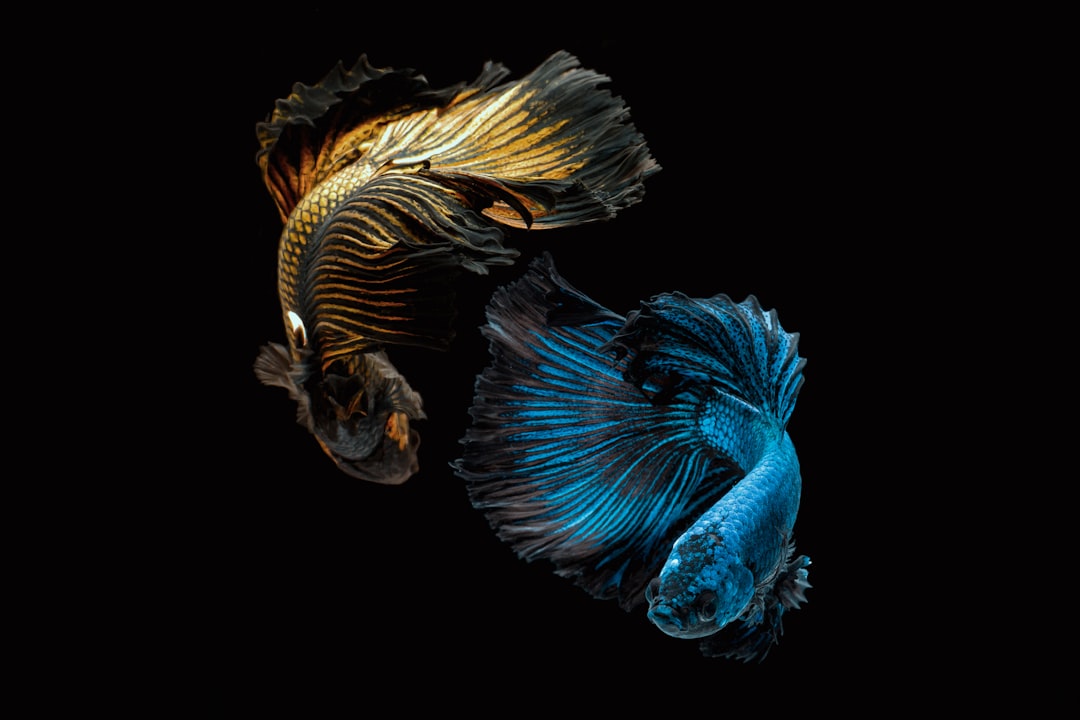
Betta fish — also known as Siamese fighting fish — are among the most popular freshwater fish in Singapore, prized for their vivid colours, flowing fins, and undeniable personality. Unfortunately, they are also among the most misunderstood. Outdated advice and persistent myths lead to bettas being housed in conditions that shorten their lives and suppress their natural behaviour. This guide sits inside our broader Freshwater Aquarium Complete Beginner Hub reference.
This guide covers everything you need to know to keep a betta fish healthy and thriving, with specific considerations for hobbyists in Singapore.
Debunking Common Betta Myths
Before we get into care specifics, let us address the misconceptions that cause the most harm:
Myth: Bettas Are Happy in Small Bowls or Vases
This is the single most damaging myth in the hobby. It persists because bettas can survive in small containers — they are labyrinth breathers, capable of gulping atmospheric air, which allows them to endure oxygen-poor water. But survival is not the same as health. A betta in a 1-litre bowl is stressed, prone to disease, and living a dramatically shortened life.
In the wild, bettas inhabit rice paddies and slow-moving streams that are shallow but span large areas. They are not confined to puddles. A minimum tank size of 10 litres is the absolute floor for a single betta, with 20 litres or more being far more appropriate. At this volume, you can maintain stable water parameters, provide adequate swimming space, and include plants and hiding spots that reduce stress.
Myth: Bettas Do Not Need a Heater
Bettas are tropical fish that thrive at 24 to 28 degrees Celsius. In Singapore, ambient temperatures often keep unheated tanks within this range — but there is an important exception. If your tank is in an air-conditioned room, water temperature can drop to 22 degrees Celsius or lower during the night. A betta exposed to sustained low temperatures becomes lethargic, loses appetite, and becomes vulnerable to diseases like ich and fin rot.
If your betta tank is in an air-conditioned bedroom or office, invest in a small adjustable heater. For tanks under 20 litres, a 25-watt heater is typically sufficient. Set it to 26 degrees Celsius and use a separate thermometer to verify.
Myth: Bettas Do Not Need a Filter
A filter is essential for any fish tank, bettas included. Without biological filtration, ammonia and nitrite from fish waste accumulate rapidly — both are toxic even at low concentrations. In a small unfiltered bowl, these toxins reach dangerous levels within days.
Choose a gentle filter. Bettas are not strong swimmers, especially long-finned varieties, and powerful currents stress them. A small sponge filter powered by an air pump is ideal — it provides biological filtration and gentle water movement without creating a current the fish cannot escape.
Setting Up a Betta Tank in Singapore
Tank Size and Equipment
- Tank: 20 litres minimum recommended; 40 litres is ideal for a planted betta community
- Filter: Sponge filter or hang-on-back filter with adjustable flow (set to lowest)
- Heater: Only necessary in air-conditioned rooms (25 to 50 watts depending on tank volume)
- Light: Low to medium intensity LED; bettas do not need intense light, but live plants do
- Lid or cover: Essential — bettas are jumpers, especially when stressed or in a new environment
Water Preparation
Singapore’s PUB-treated tap water contains chloramine, which is toxic to fish and does not dissipate by simply aging the water. You must treat all tap water with a water conditioner that neutralises chloramine before adding it to your tank. Seachem Prime is the most widely recommended product — it detoxifies chloramine, chlorine, and heavy metals in a single dose.
Singapore tap water parameters (pH around 7.0 to 7.5, soft to moderately soft) are well within the acceptable range for bettas. No need for pH adjusters or special water treatments beyond dechlorination.
Plants and Decorations
Bettas benefit enormously from a planted tank. Live plants provide hiding spots (reducing stress), improve water quality by absorbing nitrates, and create a more natural, enriching environment. Excellent plant choices for a betta tank include Java Fern, Anubias, Java Moss, and Cryptocoryne — all low-light, low-maintenance species.
Avoid sharp plastic decorations that can tear delicate betta fins. If you use artificial plants, choose silk rather than hard plastic. Better yet, use live plants — they look superior and contribute to water quality.
Feeding Your Betta
Bettas are carnivores with small stomachs. Overfeeding is far more common and more dangerous than underfeeding.
What to Feed
- Staple diet: High-quality betta pellets (Hikari Betta Bio-Gold, Northfin Betta Bits, or New Life Spectrum Betta Formula). Look for pellets where whole fish or insect meal is the first ingredient, not fillers like wheat or soy.
- Supplementary foods: Frozen bloodworms, frozen brine shrimp, and freeze-dried daphnia. Offer these 2 to 3 times per week for variety.
- Avoid: Freeze-dried bloodworms as a sole diet (they can cause bloating if not pre-soaked) and low-quality flake foods.
How Much and How Often
Feed 2 to 3 pellets twice daily — that is all. A betta’s stomach is approximately the size of its eye. If pellets are sinking uneaten to the bottom, you are feeding too much. One fasting day per week (no food at all) helps prevent constipation and bloating, which are common betta health issues.
Tank Mates: Compatibility Guide
Male bettas are aggressive toward other male bettas and toward fish with long, colourful fins that they perceive as rivals. However, many bettas coexist peacefully with carefully chosen tank mates in an adequately sized tank (30 litres or more).
Tank Mate Compatibility
| Species | Compatibility | Min. Tank Size | Notes |
|---|---|---|---|
| Neocaridina Shrimp (Cherry Shrimp) | Good | 20 litres | Provide dense plant cover; some bettas may eat juveniles |
| Amano Shrimp | Very Good | 20 litres | Too large for most bettas to eat; excellent algae cleaners |
| Nerite Snails | Excellent | 10 litres | Ignored by bettas entirely; great algae control |
| Corydoras (Pygmy or Habrosus) | Good | 40 litres | Peaceful bottom dwellers; keep in groups of 6+ |
| Kuhli Loach | Good | 40 litres | Nocturnal, stays near the bottom; keep in groups of 3+ |
| Harlequin Rasbora | Good | 40 litres | Peaceful, active schooling fish; keep in groups of 6+ |
| Ember Tetra | Good | 40 litres | Small, peaceful, and not fin-nippy; keep in groups of 8+ |
| Male Guppy | Poor | N/A | Colourful flowing tails trigger aggression in most bettas |
| Tiger Barb | Very Poor | N/A | Notorious fin nippers; will harass and damage betta fins |
| Another Male Betta | Never | N/A | Will fight, often to the death |
Important: Individual bettas have different temperaments. Some are placid community fish; others attack anything that moves. Always have a backup plan — a spare tank or a divider — in case your betta does not tolerate its tank mates. Introduce the betta last to a tank that already has other inhabitants; this reduces territorial aggression.
Water Maintenance
Consistent water quality is the single most important factor in betta health.
- Water changes: 20 to 30 percent weekly in a filtered tank; 50 percent twice weekly in an unfiltered setup (though a filter is strongly recommended)
- Temperature: Maintain 24 to 28 degrees Celsius; use a heater if the room is air-conditioned
- Ammonia and Nitrite: Must always read 0 ppm — any detectable level indicates an uncycled or overloaded tank
- Nitrate: Keep below 20 ppm through regular water changes and live plants
- pH: 6.5 to 7.5 is ideal; Singapore tap water is suitable without modification
Invest in a liquid test kit (API Freshwater Master Test Kit is the standard). Test strips are less accurate and more expensive per test over time.
Common Health Issues
Fin Rot
Black or ragged edges on fins, often caused by poor water quality or stress. Treatment: improve water quality with more frequent water changes. In severe cases, dose with an antibacterial medication like Seachem Kanaplex.
Ich (White Spot Disease)
Small white dots covering the body and fins. Raise the temperature to 30 degrees Celsius (Singapore’s ambient warmth helps here) and treat with a malachite green or formalin-based medication. Remove any carbon from your filter during treatment.
Swim Bladder Disorder
The fish floats sideways, sinks, or struggles to maintain a normal position. Often caused by overfeeding or constipation. Fast the fish for 2 to 3 days, then offer a small piece of blanched, deshelled pea as a laxative.
Where to Get Your Betta Setup
If you are looking for quality tanks, plants, and equipment for your betta setup, explore our shop for a curated range of products suited to betta keeping. For a beautifully designed planted betta tank created for you, our custom aquascaping service can build something truly special — a living piece of art that also provides the perfect habitat for your fish.
Questions about betta care or setting up your first tank? Contact us any time — we love talking fish.



