



How to Propagate Aquarium Plants: Division, Cuttings and Runners
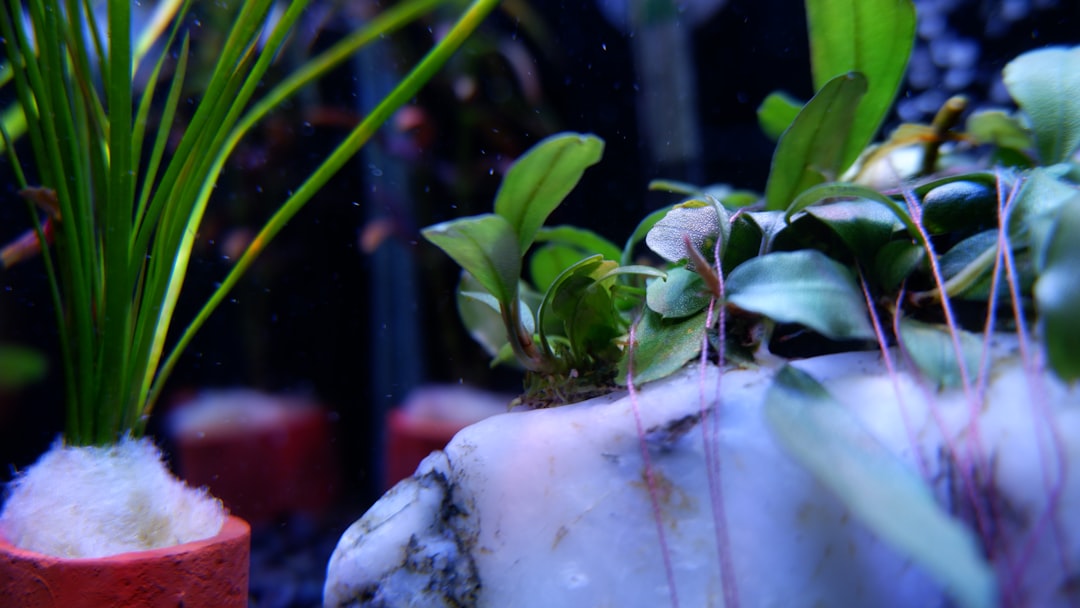
Table of Contents
- Introduction to Plant Propagation
- Essential Tools
- Method 1: Stem Plant Cuttings
- Method 2: Runner Propagation
- Method 3: Rhizome Division
- Method 4: Plantlets and Adventitious Growth
- Method 5: Crown Division
- What About Tissue Culture at Home?
- Propagation Method by Common Species
- Frequently Asked Questions
Introduction to Plant Propagation
One of the most rewarding aspects of keeping a planted aquarium is watching your collection grow, literally. Nearly every aquarium plant can be propagated at home using simple techniques that require no special equipment beyond a sharp pair of scissors and basic aquascaping tools. Once you understand which method applies to each plant type, you can multiply your stock, fill bare spots, share with fellow hobbyists, and reduce your spending at the plant shop.
Different plant types reproduce through different mechanisms, and applying the wrong technique to the wrong plant can damage or kill it. Stem plants propagate through cuttings. Carpet plants spread via runners. Rhizome plants like Anubias and Java fern are divided along their rhizome. And some species produce ready-made baby plants, called plantlets, that can be separated and replanted with minimal effort.
This guide covers every major propagation method used in the aquarium hobby, with step-by-step instructions and species-specific recommendations. Whether you are growing plants in a nano tank in your HDB flat or maintaining a large display aquarium in your condominium, these techniques will help you get the most from your planted tank investment.
Essential Tools
Successful plant propagation starts with the right tools. Clean, sharp implements produce clean cuts that heal quickly and minimise the risk of infection or rot.
| Tool | Purpose | Recommendation |
|---|---|---|
| Curved scissors | Trimming and cutting stem plants | Stainless steel, 25 cm for standard tanks |
| Straight scissors | Precision cuts on carpet and small plants | Spring-loaded for comfort during long sessions |
| Aquascaping tweezers | Planting small portions and plantlets | Long, fine-tipped, stainless steel |
| Razor blade or scalpel | Rhizome division | Single-use surgical blades for cleanliness |
| Small container | Holding cuttings during processing | Any clean bowl with dechlorinated water |
| Cyanoacrylate glue | Attaching rhizome divisions to hardscape | Aquarium-safe gel formula |
Always clean your tools before and after use. A quick rinse in hot water removes residue and reduces the chance of transferring diseases between plants. Never use rusty or corroded tools, as metal contamination can harm sensitive species.
Method 1: Stem Plant Cuttings
Stem plants are the easiest group to propagate. Any healthy stem plant can be multiplied simply by cutting the top portion and replanting it in the substrate. The cut top grows new roots and continues as an independent plant, while the original stump produces one or more side shoots from its remaining leaf nodes.
Step-by-Step Process
- Identify the cutting point. Choose a point on the stem 10 to 15 centimetres from the top, ideally just above a leaf node (the point where leaves emerge from the stem).
- Make a clean cut. Using sharp scissors, cut the stem cleanly at a slight angle. An angled cut exposes more stem surface area for root development.
- Remove lower leaves. Strip the leaves from the bottom 3 to 5 centimetres of the cutting. These buried leaves would rot in the substrate and potentially cause problems.
- Plant the cutting. Using aquascaping tweezers, push the stripped portion of the cutting into the substrate at a slight angle. Plant deep enough that the cutting stands upright without support.
- Manage the stump. Leave the original stump in place. Within 1 to 2 weeks, it will produce new side shoots from the highest remaining leaf nodes. These side shoots can themselves be cut and replanted once they reach 8 to 10 centimetres.
Best Stem Plants for Cutting Propagation
- Ludwigia repens and other Ludwigia species
- Rotala rotundifolia and other Rotala species
- Hygrophila polysperma and other Hygrophila species
- Bacopa caroliniana and Bacopa monnieri
- Limnophila sessiliflora
- Alternanthera reineckii (treated as a stem plant for propagation)
With regular topping and replanting, a single stem plant can produce dozens of new plants over several months. This makes stem plants the most cost-effective group for filling large background areas. Our plant shop stocks healthy starter stems that you can multiply at home.
Method 2: Runner Propagation
Many foreground and carpet plants spread by producing runners, horizontal stems that travel through or across the substrate and generate new plantlets at regular intervals. This is the primary propagation method for grassy and creeping species.
Step-by-Step Process
- Allow natural spreading. Healthy plants with adequate light, nutrition, and (ideally) CO2 produce runners automatically. No intervention is needed to initiate the process.
- Wait for establishment. Let each new plantlet develop its own root system and at least 3 to 4 leaves before considering separation. Premature separation weakens the plantlet.
- Separate if desired. Using sharp scissors, cut the runner between the mother plant and the daughter plantlet. Each is now an independent plant.
- Replant. Using tweezers, transplant the separated plantlet to a new location in the substrate. Press firmly enough to bury the roots but leave the crown exposed.
Tips for Faster Runner Production
- Ensure adequate light: Runner production accelerates under medium to high light. Low light slows or stops runner formation in many species.
- Feed the roots: Runner plants are typically root feeders. Nutrient-rich substrate or root tabs drive faster and more prolific runner production.
- Maintain CO2: While not always essential, CO2 injection noticeably increases the rate at which runners appear and develop.
- Guide runners: If runners are heading in unwanted directions, gently redirect them by pressing the runner into the substrate in your preferred direction using small stones or plant weights.
Species That Propagate by Runners
- Echinodorus tenellus (pygmy chain sword)
- Eleocharis acicularis (dwarf hairgrass) and Eleocharis mini
- Marsilea hirsuta and other Marsilea species
- Helanthium tenellum
- Vallisneria species
- Sagittaria subulata
- Cryptocoryne species (some produce runners in addition to crown offsets)
Method 3: Rhizome Division
Rhizome plants, those that grow from a thick, horizontal stem attached to hardscape, are propagated by cutting the rhizome into sections. This is the standard method for three of the most popular plant groups in the hobby: Anubias, Java fern (Microsorum pteropus), and Bucephalandra.
Step-by-Step Process
- Assess the rhizome. Ensure the rhizome is long enough to divide meaningfully. Each section should retain at least 3 to 4 healthy leaves and a portion of the root system. Very small divisions often fail.
- Locate the division point. Look for natural branching points or areas where the rhizome is slightly thinner. These are the easiest and cleanest places to cut.
- Make a clean cut. Using a sharp razor blade or scalpel, cut through the rhizome in a single, firm stroke. Avoid sawing or tearing, which damages the tissue and increases the risk of rot.
- Attach to hardscape. Use cyanoacrylate gel glue to attach each rhizome section to a new piece of rock or driftwood. Apply a small amount of glue, press the rhizome firmly onto the surface, and hold for 15 to 30 seconds. Alternatively, use cotton thread or fishing line to secure the rhizome.
- Position correctly. Orient each section with the growing tip (the end with the newest, smallest leaves) pointing in the direction you want the plant to grow. Ensure the rhizome is fully exposed and not buried in substrate.
Critical Rule: Never Bury the Rhizome
This point cannot be overemphasised. Burying the rhizome of Anubias, Java fern, or Bucephalandra in substrate causes it to rot and eventually kills the plant. The rhizome must remain exposed to the water column at all times. Attach it to hardscape where water can flow freely around it.
Recovery Timeline
After division, expect 2 to 4 weeks before the separated sections resume normal growth. During this recovery period, avoid moving or repositioning the plants. The cut surfaces heal and the plant redirects its energy to producing new leaves from the growing tip. Larger divisions with more leaves recover faster than smaller ones.
Method 4: Plantlets and Adventitious Growth
Some aquarium plants produce miniature copies of themselves, called plantlets or adventitious plants, on their leaves, stems, or roots. These baby plants grow while still attached to the mother plant, developing their own leaves and root systems before naturally detaching or being separated by the hobbyist.
Java Fern Plantlets
Java fern (Microsorum pteropus) is the most well-known example. Mature fronds develop dark spots (sori) on their undersides, which eventually produce tiny plantlets complete with leaves and roots. These plantlets can be left to grow on the mother leaf until they reach 3 to 5 centimetres, at which point they can be gently detached and attached to hardscape using glue or thread.
Old, deteriorating Java fern leaves often produce the most plantlets, as the dying leaf redirects its remaining resources into reproduction. Do not remove yellowing fronds that are bearing plantlets; let them continue nurturing the babies until they are large enough to survive independently.
Adventitious Growth in Other Species
- Microsorum pteropus (all varieties): Plantlets from leaf surfaces and broken rhizome fragments.
- Bolbitis heudelotii: Occasionally produces plantlets on mature frond tips, particularly in flowing water.
- Echinodorus species: Many sword plants produce flower stalks that bear plantlets at each node. Submerge the stalk and allow plantlets to develop roots before separating.
- Hygrophila difformis (Water wisteria): Leaf fragments that break off can develop into new plants under favourable conditions.
Method 5: Crown Division
Rosette plants that do not spread by runners or rhizomes can sometimes be propagated by dividing the crown. This applies to species like certain Cryptocoryne and Echinodorus that produce multiple growing points at the base of the plant.
Step-by-Step Process
- Uproot the plant carefully. Gently remove the entire plant from the substrate, taking care not to damage the root system.
- Identify separate crowns. Look for distinct growing points, each with its own set of leaves and roots. If only a single crown is present, the plant is not ready for division.
- Separate at the base. Using your fingers or a sharp blade, gently separate the individual crowns. Each division should have its own root system and at least 3 to 4 leaves.
- Replant each division. Plant each crown in nutrient-rich substrate at the same depth as the original plant. Ensure the crown (where leaves emerge from the root mass) sits at or just above the substrate surface.
Crown division is more stressful for plants than other methods, and recovery can take 3 to 6 weeks. Cryptocoryne species are particularly prone to melting after division, but they almost always recover fully given stable conditions and patience.
What About Tissue Culture at Home?
Home tissue culture is technically possible but entirely impractical for most hobbyists. The process requires a sterile laminar flow hood, autoclave or pressure cooker for sterilising media, specialised nutrient agar with plant hormones, sterile instruments, and a dedicated growing space with controlled temperature and lighting.
The cost of equipment alone exceeds what most hobbyists would spend on plants in years. The risk of contamination is extremely high without laboratory-grade sterile technique, and failed batches are common even among experienced practitioners.
For the vast majority of Singapore hobbyists, purchasing tissue culture plants from reputable producers like Tropica, Dennerle, or local TC farms is far more practical and cost-effective than attempting the process at home. Save your time and effort for the propagation methods described above, which require nothing more than sharp scissors and basic aquascaping tools. Our tissue culture guide covers everything you need to know about selecting and planting TC cups.
Propagation Method by Common Species
Use this reference table to quickly identify the correct propagation method for the plants in your collection.
| Plant | Primary Method | Difficulty | Time to New Plant |
|---|---|---|---|
| Anubias (all varieties) | Rhizome division | Easy | 2 – 4 weeks recovery |
| Java Fern (all varieties) | Rhizome division / plantlets | Easy | 2 – 6 weeks |
| Bucephalandra | Rhizome division | Easy | 3 – 6 weeks recovery |
| Ludwigia species | Stem cuttings | Very Easy | 1 – 2 weeks for roots |
| Rotala species | Stem cuttings | Very Easy | 1 – 2 weeks for roots |
| Cryptocoryne species | Crown division / runners | Moderate | 3 – 6 weeks recovery |
| Echinodorus species | Plantlets from flower stalks | Easy | 4 – 8 weeks |
| Dwarf hairgrass | Runners / clump division | Easy | 2 – 4 weeks |
| Monte Carlo | Runners / stem fragments | Easy | 2 – 3 weeks |
| Vallisneria | Runners | Very Easy | 1 – 3 weeks |
| Hygrophila species | Stem cuttings | Very Easy | 1 week for roots |
| Alternanthera reineckii | Stem cuttings / side shoots | Easy | 2 – 3 weeks |
Frequently Asked Questions
How long should stem cuttings be for successful propagation?
Aim for cuttings of 10 to 15 centimetres with at least 4 to 5 leaf nodes. Shorter cuttings of 5 to 8 centimetres can work for robust species like Hygrophila and Bacopa but may struggle with more sensitive plants like Rotala macrandra. Longer cuttings have more energy reserves and develop roots faster, leading to quicker establishment. Always remove the lowest 2 to 3 pairs of leaves before planting to prevent rotting beneath the substrate.
Can I propagate aquarium plants outside of water?
Yes. Many aquarium plants propagate well in emersed (above water) conditions, and some hobbyists maintain emersed propagation setups specifically for multiplying stock. In Singapore, our naturally high humidity of 70 to 90 percent makes emersed propagation particularly straightforward. Simply plant cuttings or divisions in moist substrate in a container with a clear lid to maintain humidity. Growth is faster emersed due to easier CO2 access, and the resulting plants are sturdier, though they will need to transition when moved to an aquarium.
When is the best time to propagate aquarium plants?
Propagate when plants are healthy and actively growing, not when they are stressed, newly planted, or recovering from a move. For stem plants, the best time to take cuttings is when the stems reach the water surface and need trimming anyway. For rhizome plants, propagate when the rhizome has grown long enough that each division retains at least 3 to 4 leaves. Avoid propagating immediately after a major water parameter change, tank move, or medication treatment, as stressed plants recover poorly from division.
Do propagated plants need special care compared to purchased plants?
Propagated plants from within your own tank require almost no special care because they are already adapted to your water conditions. They skip the transition and melt phase that newly purchased plants often experience. Simply place the cutting, division, or plantlet in its new location, ensure adequate light and nutrition reach the spot, and allow 1 to 3 weeks for root establishment. The only exception is crown divisions of sensitive species like Cryptocoryne, which may melt temporarily even within the same tank due to the stress of physical separation. Our aquascaping services team can assist with large-scale propagation projects if needed.
Grow Your Collection From Within
Plant propagation is one of the most satisfying skills in the aquascaping hobby. Once you master the basic techniques of stem cuttings, runner management, rhizome division, and plantlet separation, you will find that a modest initial plant investment can fill multiple tanks over time. The process is simple, requires minimal tools, and connects you more deeply with the living organisms in your aquarium.
Visit Gensou Aquascaping at 5 Everton Park, Singapore, for healthy starter plants, quality aquascaping tools, and expert advice on propagation techniques. With over 20 years of experience growing and propagating aquatic plants, our team can help you build a thriving planted tank collection from the ground up. Contact us today or visit the shop to get started.
Related Reading
- How to Propagate Anubias Nana Petite: Rhizome Division Guide
- Boron Deficiency in Aquarium Plants: Twisted Tips and Stunted Growth
- Calcium Deficiency in Aquarium Plants: Twisted New Growth
- Magnesium Deficiency in Aquarium Plants: Symptoms and Solutions
- Manganese Deficiency in Aquarium Plants: Pale Patches Between Veins



