
Arowana Care Guide for Singapore: The Dragon Fish
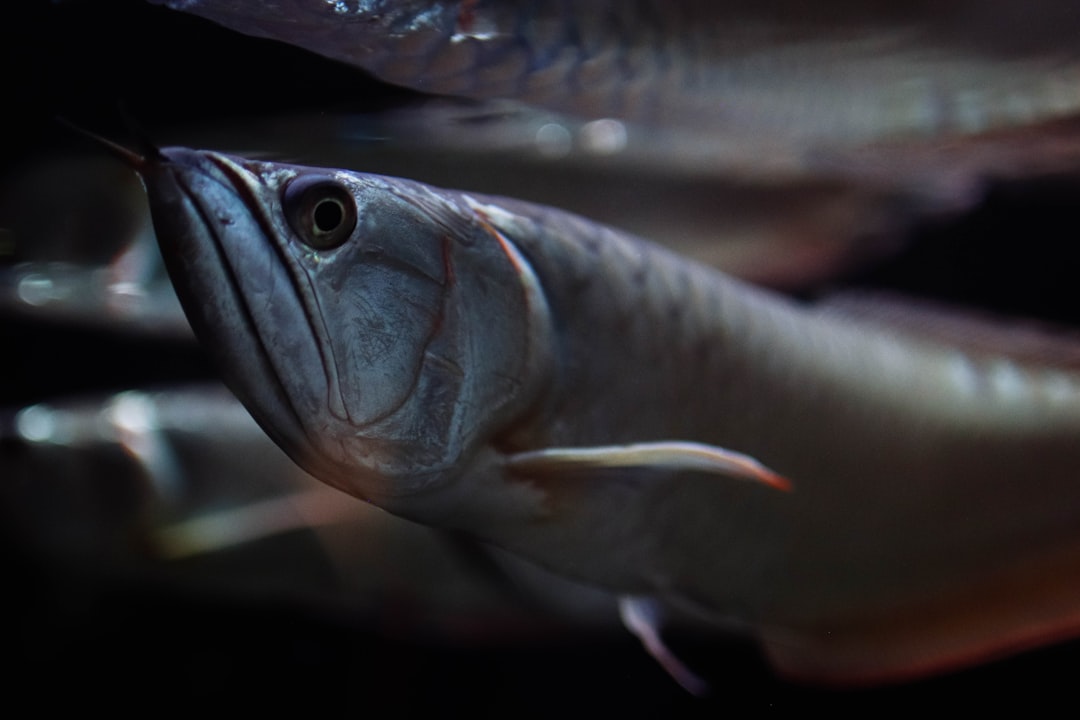
The Asian arowana is the undisputed king of the freshwater aquarium world in Southeast Asia. Known as the “dragon fish” for its large metallic scales, barbels and serpentine grace, the arowana is a symbol of power, prosperity and prestige. In Singapore, keeping an arowana is both a hobby and a cultural statement. This guide sits inside our broader Tropical Fish Species Master Index reference.
This arowana care guide for Singapore covers the practicalities of housing these magnificent fish — from legal requirements and CITES documentation to tank size, feeding and long-term care. If you are considering an arowana, understand the commitment before you begin.
About the Asian Arowana
The Asian arowana (Scleropages formosus) is a freshwater fish native to the slow-moving rivers and swamps of Southeast Asia. It is a surface predator — in the wild, it launches itself from the water to snatch insects, small birds and even bats from low-hanging branches. This jumping instinct remains fully intact in captivity.
Adults reach 60–90 cm in length. They are solitary by nature and fiercely territorial. The fish moves with a deliberate, dignified glide that, combined with its large reflective scales, has led to its association with the Chinese dragon — hence its common name.
Arowanas are long-lived. With proper care, they regularly exceed 20 years. Some documented specimens have lived beyond 30 years. This is a pet that will be with you for decades.
Legal Requirements in Singapore
The Asian arowana is listed under CITES Appendix I, meaning international trade in wild-caught specimens is banned. However, captive-bred individuals from licensed farms are legal to own and trade.
In Singapore, every legally sold Asian arowana must come with:
- A CITES certificate proving captive-bred origin
- An embedded microchip (PIT tag) for identification
- Documentation from the licensed farm of origin
Never purchase an arowana without proper documentation. Possessing an undocumented arowana is a serious offence under Singapore law. Reputable shops will always provide the necessary paperwork.
Arowana Varieties and Pricing
Asian arowana varieties are distinguished primarily by colour. Prices in Singapore range enormously based on variety, quality and bloodline.
| Variety | Colour Description | Typical Price (SGD) |
|---|---|---|
| Green Arowana | Silver-green scales, most affordable | $300–$800 |
| Red Tail Golden (RTG) | Gold scales to 4th row, red tail | $500–$2,000 |
| Cross Back Golden (CBG) | Gold scales cross the back (6th row) | $1,500–$8,000+ |
| Super Red | Deep crimson/blood-red scales | $2,000–$15,000+ |
| Platinum / Snow White | Extremely rare, pure white | $50,000+ |
Cross back goldens and super reds are the most coveted. Pricing depends on the intensity and evenness of colour, scale quality, body shape and barbel length. Show-quality specimens from championship bloodlines command extraordinary premiums.
Cultural Significance
In Chinese culture, the arowana’s resemblance to a dragon makes it a powerful symbol of wealth and authority. Red and gold varieties are particularly auspicious. Many Singaporean business owners keep arowanas in their offices, believing the fish attracts prosperity and wards off misfortune.
Tank Size and Setup
Arowanas require the largest tanks in the hobby. A juvenile may start in a 4-foot tank, but adults need far more space.
| Fish Size | Minimum Tank | Recommended Tank |
|---|---|---|
| Juvenile (under 20 cm) | 4 ft × 2 ft × 2 ft | 5 ft × 2.5 ft × 2 ft |
| Sub-adult (20–40 cm) | 5 ft × 2.5 ft × 2 ft | 6 ft × 2.5 ft × 2.5 ft |
| Adult (40 cm+) | 6 ft × 2.5 ft × 2.5 ft (600L+) | 8 ft × 3 ft × 2.5 ft |
An 8-foot tank is the gold standard for adult arowanas. The tank must be wide enough for the fish to turn comfortably — a minimum width of 2.5 feet (75 cm) is essential. Length alone is not enough.
The Lid: Non-Negotiable
Arowanas are powerful jumpers. In the wild, they leap to catch prey. In captivity, they jump when startled — by a loud noise, a sudden movement, or even a change in lighting. A heavy, secure lid with no gaps is absolutely essential. Weighted lids or clips prevent the fish from forcing it open. More arowanas die from jumping out of tanks than from disease.
Filtration
A sump filter is the standard for arowana tanks. The large water volume, combined with the fish’s heavy bioload, demands robust biological and mechanical filtration. Target 8–10 times turnover per hour. Overhead filters (OHF) are also popular among Singapore arowana keepers for their ease of maintenance.
For keepers planning a large arowana setup, our team can design and build a custom aquarium tailored to your space and specifications.
Water Parameters
Singapore’s tropical climate eliminates the need for heaters in most arowana setups. Ambient temperatures of 28–32°C fall within the fish’s preferred range.
| Parameter | Ideal Range |
|---|---|
| Temperature | 26–30°C |
| pH | 6.5–7.5 |
| Ammonia / Nitrite | 0 ppm |
| Nitrate | Below 30 ppm |
| GH | 5–15 dGH |
Always treat PUB tap water with a conditioner that neutralises chloramine. Weekly water changes of 20–30% maintain water quality. Some keepers perform smaller, more frequent changes (10% every 2–3 days) to keep parameters ultra-stable — arowanas are sensitive to sudden shifts.
Feeding
Arowanas are carnivorous surface feeders. In captivity, a varied diet ensures balanced nutrition and vibrant colouration.
Recommended Foods
- Market prawns — shell removed, a reliable staple available at any wet market
- Crickets and superworms — trigger natural hunting instinct
- Small frogs — a traditional arowana food in Singapore
- Pellets — high-quality arowana pellets (Hikari, Ocean Free) for convenience and nutritional balance
- Frozen smelt or whitebait — good variety
Foods to Avoid
- Feeder fish — high parasite risk; responsible keepers avoid them
- Large centipedes — sometimes offered for colour enhancement but carry disease risk
Feed adults once daily or every other day. Overfeeding causes obesity and drop-eye (a condition where the eye rotates downward, which is very common in overfed arowanas).
Health and Lifespan
Drop Eye
A common condition in captive arowanas where one or both eyes tilt permanently downward. Causes include overfeeding, fatty diet, watching food sink to the bottom and reflections in the tank glass. Prevention includes feeding at the surface, maintaining clean water and avoiding reflective tank bottoms.
Gill Curl
The gill cover flares outward, exposing the red gill tissue. Usually caused by poor water quality or high nitrate levels. Early cases can be reversed with improved water quality; severe cases may require surgical trimming by an experienced fish vet.
Scale Issues
Arowanas are prone to scale loss from jumping, fighting or scraping against decor. Scales usually regrow within a few months, though the replacement scale may differ slightly in colour. Minimise stress and keep the tank free of sharp objects.
Frequently Asked Questions
Can I keep an arowana in an HDB flat?
Yes, but space and floor loading are serious considerations. An 8-foot arowana tank with water, substrate and stand can weigh over 800 kg. Position it against a load-bearing wall and ideally on the ground floor. Some keepers consult an engineer for upper-floor installations. Space-wise, ensure adequate clearance for maintenance access.
How much does it cost to maintain an arowana?
Beyond the purchase price, ongoing costs include electricity for filtration and lighting (a large sump runs 24/7), food ($50–$150 SGD per month depending on diet), water conditioner and occasional equipment replacement. Budget approximately $100–$200 SGD per month for a single arowana setup.
Can I keep two arowanas together?
Arowanas are territorial and keeping two together often ends in severe injury or death. Some keepers maintain groups of five or more in very large tanks (10 feet+) to spread aggression, but this is an advanced and expensive approach. For most keepers, a single arowana is the safest choice.
Is a chiller needed for arowanas in Singapore?
No. Arowanas thrive at Singapore’s ambient temperature of 28–32°C. In fact, they prefer warm water. A chiller is unnecessary and would cool the water below the fish’s comfort zone.
Planning Your Arowana Setup?
An arowana is a long-term investment — in time, space and money. Getting the tank right from the start saves years of frustration. Whether you need a custom-built tank, filtration advice or help sourcing a quality specimen, visit Gensou at 5 Everton Park or contact us. With over 20 years of aquarium expertise in Singapore, we will help you give your dragon fish the home it deserves.
Related Reading



