Biotope Aquarium Guide: Recreating Natural Habitats
Table of Contents
- What Is a Biotope Aquarium
- Why Biotopes Are Rewarding
- How to Research a Biotope
- Popular Biotope Types
- Planning Your Biotope
- Sourcing Appropriate Species in Singapore
- Common Mistakes to Avoid
- Frequently Asked Questions
What Is a Biotope Aquarium
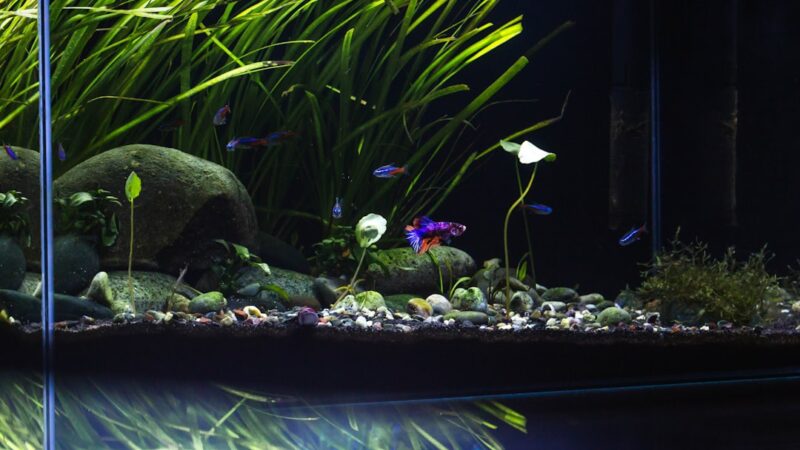
A biotope aquarium recreates a specific natural habitat as accurately as possible. Unlike a general community tank where fish from different continents coexist, or an aquascape focused primarily on aesthetic plant arrangement, a biotope aims to replicate a real place — a particular river, lake, stream or swamp — with the species, substrate, water chemistry and hardscape all sourced from (or representative of) that same region. This guide sits inside our broader Freshwater Aquarium Complete Beginner Hub reference.
The term “biotope” comes from ecology, referring to a defined area with uniform environmental conditions and a distinct community of organisms. In aquarium terms, this means everything in the tank belongs together naturally. The fish species, the plant species, the substrate type, the water parameters and even the hardscape materials should all be consistent with a single geographic location.
There is a spectrum of biotope accuracy:
- Strict biotope — Every element matches a specific collection site. Fish are identified to species and locality. Substrate replicates the actual riverbed. This is what competition judges look for.
- Regional biotope — Species and materials are all from the same broad geographic region (e.g., “Amazonian” or “Southeast Asian”), even if they might not coexist at the exact same collection point.
- Biotope-inspired — The overall aesthetic and species selection evokes a natural habitat, with some liberties taken for availability or personal preference.
All three approaches are valid. Even a loosely biotope-inspired setup is more ecologically thoughtful than a random community tank.
Why Biotopes Are Rewarding
Natural Behaviour
When fish are kept in conditions that mirror their natural habitat — correct water chemistry, appropriate tank mates, familiar substrate and shelter — they display behaviours you rarely see in generic community setups. Breeding behaviour, territorial displays, shoaling patterns and foraging activities all become more pronounced and natural. Apistogramma in a sandy, leaf-littered biotope will establish territories and breed readily. Cardinal tetras in dark, soft, acidic water display colours that are noticeably more vivid than in standard conditions.
Educational Value
Building a biotope forces you to learn about a specific ecosystem — its geography, ecology, water chemistry, seasonal patterns and the relationships between species. This deeper understanding enriches the hobby beyond simply keeping fish alive. Many biotope hobbyists become genuinely knowledgeable about the ecosystems they replicate.
Competition Category
Biotope aquariums have their own competition category, separate from aquascaping contests. The Biotope Aquarium Design Contest (BADC) is one of the most prestigious, judging tanks on habitat accuracy, species selection, research quality and presentation. For hobbyists who enjoy the research and precision aspects of the hobby, biotope competitions offer a different but equally satisfying challenge.
Conservation Awareness
Many natural habitats that biotope hobbyists replicate are under threat from deforestation, pollution, damming and climate change. Building a biotope creates a personal connection to these environments and raises awareness of conservation issues. Some biotope hobbyists contribute directly to conservation research by documenting species and habitat conditions.
How to Research a Biotope
The research phase is arguably the most important — and most enjoyable — part of building a biotope. Here is a systematic approach:
- Choose a region or species that interests you — Start with either a geographic area you find fascinating or a specific fish species you want to keep. Work outward from there.
- Study scientific literature — Search for published papers on the habitat, water chemistry and species assemblages of your chosen location. Google Scholar, ResearchGate and university repositories are excellent free resources.
- Watch field videos — YouTube channels and documentaries featuring underwater footage of wild habitats are invaluable for understanding what these environments actually look like. Pay attention to substrate, water clarity, flow, vegetation density and light levels.
- Check collection data — Many fish species have documented collection localities. Databases like FishBase and the Catalog of Fishes provide distribution data, habitat descriptions and water parameters.
- Connect with other biotope hobbyists — Online forums, Facebook groups and local aquarium societies often have members with deep knowledge of specific habitats.
- Document your sources — If you plan to enter competitions, judges will ask for your research references. Keep a bibliography.
Popular Biotope Types
Amazon Blackwater
The Rio Negro and its tributaries in Brazil produce the iconic blackwater habitat: dark, tannin-stained water over white sand, fallen branches, submerged roots and leaf litter. Fish include cardinal tetras, rummy-nose tetras, discus, apistogramma, corydoras and various catfish. Plants are minimal — the dark water limits photosynthesis. Water is extremely soft (GH 0-2) and acidic (pH 4.5-6.0). This is one of the most popular and well-documented biotopes in the hobby.
Southeast Asian Stream
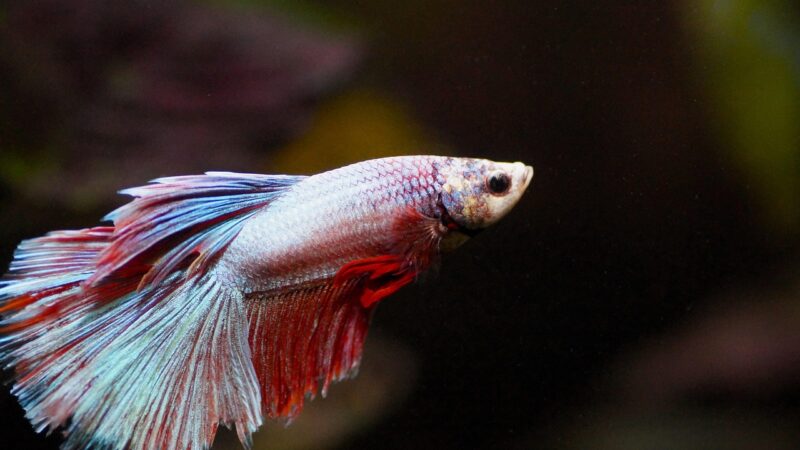
Particularly relevant for Singapore hobbyists, Southeast Asian stream biotopes replicate the clear, flowing waters of Malaysia, Thailand, Borneo and Sumatra. Species include rasboras (harlequin, galaxy, chili), kuhli loaches, chocolate gouramis, wild bettas and various barbs. Plants like Java fern, Cryptocoryne species, and mosses grow attached to rocks and wood in the current. Water is typically soft and slightly acidic. For a detailed guide, see our article on Southeast Asian biotope aquariums.
African Rift Lake
Lake Malawi and Lake Tanganyika biotopes are dramatically different from the soft-water habitats above. These lakes have hard, alkaline water (pH 7.8-8.6, GH 10-25) with rocky substrates. Cichlids dominate — mbuna, peacocks and haps from Malawi; shell-dwellers, Julidochromis and Tropheus from Tanganyika. Plants are minimal or absent. The aquascape is all rock, arranged to create caves, crevices and territories.
Borneo Peat Swamp
One of the most fascinating and challenging biotopes. Peat swamps in Borneo and Sumatra contain extremely soft, acidic, tannin-dark water (pH 3.5-5.0). Species include chocolate gouramis, liquorice gouramis, wild Betta species (Betta brownorum, Betta coccina), and Cryptocoryne species that grow submerged in peat. The substrate is dark peat or fine sand covered in decomposing leaves. These are dim, still-water environments.
West African Coastal Stream
Streams and rivers of West Africa (Nigeria, Cameroon, Ghana) are home to kribensis cichlids, African butterfly fish, Congo tetras and various killifish. Water is soft to moderately hard, slightly acidic to neutral. Substrate is typically sand with rocks and wood. Anubias species are native to this region, making them appropriate plants for a West African biotope.
Planning Your Biotope
Once you have completed your research, plan the setup systematically:
Water Parameters
Determine the target pH, GH, KH and temperature for your chosen habitat. Singapore’s PUB tap water is moderately soft (GH 1-4) and slightly acidic to neutral (pH 6.5-7.5), which makes it suitable for many soft-water biotopes without significant modification. For hard-water biotopes (African rift lakes), you will need to buffer the water with mineral salts or crushed coral.
Substrate
Match the substrate to the habitat. Amazon blackwater uses fine white or beige sand. Southeast Asian streams use a mix of sand, gravel and rounded pebbles. African rift lakes use sand with rocky rubble. Peat swamps use dark substrates covered in leaf litter.
Hardscape
Select hardscape materials appropriate to the region. Driftwood is dominant in Amazonian and Southeast Asian biotopes. Rocks dominate African rift lake setups. Leaf litter (catappa leaves, oak leaves, ketapang leaves) is essential for blackwater and peat swamp biotopes.
Species List
Compile a species list of fish and invertebrates that coexist in the habitat. Cross-reference availability in Singapore — not every wild-caught species is readily available, and some may require special ordering from importers.
Sourcing Appropriate Species in Singapore
Singapore has a strong aquarium trade with access to a wide range of tropical fish species. For biotope projects, consider these sourcing strategies:
- Local fish shops — Shops in the Serangoon North area, Clementi and scattered across the island stock common biotope species (tetras, rasboras, corydoras, cichlids).
- Specialist importers — For rarer species (wild-caught Betta, specific Apistogramma species, uncommon catfish), specialist importers can arrange orders. These often require minimum quantities and advance notice.
- Hobbyist groups — Local aquarium societies and Facebook groups (such as the Aquatic Quotient community) are excellent for sourcing captive-bred specimens of uncommon species.
- Regional suppliers — Singapore’s proximity to Malaysia, Indonesia and Thailand means Southeast Asian species are particularly accessible. Wild-caught fish from Borneo, Sumatra and the Malay Peninsula are regularly imported.
Common Mistakes to Avoid
- Mixing continents — Cardinal tetras (South America) do not belong in a Southeast Asian biotope, no matter how well they fit aesthetically.
- Over-planting — Many biotope habitats have minimal or no aquatic plants. Resist the urge to add lush greenery to a habitat that would naturally be bare.
- Ignoring water chemistry — A biotope with the right species but wrong water parameters is incomplete. Fish may survive in incorrect water chemistry, but they will not thrive or display natural behaviour.
- Prioritising aesthetics over accuracy — Biotopes are not always conventionally “pretty.” A peat swamp is dark, still and sparse. An Amazonian flooded forest is dim and leaf-covered. Embrace the natural look.
- Insufficient research — Assumptions about a habitat are often wrong. What you imagine a “rainforest stream” looks like may differ significantly from reality. Always verify with primary sources.
Frequently Asked Questions
Do I need to use wild-caught fish for a biotope?
No. Captive-bred fish of the correct species are perfectly acceptable for biotope aquariums, including in competitions. In fact, using captive-bred fish is arguably more ethical, as it reduces collection pressure on wild populations. The important thing is that the species is correct for the habitat you are replicating.
Can I create a biotope in a small tank?
Yes. Many biotope habitats — particularly Southeast Asian blackwater pools, Borneo peat swamps and small creek microhabitats — can be convincingly replicated in tanks as small as 30-60 litres. Smaller tanks also make it easier to control water chemistry precisely, which is important for extreme biotopes (very soft, very acidic).
How strict do I need to be about species accuracy?
This depends on your goals. For personal enjoyment, a regional biotope (all species from the same broad area) is perfectly satisfying. For competition entry, judges expect specific locality data, accurate species identification and documented research. Most hobbyists fall somewhere in between, aiming for regional accuracy with a few practical compromises based on availability.
Are biotope aquariums harder to maintain than regular tanks?
Not necessarily. Many biotope habitats are actually low-maintenance — blackwater tanks with leaf litter and minimal plants, for example, require less trimming and less light than a planted aquascape. The main challenge is maintaining specific water parameters, which may require RO water, peat filtration or mineral additives. Once established, biotope tanks are often quite stable.
Building a biotope is one of the most intellectually rewarding pursuits in the aquarium hobby. If you are interested in creating one and need help sourcing species or materials, visit us at 5 Everton Park. Our team has been helping Singapore hobbyists create authentic aquarium setups for over 20 years.
Related Reading