
Shell Dweller Cichlid Care Guide: Tiny Fish, Big Personality
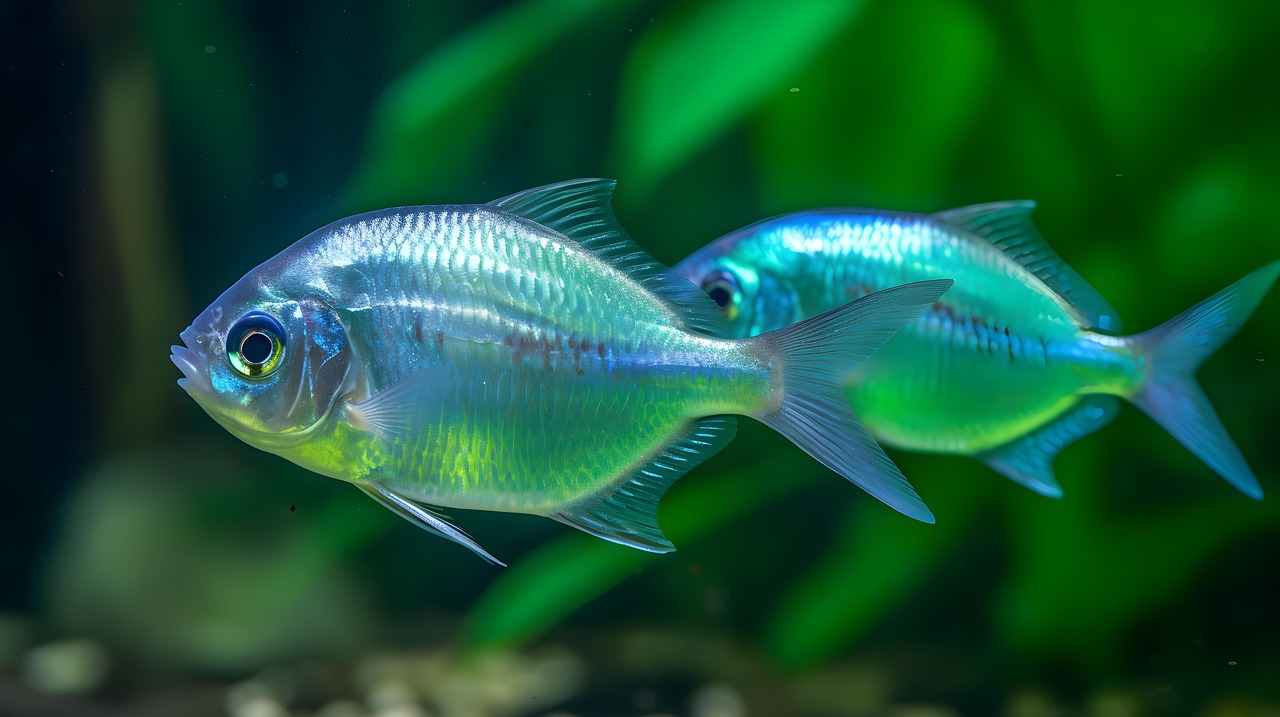
If you think cichlids are all about size and aggression, shell dweller cichlids will completely change your perspective. These tiny Tanganyikan fish — rarely exceeding 5 cm — live in, around, and fiercely defend empty snail shells on the sandy lake floor. Watching a 3 cm fish drag a shell twice its weight into the perfect position is one of the most entertaining sights in the freshwater hobby. This shell dweller cichlid care guide covers everything you need to know about keeping these remarkable micro-predators in your home aquarium. This guide sits inside our broader Tropical Fish Species Master Index reference.
At Gensou, our aquascaping studio at 5 Everton Park, Singapore, we have set up dedicated shell dweller tanks for clients who want something compact yet endlessly fascinating. Despite their small footprint, these fish deliver behaviour and breeding dynamics that rival aquariums ten times their size. Read on to discover why shell dwellers have earned a devoted following worldwide.
Species Overview and Origin
Shell dweller cichlids originate from Lake Tanganyika in East Africa — the world’s second-deepest lake and one of the most biologically diverse freshwater ecosystems on the planet. They inhabit the lake’s vast, sandy littoral zones where empty Neothauma tanganyicense snail shells accumulate in beds that can stretch for kilometres.
These shells serve as homes, breeding chambers, and defensive fortresses. The cichlids that have evolved to exploit this niche are collectively called “shell dwellers” or “shellies,” and they represent multiple genera within the Lamprologini tribe of cichlids. Despite their diminutive size, they exhibit complex social structures, territorial behaviour, and dedicated parental care that make them a joy to observe.
General Characteristics
| Detail | Information |
|---|---|
| Origin | Lake Tanganyika, East Africa |
| Family | Cichlidae (tribe Lamprologini) |
| Adult size | 2.5–6 cm depending on species |
| Lifespan | 5–8 years |
| Temperament | Territorial around shells; otherwise relatively peaceful |
| Care level | Beginner to intermediate |
Popular Shell Dweller Species
Several species are commonly available in the aquarium trade, each with slightly different behaviour and social structure. Here is a comparison of the most popular options.
| Species | Adult Size | Social Structure | Aggression Level | Best For |
|---|---|---|---|---|
| Neolamprologus multifasciatus (“multies”) | 2.5–4 cm | Colonial — large groups share a shell bed | Low to moderate | Beginners; community-style shell dweller tanks |
| Neolamprologus similis | 3–4 cm | Colonial — similar to multies but less prolific | Low to moderate | Hobbyists who want colonial behaviour without rapid overpopulation |
| Lamprologus ocellatus | 4–6 cm | Pair-based — one shell per individual or pair | Moderate to high | Keepers who want bold, showy individuals |
| Neolamprologus brevis | 3.5–5 cm | Pair-based | Moderate | Those who prefer calm pair dynamics |
| Lamprologus signatus | 3.5–5 cm | Harem — one male with multiple females | Moderate | Keepers with slightly larger tanks (90 litres+) |
For beginners, Neolamprologus multifasciatus — commonly known as “multies” — is the overwhelming favourite. They are the smallest known cichlid species, prolific breeders, and endlessly entertaining in their colonial shell-bed dynamics. A colony of multies in a well-set-up tank is like watching a tiny civilisation at work.
Tank Setup and Water Parameters
Shell dwellers are small fish, and a species-only tank need not be large. However, water chemistry is important — Lake Tanganyika has hard, alkaline water, and replicating these conditions is essential for long-term health.
Recommended Water Parameters
| Parameter | Ideal Range |
|---|---|
| Temperature | 24–27 °C (75–81 °F) |
| pH | 7.8–9.0 |
| General hardness (GH) | 10–25 dGH |
| Carbonate hardness (KH) | 10–20 dKH |
| Ammonia / Nitrite | 0 ppm |
| Nitrate | < 20 ppm |
Singapore’s tap water is generally soft to moderately hard with a neutral pH — below the ideal for Tanganyikan cichlids. You will need to buffer the water to achieve the required hardness and alkalinity. There are several ways to do this:
- Crushed coral or aragonite substrate — Naturally raises pH and KH over time. This is the simplest, most hands-off method.
- Cichlid buffer products — Commercial Tanganyika buffer salts (available from brands like Seachem) allow precise control. Mix to the desired parameters before adding to the tank during water changes.
- Limestone rocks — Decorative and functional, they slowly dissolve and raise mineral content.
Tank Size
One of the great appeals of shell dwellers is that they can thrive in modestly sized tanks:
- 40 litres (10 US gallons) — Suitable for a colony of N. multifasciatus or a pair of L. ocellatus.
- 60–75 litres (15–20 gallons) — Ideal for a larger colony or a mixed shell dweller community with a pair-based species and a colonial species (with caution).
- 90+ litres (25+ gallons) — Allows for rock-dwelling Tanganyikan tank mates (see Tank Mates section).
Substrate
Fine sand is essential — not optional. Shell dwellers are prolific diggers. They excavate sand from inside and around their shells, rearrange the substrate to bury shells, and dig pits as territorial markers. A layer of 5–8 cm of fine pool filter sand or play sand gives them ample material to work with. Avoid coloured or coated sands, which may leach chemicals.
Shells
Obviously, you need shells. The best options are:
- Escargot shells — Widely available online and from specialty aquarium shops. These are the right size for most shell dweller species.
- Apple snail shells — If you can source them, these are an excellent natural option.
- Turbo snail shells — Available from marine aquarium suppliers.
Provide at least two to three shells per fish, and cluster them in groups rather than scattering them evenly. Shell dwellers will rearrange them to their liking anyway, but starting with clusters mimics the natural shell beds of Lake Tanganyika. Boil new shells for 10 minutes before adding them to the tank to sterilise them.
Filtration
A sponge filter or small internal filter is perfectly adequate for a species-only shell dweller tank. These fish produce a light bioload relative to their tank size. Avoid strong current — Lake Tanganyika’s littoral zones have minimal water movement, and shell dwellers prefer calm conditions. For larger community Tanganyikan setups, a canister filter with a spray bar to diffuse flow works well.
Décor
Keep it simple. The natural habitat is a sandy plain with scattered shell beds and occasional rocks. A few pieces of limestone or ocean rock at the back of the tank provide visual depth and territory markers for non-shell-dwelling tank mates, but the sand-and-shell foreground should remain open. Plants are not native to this biotope, but hardy species like Anubias and Java fern attached to rocks can add visual interest without conflicting with the aesthetic.
Feeding and Diet
Shell dwellers are micro-predators in the wild, feeding on tiny crustaceans, insect larvae, and zooplankton that drift through the shell beds. In captivity, their small mouths mean you need to provide appropriately sized food.
Suggested Diet
- High-quality micro pellets — Cichlid pellets designed for small species (1 mm or smaller) are the ideal staple. Look for brands with high protein content and minimal fillers.
- Crushed flakes — Spirulina flakes or cichlid flakes, crushed to an appropriate size, are readily accepted.
- Frozen foods — Baby brine shrimp, cyclops, daphnia, and finely chopped bloodworm. These trigger enthusiastic feeding responses.
- Live foods — Live baby brine shrimp and microworms are excellent for conditioning breeders and feeding fry.
Feed once or twice daily in small amounts. Shell dwellers are active foragers and will pick food off the substrate between meals. Avoid large pellets or wafers designed for bigger cichlids — these are too large for shell dwellers to consume and will foul the water.
Behaviour and Temperament
This is where shell dwellers truly shine. For their size, they display an extraordinary range of complex behaviours that make them endlessly watchable.
Shell Management
Shell dwellers are obsessive about their shells. They dig sand away from shell entrances, reposition shells by gripping the rim with their mouths and dragging them, bury rival shells to make them unusable, and even steal shells from neighbours. Watching a 3 cm multifasciatus laboriously drag an escargot shell across the tank to its preferred spot is simultaneously comical and impressive.
Territorial Defence
Despite their tiny size, shell dwellers are astonishingly aggressive in defence of their territory. They will face off against fish many times their size, flaring fins, gaping mouths, and even nipping at the faces of intruders. Colonial species like multies defend their shell bed collectively, with multiple fish swarming to repel threats — a coordinated defence reminiscent of much larger cichlid colonies.
Social Dynamics
Colonial species (N. multifasciatus, N. similis) form structured societies with dominant breeding pairs, subordinate helpers, and juveniles that stay in the colony until they establish their own territory. Pair-based species (L. ocellatus, N. brevis) are more solitary, with each individual or pair defending a single shell or small cluster.
Sand-Sifting
Shell dwellers spend a significant portion of their day sifting mouthfuls of sand, searching for microorganisms and clearing their shell entrances. This behaviour keeps the substrate aerated and clean, which is a practical benefit for water quality.
Compatible Tank Mates
In a species-only tank, shell dwellers are the entire show — and they provide more than enough entertainment. However, if you have a larger tank (90+ litres), you can combine them with other Tanganyikan species that occupy different zones.
Good Tank Mates
- Julidochromis species (e.g., J. transcriptus, J. ornatus) — Rock-dwelling Tanganyikans that stay near the rocks and leave the sandy shell bed alone.
- Altolamprologus species (e.g., A. calvus, A. compressiceps) — Laterally compressed predators that inhabit rocky areas. They may eat very small shell dweller fry but generally coexist at a distance.
- Cyprichromis species — Open-water Tanganyikan cichlids that school in the mid-to-upper water column, completely ignoring the bottom-dwelling shellies.
- Synodontis petricola — A small Tanganyikan catfish that is compatible in terms of water chemistry and temperament.
Tank Mates to Avoid
- Large, aggressive cichlids — Mbuna, large haps, or Central American cichlids will eat shell dwellers or destroy their territories.
- Other substrate-dwelling species — Corydoras, loaches, and plecos require different water chemistry (soft, acidic) and compete for substrate territory.
- Freshwater community fish — Tetras, rasboras, and livebearers are not suited to the hard, alkaline water shell dwellers require.
Breeding Shell Dwellers
Shell dwellers are among the easiest cichlids to breed in captivity. In fact, preventing breeding can be harder than encouraging it — a healthy colony of multies will produce fry regularly without any special intervention.
Spawning
Spawning occurs inside a shell. The female enters the shell, deposits eggs on the inner surface, and the male fertilises them by releasing sperm at the shell entrance. Clutch sizes vary by species:
| Species | Typical Clutch Size | Incubation Period |
|---|---|---|
| N. multifasciatus | 10–25 eggs | 10–14 days |
| N. similis | 8–15 eggs | 12–14 days |
| L. ocellatus | 10–30 eggs | 10–14 days |
| N. brevis | 10–20 eggs | 10–14 days |
| L. signatus | 8–15 eggs | 12–16 days |
Fry Care
Fry emerge from the shell already free-swimming and capable of eating baby brine shrimp and micro-crushed flakes. In colonial species, the fry remain within the colony’s territory and are protected by the adults — a fascinating example of cooperative breeding. In pair-based species, the parents (especially the female) guard the fry aggressively.
Managing Population Growth
Multies, in particular, can quickly overpopulate a small tank. Strategies for managing population include:
- Removing excess shells to limit breeding sites
- Rehoming juveniles to other hobbyists (shell dwellers are always in demand)
- Adding a mild predator like Altolamprologus calvus to naturally cull some fry (in larger tanks only)
- Trading juveniles at local fish shops — several shops in Singapore accept captive-bred Tanganyikans
Frequently Asked Questions
What is the best shell dweller species for beginners?
Neolamprologus multifasciatus is the top recommendation for beginners. They are the smallest, most social, and least aggressive shell dweller species. Their colonial behaviour is endlessly entertaining, they breed readily, and a starter colony can be kept in a tank as small as 40 litres. Their care requirements are straightforward once you establish the correct water chemistry.
Can I keep shell dwellers in soft, acidic water?
No. Shell dwellers are Tanganyikan cichlids that require hard, alkaline water (pH 7.8–9.0, GH 10–25 dGH). Keeping them in soft, acidic water leads to stress, weakened immune systems, and shortened lifespans. Singapore’s naturally soft tap water must be buffered with crushed coral, aragonite, or commercial Tanganyika buffer salts to achieve appropriate conditions.
Do shell dwellers need real snail shells?
They need shells of some kind — real or artificial. Natural escargot shells are the most popular and widely available option. Some hobbyists use ceramic or resin shell replicas, which are accepted by the fish. The key is providing shells of the correct size for your chosen species: roughly 3–5 cm in opening diameter for most species. Always boil natural shells before use.
How many shell dwellers can I keep in a 40-litre tank?
For colonial species like N. multifasciatus, start with four to six individuals and allow them to breed naturally. The colony will self-regulate to some extent based on available territory and shells. For pair-based species like L. ocellatus, a single pair is appropriate for a 40-litre tank. Overstocking leads to constant aggression and stress.
Related Reading
- Blue Acara Cichlid Care Guide: The Overlooked Gem
- Acei Cichlid Care Guide: The Peaceful Mbuna Exception
- Auratus Cichlid Care Guide: Beautiful and Brutally Aggressive
- Blood Parrot Cichlid Care Guide: The Controversial Hybrid
- Cobalt Blue Zebra Cichlid Care Guide: Brilliant Mbuna Blue
Conclusion
Shell dweller cichlids are proof that the best things in fishkeeping sometimes come in very small packages. Their complex social behaviour, dedicated parental care, and amusing shell-management antics make them one of the most rewarding species groups in the hobby. They require specific water chemistry — hard and alkaline — but once those conditions are established, they are hardy, long-lived, and prolific breeders.
Whether you are a seasoned cichlid keeper or a curious beginner looking for something beyond the ordinary, shell dwellers deliver. And if you are in Singapore and want help designing a dedicated Tanganyikan biotope or any other specialised aquarium, the team at Gensou has over 20 years of experience creating aquatic environments that are both stunning and biologically sound. Get in touch to discuss your project, visit our shop for equipment and supplies, or explore our custom aquarium services.



