
Red Claw Crab Care Guide: A Brackish Paludarium Favourite
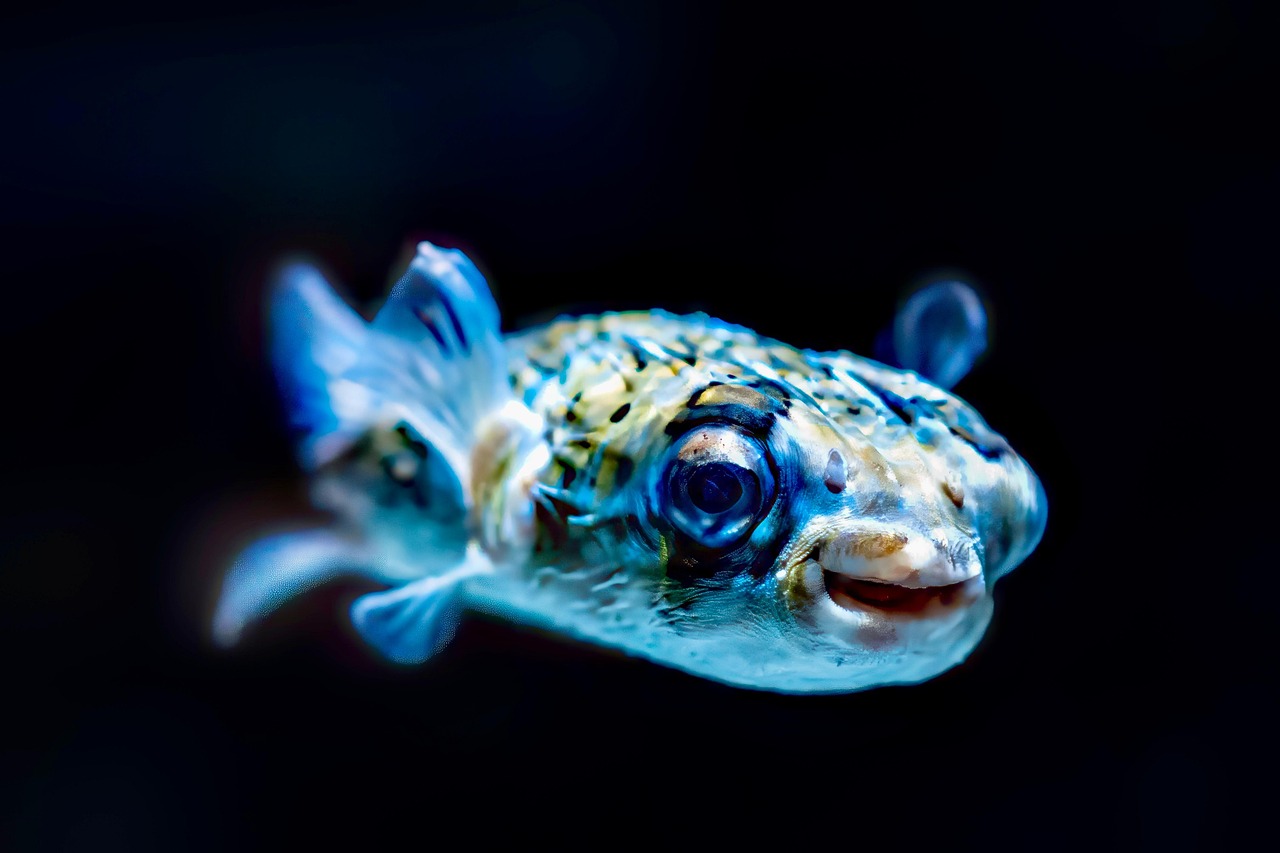
With their striking crimson claws, inquisitive behaviour, and semi-terrestrial lifestyle, red claw crabs (Perisesarma bidens) are among the most captivating invertebrates available to freshwater and brackish hobbyists. They are not your typical aquarium inhabitant — they need both land and water, prefer slightly salty conditions, and have a personality that borders on cheeky. This red claw crab care guide will walk you through everything required to set up a thriving paludarium that caters to their unique needs.
At Gensou, our aquascaping studio at 5 Everton Park, Singapore, we have designed numerous paludarium and brackish setups over more than two decades. Red claw crabs are a species we frequently recommend for hobbyists looking to move beyond a standard fish-only tank into something more interactive and visually dynamic. Let us show you how to get it right.
Species Overview and Origin
Red claw crabs are found across a wide range of coastal habitats in Southeast Asia, including mangrove swamps, estuaries, and tidal flats from India through to Japan. They are particularly common in brackish environments where freshwater rivers meet the sea — a habitat type that Singapore itself hosts in places like Sungei Buloh Wetland Reserve and Pasir Ris mangroves.
Taxonomy at a Glance
| Detail | Information |
|---|---|
| Scientific name | Perisesarma bidens |
| Common names | Red claw crab, mini red crab, Thai micro crab (incorrectly) |
| Family | Sesarmidae |
| Origin | Coastal Southeast Asia, East Asia |
| Adult size | 5–6 cm (2–2.5 inches) leg span; body width ~2.5 cm |
| Lifespan | 2–3 years |
| Temperament | Semi-aggressive, territorial |
| Care level | Intermediate |
Males are easily distinguished from females by their larger, more brightly coloured claws and a narrower abdominal flap on the underside. Females have a broader, rounder abdominal flap and typically display less vivid claw colouration.
Paludarium Setup and Water Parameters
This is the most critical section of any red claw crab care guide, because getting the habitat wrong is the single biggest reason keepers lose these crabs prematurely. Red claw crabs are semi-terrestrial. They require access to dry land — not just a rock poking above the waterline, but a genuine land area where they can climb, explore, and rest.
Land-to-Water Ratio
A good rule of thumb is a 70 % land to 30 % water ratio, or at minimum 50/50. Many beginners make the mistake of keeping red claw crabs in a fully aquatic setup, which leads to stress, respiratory issues, and premature death. These crabs spend the majority of their time on land and venture into the water primarily to eat, moult, and hydrate their gills.
Tank Size
A paludarium of at least 60 litres (approximately 15 US gallons) is suitable for a pair or trio. For a larger group of four to six crabs, aim for 90–120 litres. The tank should be long and wide rather than tall, maximising usable floor and land area.
Recommended Water Parameters
| Parameter | Ideal Range |
|---|---|
| Temperature | 24–28 °C (75–82 °F) |
| pH | 7.5–8.5 |
| Salinity (specific gravity) | 1.003–1.010 (low-end brackish) |
| General hardness (GH) | 8–20 dGH |
| Carbonate hardness (KH) | 6–15 dKH |
| Ammonia / Nitrite | 0 ppm |
| Nitrate | < 20 ppm |
Singapore’s warm, humid climate is actually ideal for red claw crabs — the ambient temperature typically falls within their comfort zone without the need for a heater, and the humidity helps keep their gills moist when they are on land. However, you will need marine salt mix (not table salt or freshwater aquarium salt) to achieve the appropriate brackish conditions. Mix it to a specific gravity of around 1.005 as a good starting point, and measure with a hydrometer or refractometer.
Building the Land Area
There are several ways to create the land portion of a red claw crab paludarium:
- Sloped substrate — Bank sand or aqua soil to one side, creating a gradual slope from water to land. Anchor the slope with rocks or driftwood to prevent collapse.
- Floating platform — A piece of cork bark, acrylic shelf, or egg-crate shelf positioned above the waterline. Ensure it is accessible via ramps or driftwood bridges.
- Divider method — Use a siliconed acrylic divider to separate a dry land section from a water section. This provides the cleanest visual separation.
Whichever method you choose, the land area should include hiding spots: coconut shells, pieces of driftwood, small terracotta pots laid on their sides, or live terrestrial plants such as pothos, ferns, or mosses. Red claw crabs are nocturnal and secretive, and they need places to retreat during the day.
Lid — Absolutely Essential
Red claw crabs are escape artists of the highest order. They can and will climb silicone seams, filter tubes, heater cables, and airline tubing to escape the tank. A tight-fitting lid with every gap sealed is non-negotiable. In Singapore’s HDB flats and condos, an escaped crab is unlikely to survive long outside the tank, and you do not want to discover one behind your furniture days later.
Filtration
A small internal filter or sponge filter is sufficient for the water portion. The water volume is typically modest, so a large canister filter is unnecessary. Ensure the filter intake is protected — crabs may investigate and damage exposed impellers. Weekly water changes of 20–25 % with pre-mixed brackish water maintain water quality.
Feeding and Diet
Red claw crabs are opportunistic omnivores and detritivores. They are not fussy and will accept a wide variety of foods.
Suggested Diet
- Sinking pellets — Shrimp pellets, crab-specific pellets, or algae wafers serve as a staple.
- Protein sources — Frozen bloodworm, brine shrimp, small pieces of raw prawn or fish, and dried shrimp.
- Vegetables — Blanched spinach, peas, courgette (zucchini), and sweet potato. These provide essential fibre.
- Calcium supplements — Cuttlebone (available at any pet shop in Singapore) should be placed on the land area for the crabs to rasp on. Calcium is vital for healthy shell development, especially during moulting.
- Leaf litter — Dried Indian almond leaves (ketapang leaves, easily sourced in Singapore) provide both nutrition and natural tannins that benefit water chemistry.
Feed small amounts every one to two days. Place food on the land area or at the water’s edge — red claw crabs prefer to feed out of the water when possible. Remove uneaten food within 24 hours to prevent fouling.
Behaviour and Temperament
Red claw crabs are fascinating to observe but are not gentle creatures. They are territorial, somewhat aggressive, and surprisingly bold for their small size.
Territorial Nature
Males, in particular, are highly territorial and will fight other males for preferred hiding spots and access to females. These confrontations usually involve posturing — crabs raising their claws and facing off — but can escalate to claw-grappling that sometimes results in lost limbs. Providing multiple hiding spots and visual barriers reduces the frequency and severity of these encounters.
Escape Behaviour
As mentioned, red claw crabs are persistent escape artists. This is not a sign of poor care — it is simply their nature. In the wild, they roam freely between land and water, and a glass wall is merely an obstacle to be overcome. Treat every potential exit point as a security vulnerability.
Nocturnal Activity
Red claw crabs are primarily nocturnal. During the day, they hide in caves, under driftwood, or burrow into the substrate. Activity increases significantly after lights-out, when they emerge to forage, explore, and interact with each other. Installing a dim red or blue LED for evening viewing allows you to observe their natural behaviour without disturbing them.
Limb Regeneration
If a red claw crab loses a leg or claw during a fight or failed moult, it can regenerate the limb over subsequent moults. The replacement limb starts small and grows to full size over two to three moult cycles. This is a remarkable ability but not one you want to rely on — minimise aggression through proper habitat design.
Compatible Tank Mates
Choosing tank mates for red claw crabs is tricky. They will attempt to catch and eat anything slow enough, and the brackish requirement limits your options further.
Possible Tank Mates
- Mollies — Hardy, fast, and tolerant of brackish water. They are the most commonly recommended fish companion for red claw crabs.
- Guppies — Tolerate light brackish water and are fast enough to avoid capture. However, long-finned varieties may suffer damage.
- Bumblebee gobies — Small brackish-water fish that occupy the bottom and are fast enough to evade crabs.
- Nerite snails — Their hard shells offer protection, and they thrive in brackish conditions. However, very small nerites may still be targeted.
Tank Mates to Avoid
- Dwarf shrimp — Cherry shrimp, Amano shrimp, and similar species are easy prey.
- Slow-moving fish — Corydoras, plecos, and other bottom-dwellers that rest on the substrate are at risk of being grabbed.
- Freshwater-only species — Any fish that cannot tolerate brackish conditions should be excluded.
- Other crab species — Mixing crab species typically results in territorial conflict and casualties.
Many experienced keepers opt for a species-only paludarium, which simplifies care and eliminates the risk of inter-species conflict. A group of four to six red claw crabs in a well-designed paludarium is endlessly entertaining on its own.
Moulting
Like all crustaceans, red claw crabs must periodically shed their exoskeleton to grow. Moulting is a vulnerable period, and understanding the process helps you support your crabs through it.
Signs of an Impending Moult
- Reduced activity and appetite for one to three days before moulting
- Spending extended periods submerged in water
- A slightly dull or faded appearance to the shell
During and After Moulting
The crab will split its old shell along the back and emerge soft-bodied and vulnerable. It takes 24–48 hours for the new exoskeleton to harden. During this time, the crab hides and should not be disturbed. Ensure calcium sources (cuttlebone, mineral blocks, or crushed coral in the substrate) are always available to support shell hardening.
Do not remove the old exoskeleton. Red claw crabs — and their tank mates — will eat the discarded shell to reclaim the calcium. It is a natural and efficient recycling process.
Moult-Related Deaths
Failed moults are the most common cause of death in captive crustaceans. They are typically caused by insufficient calcium in the diet, low mineral content in the water (GH too low), or stress from overcrowding and aggression. Maintaining proper water hardness and providing constant access to calcium-rich foods is the best prevention.
Breeding Red Claw Crabs
Red claw crabs can be bred in captivity, but raising the larvae to adulthood is exceptionally difficult and requires a dedicated marine or high-brackish setup.
Mating
Mating occurs shortly after a female moults, when her shell is still soft. The male transfers a sperm packet to the female, who then carries fertilised eggs under her wide abdominal flap. A gravid female is easy to identify — she carries a mass of dark eggs (sometimes called a “berry” or “sponge”) tucked beneath her body.
Larval Development
Here is where things become challenging. Red claw crab larvae are released into the water and require full-strength marine or near-marine conditions (specific gravity 1.020–1.025) to develop. They pass through several zoea larval stages over four to six weeks before metamorphosing into tiny crablets that can transition to brackish conditions.
| Stage | Duration | Salinity Required |
|---|---|---|
| Egg carrying | ~3 weeks | Brackish (SG 1.005) |
| Zoea larvae (stages 1–5) | 4–6 weeks | Marine (SG 1.020–1.025) |
| Megalopa (transitional stage) | 1–2 weeks | Marine transitioning to brackish |
| Crablet (juvenile) | Ongoing | Brackish (SG 1.005–1.010) |
Feeding the tiny zoea larvae requires live phytoplankton and rotifers — specialised cultures that are time-consuming to maintain. Very few hobbyists have successfully raised red claw crab larvae through all stages to juvenile crablets. If breeding interests you, prepare a separate marine rearing tank well in advance.
Frequently Asked Questions
Can red claw crabs live in freshwater?
They can survive in freshwater for a time, but they will not thrive. Red claw crabs are naturally brackish animals, and keeping them in pure freshwater shortens their lifespan, weakens their shells, and increases susceptibility to moulting problems. Always add marine salt mix to achieve a specific gravity of at least 1.003, ideally 1.005.
Do red claw crabs need land?
Yes — this is non-negotiable. Red claw crabs are semi-terrestrial and spend the majority of their time on land in the wild. A fully aquatic setup will cause chronic stress and respiratory problems. Provide a land area comprising at least 50 % of the tank’s usable space.
How do I stop red claw crabs from escaping?
Use a tight-fitting lid with no gaps. Seal openings around filter pipes, heater cables, and airline tubing with foam, mesh, or silicone. Red claw crabs can climb silicone seams, cord, and almost any textured surface, so assume they will find any weakness in your enclosure. Some keepers apply a band of petroleum jelly around the inner rim of the tank as an additional deterrent.
How long do red claw crabs live?
With proper care — brackish water, a well-designed paludarium with land access, a calcium-rich diet, and appropriate temperature — red claw crabs typically live two to three years. Some keepers report individuals reaching four years, though this is uncommon. In suboptimal conditions (freshwater, no land area), lifespan drops significantly.
Related Reading
- Red Devil Crab Geosesarma Care Guide: Paludarium Crabs
- Colombian Blue and Red Tetra Care Guide: Kerri Tetra Brilliance
- Coral Red Pencilfish Care Guide: Crimson Hovering Beauty
- Crystal Red Shrimp Grading Guide: SSS to C Grade Explained
- Fire Red Cherry Shrimp Selective Breeding: From Sakura to Painted
Conclusion
Red claw crabs offer something genuinely different from the standard freshwater aquarium experience. Their semi-terrestrial habits, bold personalities, and striking appearance make them ideal candidates for a brackish paludarium — a setup style that is growing in popularity among Singaporean hobbyists. The key to success lies in providing both land and water, maintaining brackish conditions, ensuring calcium availability, and securing the enclosure against escapes.
If you are interested in building a paludarium for red claw crabs or any other semi-aquatic species, Gensou has the expertise to bring your vision to life. With over 20 years of aquascaping experience in Singapore, we design setups that balance aesthetics with the biological needs of their inhabitants. Contact us to start planning, browse our shop for supplies, or explore our custom aquarium and paludarium services.



