
How to Acclimatise New Aquarium Plants: Preventing Melt and Shock
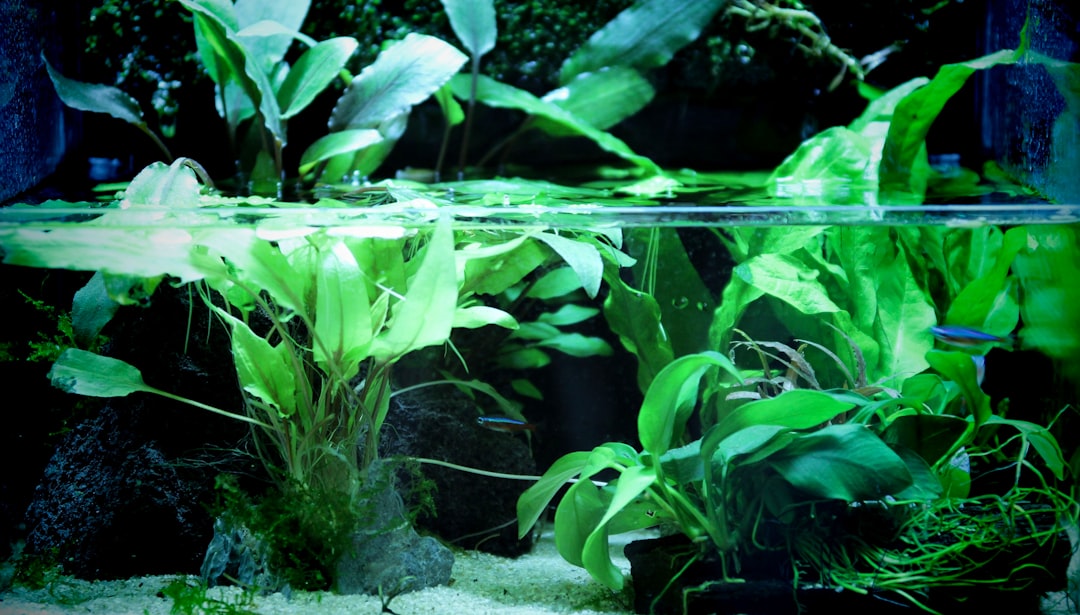
Buying beautiful aquarium plants only to watch them melt, yellow or die within weeks is a frustrating experience. The good news is that most plant “deaths” are actually transition shock — with proper acclimatisation, the vast majority of plants recover and thrive. This guide on how to acclimatise new aquarium plants from Gensou Aquascaping at 5 Everton Park helps you navigate the critical transition period.
Why Plants Melt After Purchase
Most aquarium plants sold commercially are grown emersed (above water) in nurseries because emersed cultivation is faster and cheaper. When these plants are placed underwater, the emersed leaves — adapted for air — cannot function efficiently in a submerged environment. The plant sheds these old leaves and grows new ones adapted to submersed conditions. This process, called “melt,” looks alarming but is entirely normal.
Tissue Culture Plants
Tissue culture (TC) plants are grown in sterile gel medium and are pest-free, algae-free and disease-free. To acclimatise TC plants: remove the plant from the cup, gently rinse off all gel under running water, separate the plant into smaller portions and plant immediately. TC plants transition relatively quickly since they are grown in a controlled, semi-aquatic environment. Expect some initial melting for certain species (especially Cryptocorynes), but new growth should appear within two to three weeks.
Emersed-Grown Potted Plants
Potted plants from nurseries are typically grown emersed. Remove the pot, gently pull away the rockwool from the roots (tweezers help), rinse thoroughly and trim any damaged leaves or excessively long roots. Plant directly into your substrate. The emersed leaves will gradually yellow and die over two to four weeks while new submersed leaves emerge from the crown or stem tips. Do not remove melting leaves prematurely — they still provide some energy to the plant during transition.
Submersed-Grown Plants
Plants bought from other hobbyists’ tanks or sold in submersed form adapt most quickly since they are already accustomed to underwater life. Simply rinse them to remove any hitchhikers (snails, algae), trim any damaged portions and plant. These typically show minimal melt and begin growing within a week.
The Transition Timeline
Week one: existing leaves may begin yellowing or melting. This is normal. Week two to three: melting peaks for sensitive species like Cryptocorynes. New submersed growth may begin appearing. Week four to six: new growth establishes. Old leaves can be trimmed away. Week six onward: the plant is fully adapted and growth accelerates. The entire process varies by species — hardy plants like Java fern and Anubias show minimal transition, while sensitive species like HC Cuba or Cryptocorynes may melt significantly.
Tips for Successful Acclimatisation
Maintain stable water parameters during the transition — avoid major water chemistry changes while plants are adjusting. Ensure adequate lighting from day one, but consider reducing the photoperiod to 6–7 hours initially to limit algae while plants establish. Dose liquid fertiliser at half strength for the first two weeks, then increase to full dosing as new growth appears. CO2 injection, if used, should be consistent and started before or at the time of planting.
Dealing With Crypt Melt
Cryptocorynes are notorious for severe melting. When a Crypt melts, the root system usually survives intact underground. Do not uproot it — leave the roots in place, remove the dissolved leaf matter and wait. New leaves will emerge from the crown within two to six weeks. Moving or replanting a melting Crypt resets the clock and often kills the plant entirely.
Pest Prevention During Planting
New plants can introduce pest snails, algae, planaria and hydra. Quarantine or dip new plants before adding them to your main tank. A quick dip in diluted hydrogen peroxide (3 % solution, 1:3 with water, for 30 seconds) kills most hitchhikers. Alternatively, an alum dip (1 tablespoon per litre, soak for 2–3 hours) is effective against snails and their eggs. Tissue culture plants skip this step entirely — another advantage of TC.
Singapore-Specific Tips
Singapore’s warm water temperatures actually accelerate plant transition — warmth drives faster metabolism and quicker adaptation. Local aquarium plant shops offer a good range of tissue culture options that adapt readily. If buying emersed plants, choose specimens with healthy root systems and firm stems rather than focusing on leaf condition, since those leaves will be replaced anyway.
Conclusion
Understanding plant acclimatisation transforms frustration into patience. Knowing that melt is a transition — not a death sentence — lets you confidently buy and plant any species. Visit Gensou Aquascaping at 5 Everton Park for healthy plants and expert advice on establishing your planted tank.



