
Sustainable Fishkeeping: Eco-Friendly Aquarium Practices
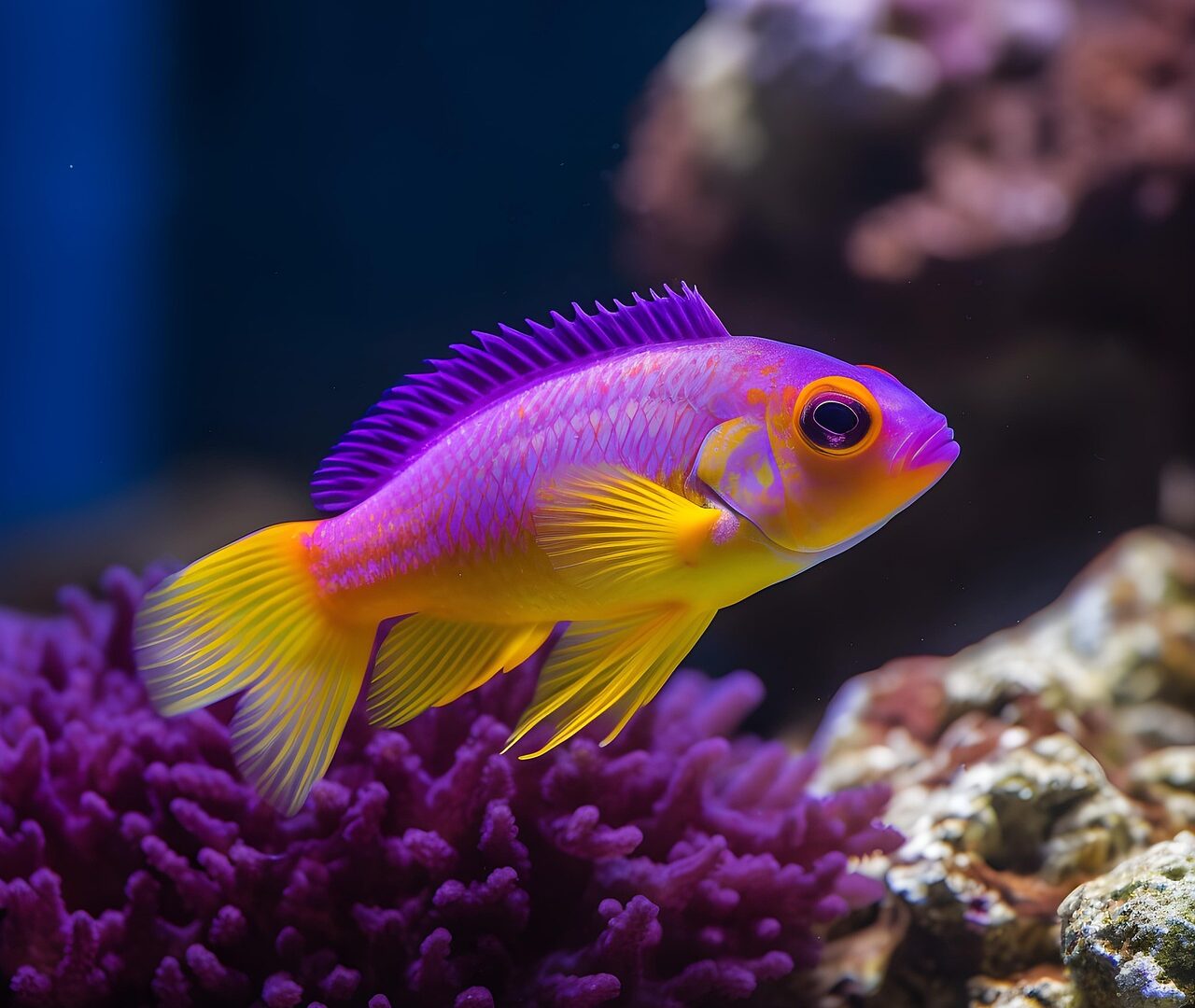
As awareness of environmental issues grows, many hobbyists are asking how to enjoy fishkeeping while minimising their ecological footprint. From choosing captive-bred fish to reducing energy consumption and responsibly managing tank waste, sustainable practices benefit both the environment and the hobby’s future. This guide on sustainable fishkeeping practices from Gensou Aquascaping at 5 Everton Park shows how Singapore hobbyists can make responsible choices.
Choose Captive-Bred Over Wild-Caught
Wild collection of aquarium fish has contributed to population declines in some species and regions. The zebra pleco (L046) is now CITES-listed partly due to overcollection. Whenever possible, buy captive-bred fish from local breeders or shops that source responsibly. Most common freshwater species — tetras, rasboras, livebearers, Corydoras, bettas, shrimp — are extensively captive-bred. Ask your shop about the origin of their stock.
Support Tissue Culture Plants
Tissue culture aquarium plants are propagated in sterile laboratory conditions without pesticides, are free of hitchhiker pests and require no wild collection. Buying tissue culture supports sustainable plant production. They also eliminate the risk of introducing invasive species or pathogens into local waterways. Most major plant brands — Tropica, Dennerle, ADA — offer extensive tissue culture ranges available in Singapore.
Energy Efficiency
Aquariums consume electricity for lighting, filtration, heating and cooling. Reduce consumption by switching to LED lighting (uses 50–70 % less power than fluorescent), using timers to run lights only during viewing hours, choosing energy-efficient filters and running cooling fans instead of chillers where possible. In Singapore, where heating is rarely needed, eliminating the heater saves significant energy. A well-insulated tank (thick glass, lid, cabinet surround) retains temperature better.
Water Conservation
Regular water changes use significant volumes of water over time. Reuse old tank water for watering house plants and gardens — it is rich in nitrogen and nutrients that plants love. Use a water-change system that drains and refills efficiently to minimise waste. Consider plants and fish that tolerate harder water, allowing you to use tap water directly without the energy-intensive RO process.
Reduce, Reuse, Recycle Equipment
The secondhand market for aquarium equipment is robust. Before buying new, check Carousell, Facebook Marketplace and local fishkeeping groups for used tanks, filters, lights and stands. When upgrading, pass old equipment forward rather than discarding it. Repair rather than replace when possible — many filters and lights have replaceable parts. Avoid single-use products like disposable filter cartridges; switch to reusable media like ceramic rings, sponges and bio balls.
Never Release Fish or Plants Into the Wild
Releasing unwanted aquarium fish or plants into local waterways is both illegal and ecologically damaging. Invasive species like the suckermouth catfish (pleco) have established feral populations in Singapore’s freshwater habitats. If you need to rehome fish, use local fishkeeping groups, return them to shops or reach out to hobbyist networks. For unwanted plants, compost or dispose of them in general waste — never flush or release them.
Sustainable Food Choices
Culture your own live food — brine shrimp, daphnia, microworms — to reduce reliance on commercially harvested or packaged products. Choose fish food brands that source ingredients sustainably and use minimal packaging. Avoid feeding excessive amounts — overfeeding wastes food and creates more waste in the system. A well-fed fish eats all its food within two to three minutes with nothing left over.
Responsible Breeding
Before breeding fish, ensure you have a plan for the offspring. Producing hundreds of fry with no homes for them is irresponsible. Connect with local shops or hobbyists who will take quality fish. Focus on quality over quantity — a few well-raised fish are more valuable (and responsible) than mass-producing fish that end up as feeders or, worse, disposed of.
Singapore-Specific Initiatives
Singapore’s aquarium hobby community is increasingly sustainability-conscious. Local plant swaps and fish rehoming events are organised through Facebook groups and Telegram channels. PUB’s water conservation message aligns with efficient water change practices. Singapore’s excellent recycling infrastructure means aquarium equipment and glass tanks can be responsibly disposed of. Support local breeders and hobbyist plant growers to reduce the carbon footprint of imported stock.
Conclusion
Sustainable fishkeeping is about making mindful choices at every step — from sourcing to maintenance to end-of-life. Small individual actions collectively make a significant difference for the environment and the hobby’s long-term viability. Visit Gensou Aquascaping at 5 Everton Park for sustainably sourced plants, captive-bred fish and eco-friendly equipment recommendations.



