
Aquarium Phosphate Management: Balancing Algae and Plant Growth
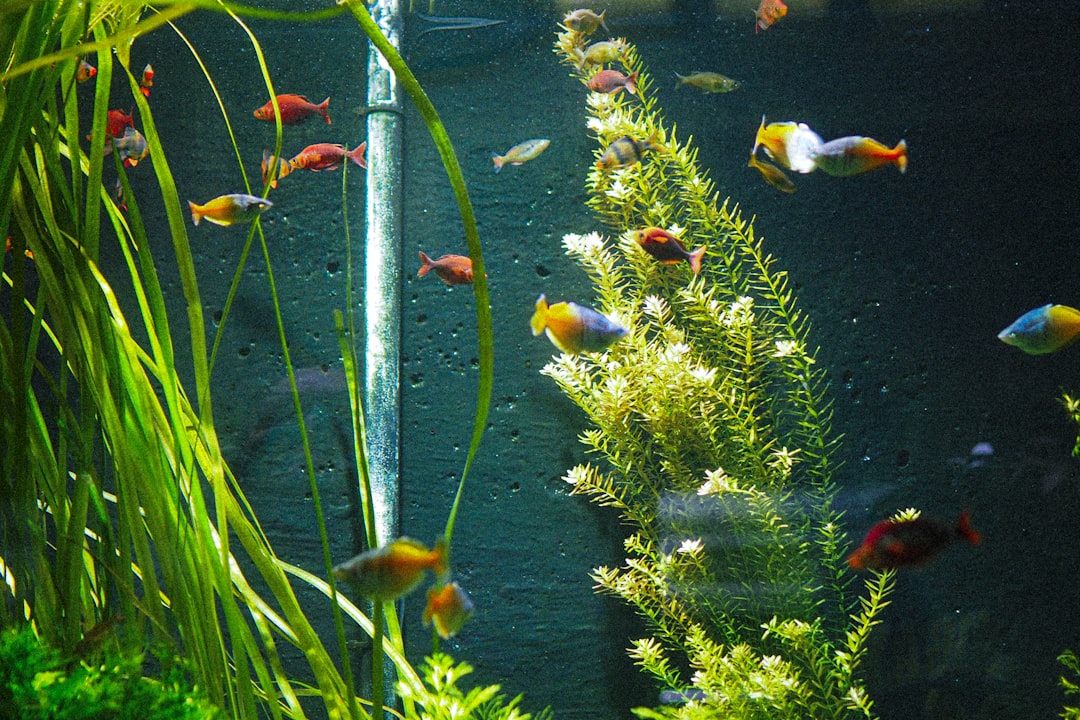
Phosphate is one of the most misunderstood nutrients in the aquarium hobby. Too much gets blamed for algae outbreaks, yet too little starves plants and ironically encourages certain algae species. Getting phosphate right is about balance, not elimination. This aquarium phosphate management guide from Gensou Aquascaping at 5 Everton Park helps you navigate this tricky nutrient.
What Is Phosphate and Why Does It Matter?
Phosphate (PO₄) is a macronutrient essential for plant growth, DNA synthesis and energy transfer in all living organisms. In planted aquariums, phosphate works alongside nitrogen and potassium as one of the three primary macronutrients. Plants need it to grow, but excess phosphate in a tank with insufficient plant mass or CO2 can fuel algae instead.
Sources of Phosphate in Your Tank
Phosphate enters your aquarium through several pathways. Fish food is the primary source — uneaten food and fish waste break down into phosphate. Tap water in some areas contains measurable phosphate levels. Decaying plant matter, dead organisms and certain substrates can also contribute. In Singapore, tap water phosphate levels vary but are typically low enough not to cause problems on their own.
Ideal Phosphate Levels
For a planted aquarium, maintain phosphate between 0.5 and 2.0 ppm. Fish-only tanks without live plants should keep phosphate below 1.0 ppm. Zero phosphate is not desirable in a planted tank — it causes stunted growth, cyanobacteria outbreaks and green spot algae on glass and slow-growing leaves like Anubias. Test phosphate with a reliable liquid test kit; strips are less accurate for this parameter.
Phosphate and Algae: The Real Relationship
The old advice to “eliminate phosphate to prevent algae” is outdated and counterproductive in planted tanks. Algae blooms are caused by an imbalance — usually excess light or ammonia combined with insufficient CO2 and plant mass, not phosphate alone. Healthy, fast-growing plants outcompete algae for phosphate. Deliberately starving the tank of phosphate weakens plants first, giving algae an advantage. Focus on overall nutrient balance rather than targeting phosphate in isolation.
How to Lower Phosphate
If phosphate exceeds 2 ppm in a planted tank or 1 ppm in a fish-only setup, try these approaches. Reduce feeding — most aquarists overfeed, and this is the top contributor. Increase water change frequency and volume. Add fast-growing plants like Hornwort, Water Sprite or floating plants to absorb excess. As a last resort, use phosphate-absorbing media like GFO (granular ferric oxide) or Seachem PhosGuard in your filter. Remove the media once levels stabilise — running it continuously can crash phosphate to zero.
How to Raise Phosphate
In heavily planted tanks with strong lighting and CO2, plants may consume phosphate faster than fish waste can supply it. Dose a dedicated phosphate supplement like monopotassium phosphate (KH₂PO₄) as part of your fertiliser routine. EI dosing protocols include phosphate by default. Start with small doses and test regularly until you find the rate that maintains 1.0–1.5 ppm between water changes.
Testing and Monitoring
Test phosphate weekly, ideally on the same day and time for consistent readings. Test before and after water changes to understand how much your tank produces between changes. The API Phosphate Test Kit is widely available in Singapore and provides adequate accuracy for freshwater use. If green spot algae appears on glass, phosphate is likely too low. If green dust algae coats every surface, phosphate may be excessive relative to CO2 and light.
Related Reading
- Aquarium Tannins: Benefits of Blackwater and How to Manage Them
- How to Reduce Phosphate Naturally in a Planted Tank
- Active vs Inert Substrate: Which Is Right for Your Planted Tank?
- Alternanthera Reineckii Mini Care Guide: Compact Red Carpet Plant
- Amazon Frogbit Care Guide: Shade, Filtration and Beauty



