
Nitrite Spike in Aquarium: Causes, Dangers and Quick Fixes
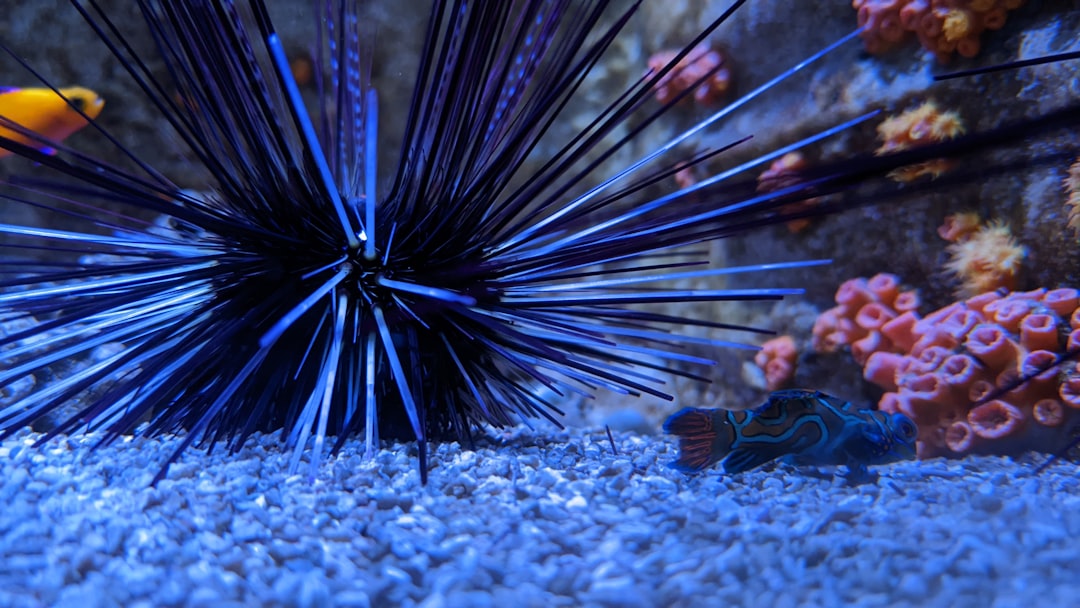
A nitrite spike is one of the most dangerous situations in fishkeeping. While ammonia gets the most attention, nitrite is equally toxic and often catches hobbyists off guard during or after the nitrogen cycle. This nitrite spike aquarium guide from Gensou Aquascaping at 5 Everton Park explains what causes spikes, how to recognise the signs and what to do immediately.
What Is Nitrite?
Nitrite (NO₂⁻) is the second stage in the nitrogen cycle. Beneficial bacteria (Nitrosomonas) convert toxic ammonia into nitrite, which is then converted by a second group of bacteria (Nitrobacter and Nitrospira) into relatively harmless nitrate. Nitrite is toxic because it binds to haemoglobin in fish blood, preventing oxygen transport — a condition called “brown blood disease” or methaemoglobinaemia.
Common Causes of Nitrite Spikes
New tank syndrome is the most frequent cause — the beneficial bacteria colony has not yet established enough Nitrobacter to process the nitrite produced. Other triggers include filter cleaning that removes too much beneficial bacteria, antibiotic use that kills nitrifying bacteria, adding too many fish at once, overfeeding, power outages that starve filter bacteria of oxygen, and introducing dead organic matter like uneaten food or a deceased fish.
Recognising Nitrite Poisoning
Fish suffering from nitrite exposure show rapid gill movement, gasping at the surface, lethargy, loss of appetite, dark or brown-coloured gills, and erratic swimming. In severe cases, fish lie on the bottom breathing heavily. Shrimp and invertebrates are also sensitive — they become lethargic and stop feeding. Test your water immediately if you notice any of these symptoms.
Emergency Treatment
When you detect a nitrite spike, act fast. Perform a 50 per cent water change immediately using dechlorinated water at the same temperature. Add aquarium salt (sodium chloride without additives) at a dose of 1 gram per litre — the chloride ions compete with nitrite for absorption through the gills, providing temporary protection. Dose Seachem Prime to detoxify remaining nitrite for 24–48 hours. Reduce or stop feeding to limit further ammonia production. Increase surface agitation and aeration to maximise dissolved oxygen.
Recovery and Monitoring
Test nitrite daily until it reads zero on two consecutive days. Continue daily water changes of 25–50 per cent while nitrite remains above 0.5 ppm. Maintain the salt dose until nitrite drops to zero, then gradually remove it through water changes. The bacterial colony typically catches up within one to three weeks if conditions are favourable. Avoid adding new fish or making any changes until the tank is fully stable.
Prevention Strategies
Cycle the tank fully before adding fish — the nitrite phase typically peaks and resolves within two to four weeks during fishless cycling. When cleaning filters, rinse media in old tank water, never tap water. Add fish gradually — no more than two to three small fish per week. Never clean more than one-third of filter media at a time. Use a quality bacterial supplement like Seachem Stability when starting a new tank or after disruptions. Keep a bottle of Seachem Prime on hand for emergencies — it is the single most useful product in the hobby.
Nitrite-Sensitive Species
Scaleless fish like loaches and catfish, and invertebrates like shrimp and snails, are especially vulnerable to nitrite. Discus, rams and other sensitive species show symptoms at lower concentrations than hardy fish like danios and barbs. If keeping sensitive species, invest in a reliable liquid test kit and make testing part of your weekly routine.
Related Reading
- Aquarium Nitrate vs Nitrite Explained: Why the Difference Matters
- How to Fix New Aquasoil Ammonia Spike and Cloudy Water
- Active vs Inert Substrate: Which Is Right for Your Planted Tank?
- Alternanthera Reineckii Mini Care Guide: Compact Red Carpet Plant
- Amazon Frogbit Care Guide: Shade, Filtration and Beauty



