Aquascaping With Only Epiphytes: No Substrate Planting Needed
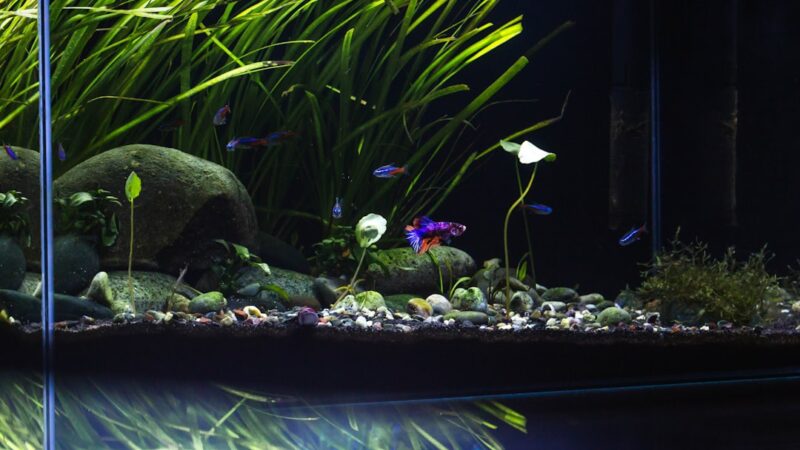
Epiphyte-only aquascaping uses plants that attach to rocks and driftwood rather than rooting in substrate. Anubias, Java Fern, Bucephalandra, mosses and Bolbitis create lush, textured landscapes without any substrate planting whatsoever. This aquascape epiphytes only guide from Gensou Aquascaping at 5 Everton Park shows you how this low-maintenance style produces stunning results.
Why Go Epiphyte-Only?
No substrate dependency: You can use any substrate — or even bare-bottom tanks. Cosmetic sand, gravel or bare glass all work because the plants never touch the substrate.
Low maintenance: Epiphytes are among the slowest-growing aquarium plants. Trimming is minimal compared to stem plants. No root tab dosing, no substrate depletion concerns.
No CO2 required: Most epiphytes thrive under low to moderate light without CO2 injection. This is one of the most accessible styles for beginners.
Flexibility: Plants are attached to moveable hardscape. You can rearrange the entire layout without uprooting anything — just move the rock or wood piece.
Clean look: A bare sand foreground with plant-covered hardscape in the back creates a clean, modern aesthetic.
The Epiphyte Toolkit
Anubias: Multiple varieties from the tiny A. Nana Petite (1–2 cm leaves) to the large A. barteri (10+ cm leaves). Dark green, leathery leaves that resist algae-eating fish. Attach to any surface with super glue gel. Never bury the rhizome in substrate — it rots.
Java Fern (Microsorum pteropus): Available in standard, narrow leaf, Windelov (lace) and trident varieties. Produces attractive fronds that grow 15–30 cm. Attaches via rhizome to wood and rock.
Bucephalandra: The star of epiphyte aquascaping. Dozens of varieties with leaves ranging from deep green to red to iridescent blue. Small, compact growth perfect for detailed work. Endemic to Borneo and grows naturally on rocks in streams.
Bolbitis heudelotii: The African water fern. Finely divided dark green fronds that sway beautifully in current. Attaches to driftwood and rock via rhizome.
Mosses: Java Moss, Christmas Moss, Flame Moss, Weeping Moss and Fissidens fontanus. Used to cover surfaces, fill gaps and create green texture on hardscape.
Attachment Methods
Super glue gel (cyanoacrylate): The most popular method. Apply a small amount to the hardscape surface, press the plant’s rhizome or base against it for 10–15 seconds. The glue cures on contact with water and is completely aquarium-safe. Works for all epiphytes except loose mosses.
Cotton thread: Tie mosses and delicate plants to hardscape with cotton thread. The thread decomposes in four to six weeks, by which time the plant has attached naturally. Dark green or brown thread is less visible.
Fishing line: Clear monofilament for long-term securing. Does not decompose, so it remains visible unless hidden by plant growth. Use for heavy plants on smooth surfaces where glue might not hold.
Design Approach
Build an impressive hardscape first — since there are no substrate plants to fill space, the rock and wood arrangement carries more visual weight than in a traditional planted tank. Attach larger plants (Java Fern, Bolbitis) to the upper portions of hardscape where they can cascade downward. Place small plants (Anubias Petite, Bucephalandra) in crevices, on ledges and along the base of the hardscape. Use moss to cover transitions and fill gaps. The goal is to make the hardscape look naturally colonised by plant life.
Fertilisation
Epiphytes feed exclusively through the water column via their leaves and rhizomes. Dose a comprehensive liquid fertiliser two to three times per week. No root tabs are needed. Iron dosing helps maintain rich, dark green colouration. Because growth is slow, nutrient demands are modest — dose conservatively to avoid fuelling algae on the slow-growing leaves.
The Algae Challenge
Slow-growing epiphytes are prone to algae growth on their leaves — green spot algae on Anubias is particularly common. Control algae with moderate lighting (6–7 hours), balanced nutrients, and algae-eating crew members. Nerite snails are the best Anubias cleaners — they rasp green spot algae that other species ignore. Otocinclus and Amano shrimp help with softer algae types. A clean epiphyte aquascape requires patience and balance.
Related Reading