
Jewel Cichlid Care Guide: Brilliant Red From African Rivers
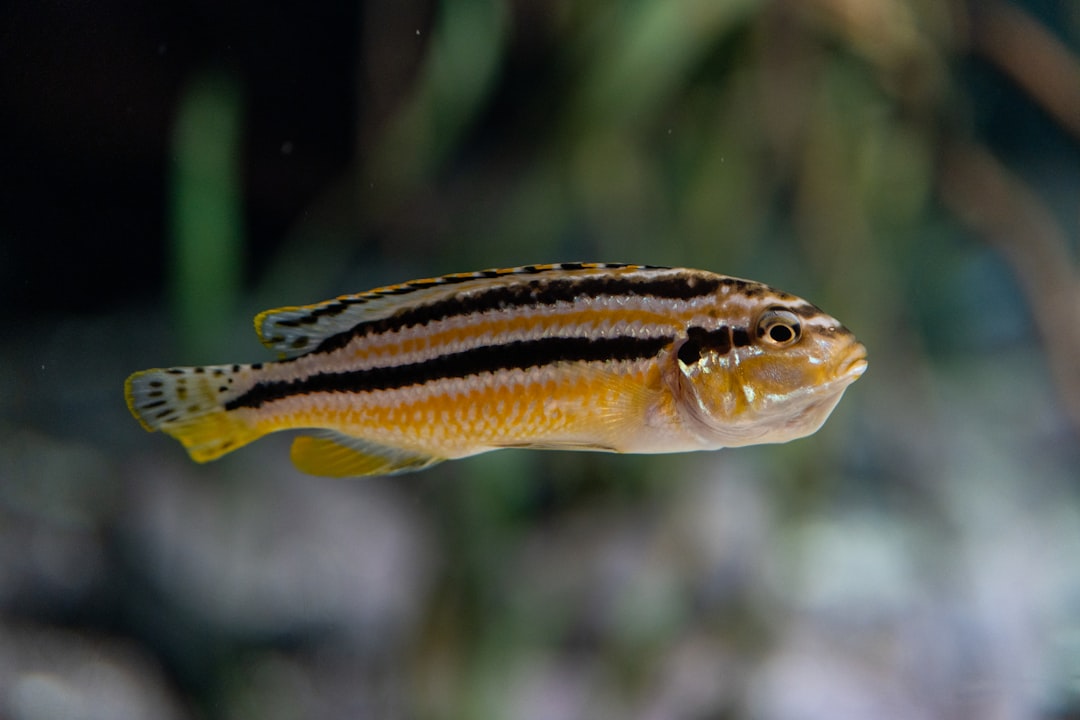
The jewel cichlid (Hemichromis bimaculatus) is one of the most stunningly coloured freshwater fish — when in breeding condition, males and females both flush an intense ruby red covered in iridescent blue spots that shimmer like gemstones. This jewel cichlid care guide from Gensou Aquascaping at 5 Everton Park helps you manage these beautiful but fiery West African cichlids.
Jewel Cichlid Overview
Jewel cichlids originate from West African rivers and lakes, ranging from Senegal to Cameroon. Several species are sold under the jewel cichlid name — H. bimaculatus, H. lifalili and H. guttatus are the most common. They grow to 12–15 cm and live for five to eight years. Outside of breeding, they display a subdued olive-brown colour. During courtship and breeding, both sexes transform into dazzling crimson, making the transformation one of the most dramatic colour changes in the hobby.
Tank Requirements
A pair of jewel cichlids needs at least a 150-litre tank. They are territorial but not excessively large, making them manageable in medium-sized setups. Use sand or fine gravel as substrate. Maintain the temperature between 22 °C and 28 °C, pH 6.0–7.5 and GH 5–15 dGH. They adapt well to Singapore’s water conditions. Provide moderate filtration — they come from rivers with some current but not rapids.
Aquascaping
Create a layout with multiple caves, rock piles and driftwood providing territorial boundaries and spawning sites. Flat stones are especially important — they serve as breeding surfaces. Hardy plants like Anubias and Java Fern attached to hardscape can survive with jewel cichlids, though some uprooting of rooted plants is likely. Dense vegetation along the tank perimeter provides hiding spots that reduce aggression between tank mates.
Diet and Feeding
Jewel cichlids are omnivorous with a predatory streak. Offer cichlid pellets as the staple, supplemented with frozen bloodworm, brine shrimp, mysis shrimp and chopped earthworms. They also eat small live insects and snails. Blanched vegetables provide fibre. Feed twice daily in moderate amounts. A protein-rich diet enhances their breeding colours.
Tank Mates
Jewel cichlids are aggressive, especially during breeding. Suitable tank mates include other robust African cichlids of similar size, Synodontis catfish and larger barbs like tiger barbs in large schools. Avoid anything small enough to be eaten or peaceful enough to be bullied. A species-only pair is the safest approach for smaller tanks. In larger setups (300+ litres), a West African community with carefully chosen species is achievable.
Breeding
Jewel cichlids are prolific substrate spawners. A bonded pair intensifies to brilliant red and cleans a flat surface for spawning. The female deposits 200–500 eggs, which both parents guard ferociously. Eggs hatch in two to three days, and fry become free-swimming within a week. Both parents shepherd the fry, leading them around the tank in a tight cloud. Parental aggression during this period is extreme — even a hand entering the tank for maintenance will be attacked. Fry eat baby brine shrimp and crushed food immediately.
Common Health Issues
Jewel cichlids are hardy and disease-resistant. They may develop ich after transport stress or temperature fluctuations. Hexamita infections can occur in poorly maintained tanks, presenting as white, stringy faeces and weight loss. Their biggest health risk in practice is injuries from aggression — torn fins and scrapes from fights with tank mates or between rival pairs. Maintain good water quality to promote rapid healing.
Related Reading



