
Synodontis Catfish Care Guide: African Squeakers for Big Tanks
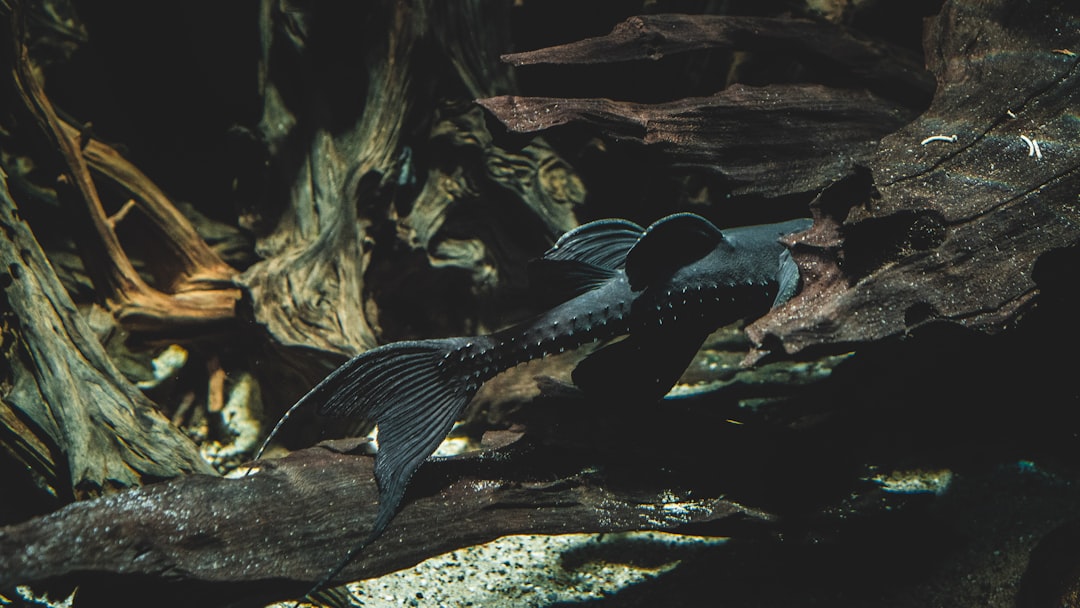
Table of Contents
- Introduction
- Species Overview and Origin
- Tank Setup and Water Parameters
- Feeding and Diet
- Behaviour and Temperament
- Suitable Tank Mates
- Breeding
- Frequently Asked Questions
- Conclusion
Introduction
If your large aquarium needs a characterful bottom-dweller with personality to spare, look no further than the synodontis catfish. Known colloquially as “squeakers” for the audible sound they produce when handled or stressed, these African catfish are among the most popular large-tank inhabitants in the hobby — and with good reason.
This synodontis catfish care guide is written specifically for Singapore aquarists, drawing on more than 20 years of fishkeeping expertise at Gensou, our aquascaping studio at 5 Everton Park. Whether you are considering a single upside-down catfish for a community tank or building an African-themed display around a group of Synodontis multipunctatus, this guide covers every essential detail.
Species Overview and Origin
The genus Synodontis is the largest genus within the family Mochokidae and contains well over 130 described species. They are found across Africa — from the great rift lakes of Tanganyika and Malawi to the mighty Congo and Niger river systems. This enormous diversity means that “synodontis catfish” covers a wide range of sizes, temperaments and environmental preferences.
Popular Species in the Singapore Trade
| Species | Common Name | Adult Size | Origin |
|---|---|---|---|
| Synodontis nigriventris | Upside-Down Catfish | 8–10 cm | Congo River basin |
| Synodontis multipunctatus | Cuckoo Catfish | 12–15 cm | Lake Tanganyika |
| Synodontis eupterus | Featherfin Squeaker | 15–20 cm | West and Central Africa |
| Synodontis petricola | Pygmy Leopard Catfish | 10–12 cm | Lake Tanganyika |
| Synodontis decorus | Decorated Squeaker | 25–30 cm | Congo River basin |
Key Identification Features
- Body: Robust, often laterally compressed with a large, flattened head.
- Barbels: Three pairs of prominent barbels around the mouth used for sensory exploration.
- Dorsal fin: Many species sport an impressive, sail-like dorsal fin with a hardened leading spine.
- Colouration: Varies enormously — from the spotted pattern of S. multipunctatus to the mottled brown of S. nigriventris.
- Lifespan: 15–25 years depending on species; some individuals exceed 20 years in captivity.
Tank Setup and Water Parameters
Given the range of species sizes, tank requirements vary considerably. The smaller species (S. nigriventris, S. petricola) can be housed in tanks from 150 litres, while larger species like S. eupterus and S. decorus need 300 litres or more. Always research the specific species you intend to keep.
General Water Parameters
| Parameter | Ideal Range | Notes |
|---|---|---|
| Temperature | 24–28 °C | Singapore’s ambient temperature is suitable for most species |
| pH | 6.5–8.5 | Rift lake species prefer pH 7.5–8.5; riverine species prefer 6.5–7.5 |
| GH (General Hardness) | 8–20 dGH | Rift lake species need harder water; adjust with mineral supplements if needed |
| KH (Carbonate Hardness) | 6–15 dKH | Higher KH helps maintain stable pH in alkaline setups |
| Ammonia / Nitrite | 0 ppm | Robust filtration essential for these heavy-bodied fish |
| Nitrate | <30 ppm | Weekly 25–30 % water changes recommended |
| Tank Size (Minimum) | 150–300+ litres | Species-dependent; always err on the generous side |
Aquascape Layout Tips
Synodontis catfish are cave-dwellers and crevice-lovers by nature. Provide abundant hiding spots using rocks, driftwood, PVC pipe sections or purpose-built ceramic caves. Stacking rocks to create overhangs and tunnels mimics the rocky shorelines of Lake Tanganyika or the submerged root tangles of African rivers.
For rift lake species, a hardscape-dominant layout with limestone or ocean rock is appropriate. For riverine species, driftwood, sandy substrate and robust plants such as Anubias and Java fern work beautifully. Avoid delicate stem plants with larger synodontis — they can be inadvertently uprooted during nocturnal foraging sessions.
A powerful canister filter is non-negotiable. Synodontis are messy eaters that produce a significant bioload, and strong mechanical and biological filtration keeps conditions safe. In Singapore’s warm climate, ensure the filter provides adequate surface agitation for gas exchange.
Feeding and Diet
Most synodontis species are omnivorous and enthusiastically opportunistic. In the wild, they consume algae, insect larvae, small crustaceans, plant matter and even the eggs of other fish. Replicating this dietary breadth in captivity is straightforward.
Recommended Diet
- Staple: High-quality sinking pellets or wafers designed for bottom-feeding catfish. Brands with a mix of protein and vegetable content are ideal.
- Frozen foods: Bloodworms, brine shrimp, mysis shrimp and krill — excellent for conditioning and variety.
- Live foods: Earthworms, blackworms and river shrimp provide enrichment and trigger natural foraging behaviour.
- Vegetable matter: Blanched courgette, spinach and peas. Spirulina wafers are a convenient alternative.
- Occasional treats: Freeze-dried tubifex cubes or shrimp — use sparingly to avoid digestive issues.
Feed once or twice daily, ideally after lights-out when synodontis are most active. Remove uneaten food the following morning to maintain water quality.
Behaviour and Temperament
Synodontis catfish are predominantly nocturnal, spending daylight hours tucked inside caves, under driftwood or — in the case of the upside-down catfish — clinging inverted beneath broad surfaces. Once the lights go off, they emerge to forage, explore and interact with tank mates.
The Famous “Squeaking”
The common name “squeaker” comes from the fish’s ability to produce audible stridulatory sounds by locking and rubbing the spines of their pectoral fins. You will most likely hear this sound when netting or handling the fish. It is a defensive mechanism, not a sign of pain, but it serves as a good reminder to handle these catfish with care — those spines can also deliver a mildly painful prick.
Social Dynamics
Many synodontis species are gregarious and do best in groups of three or more. S. petricola and S. multipunctatus, in particular, exhibit more natural behaviour and reduced stress when kept in small colonies. Solitary specimens of social species may become reclusive and rarely emerge, even at night.
Territorial disputes between males are generally mild — limited to chasing and posturing around preferred caves. Providing more hiding spots than fish largely eliminates aggression.
Suitable Tank Mates
Tank-mate selection depends heavily on which synodontis species you keep. Rift lake species pair naturally with African cichlids, while riverine species suit a broader tropical community.
| Tank Mate | Best Paired With | Why It Works |
|---|---|---|
| African Cichlids (Tanganyikan) | S. multipunctatus, S. petricola | Matching water parameters and natural cohabitation in Lake Tanganyika |
| Rainbowfish | S. nigriventris, S. eupterus | Active mid-water swimmers that leave bottom-dwellers alone |
| Congo Tetra (Phenacogrammus interruptus) | Riverine synodontis | Shared African biotope; peaceful and large enough to avoid predation |
| Larger Barbs (Tinfoil, Denison) | S. eupterus, S. decorus | Robust, active fish that can share space with larger synodontis |
| Bristlenose Pleco (Ancistrus sp.) | Most species | Different feeding habits; generally ignores synodontis |
Species to Avoid
Avoid very small fish (neon tetras, guppies) with larger synodontis — they may be eaten at night. Also avoid other aggressive bottom-dwellers that might compete for cave space, and any slow-moving, long-finned species that could be harassed.
Breeding
Breeding synodontis catfish in captivity ranges from moderately difficult to exceptionally challenging, depending on the species. The most commonly bred species in the hobby is S. multipunctatus, famed for its remarkable cuckoo-like reproductive strategy.
The Cuckoo Catfish Strategy
Synodontis multipunctatus is a brood parasite. During the spawning of mouthbrooding cichlids, the catfish dart in and scatter their own eggs among those of the cichlid. The unsuspecting cichlid mother scoops up the catfish eggs alongside her own and incubates them in her mouth. The catfish fry hatch first and consume the cichlid eggs, emerging fully developed when the mother releases her brood.
To replicate this in captivity, you need a tank with actively breeding mouthbrooding cichlids — typically Tanganyikan species like Cyphotilapia frontosa or Haplochromis species.
Breeding Other Species
Riverine species such as S. eupterus and S. nigriventris are egg scatterers that can occasionally be bred through hormone injection or by simulating the rainy season with large, cool water changes and a protein-rich diet. However, home breeding of these species remains uncommon, and most specimens in the trade are wild-caught or commercially bred in Asian fish farms.
Frequently Asked Questions
Do synodontis catfish actually swim upside down?
Yes — but primarily Synodontis nigriventris, the upside-down catfish. This species has evolved reversed counter-shading (darker belly, lighter back) to complement its inverted swimming habit. Other synodontis species may occasionally swim inverted, but it is not their default posture.
How big do synodontis catfish get?
It depends entirely on the species. The smallest commonly kept species, S. nigriventris, tops out at around 10 cm. At the other end of the spectrum, S. decorus can reach 30 cm, and some rarely imported species exceed 40 cm. Always confirm the adult size of your specific species before purchasing.
Can I keep synodontis catfish with live plants?
Yes, with caveats. Smaller species like S. petricola and S. nigriventris are generally plant-safe. Larger species may uproot delicate plants during their nocturnal activities. Stick to robust, attached plants — Java fern, Anubias and Bolbitis — secured to rocks or driftwood where they cannot be dislodged.
Are synodontis catfish suitable for Singapore’s climate?
Absolutely. Most species thrive at 24–28 °C, which aligns perfectly with Singapore’s ambient indoor temperatures. A heater is rarely necessary, though a chiller or cooling fan may be beneficial for rift lake species during particularly warm spells if your room is not air-conditioned.
Related Reading
- African Glass Catfish Care Guide: Transparent and Social
- Agamyxis Catfish Care Guide: The Spotted Talking Catfish
- Asian Bumblebee Catfish Care Guide: Striped Nocturnal Hunter
- Asian Stone Catfish Care Guide: Masters of Camouflage
- Banjo Catfish Care Guide: The Flat and Bizarre Bottom Dweller
Conclusion
Synodontis catfish offer a compelling blend of character, hardiness and longevity that few other freshwater species can match. Whether you are drawn to the quirky upside-down swimming of S. nigriventris, the stunning spotted patterning of S. multipunctatus or the majestic sail-fin of S. eupterus, there is a squeaker to suit almost every large-tank setup.
With this synodontis catfish care guide in hand, you have the knowledge to provide these African gems with the conditions they need to thrive for decades. The key lies in generous tank space, abundant hiding spots, a varied diet and — above all — excellent water quality maintained through diligent filtration and regular water changes.
Ready to welcome a synodontis catfish into your aquarium? Visit Gensou at 5 Everton Park, Singapore to view our current stock, or explore our online shop for catfish, caves and everything you need. Planning a large African-themed display? Reach out to our team or discover our custom aquarium design service — backed by over 20 years of experience in creating exceptional aquatic environments.



