
Kitty Tetra Care Guide: Tiny Jewels With Big Personality
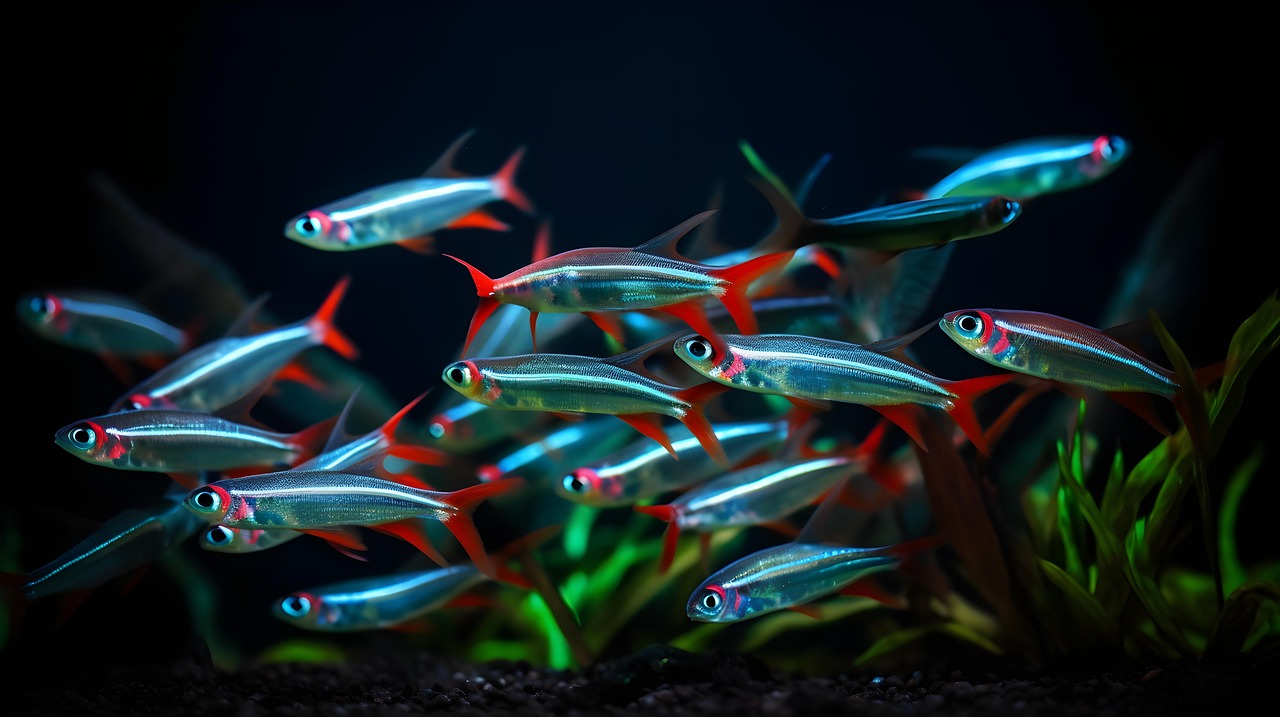
The kitty tetra (Hyphessobrycon heliacus), sometimes sold as the sun tetra, is a micro tetra that packs incredible colour into a body just 2–3 cm long. Males display a warm amber-gold body with a bold black blotch and iridescent blue highlights that rival fish three times their size. This kitty tetra care guide from Gensou Aquascaping at 5 Everton Park introduces one of the hobby’s most charming nano species.
Kitty Tetra Overview
Kitty tetras originate from the upper Tapajós River basin in Brazil. At just 2–3 cm, they are among the smallest tetras available. Males are more vividly coloured than females, with intense amber-gold hues and a prominent black lateral spot. They live for two to four years. Their small size and jewel-like appearance make them ideal candidates for nano aquascapes and heavily planted tanks.
Tank Requirements
A school of ten to twelve kitty tetras thrives in a 30-litre nano tank, though 40–60 litres gives them room to display more natural schooling behaviour. They prefer soft, acidic water — pH 5.5–7.0, GH 2–8 dGH and temperature 24 °C–28 °C. Tannin-stained water from catappa leaves or driftwood enhances their colour and replicates their blackwater origins. Gentle filtration from a sponge filter is ideal — strong currents stress these tiny fish.
Diet and Feeding
Their tiny mouths require appropriately sized food. Crushed flake, micro pellets, frozen cyclops, daphnia and baby brine shrimp are all suitable. They are active feeders that zip to the surface for food but miss larger particles. Feed small amounts three times daily rather than one large feeding. Live vinegar eels and microworms are especially appreciated and bring out intense breeding colours.
Tank Mates
Choose only small, peaceful species. Excellent companions include chili rasboras, ember tetras, celestial pearl danios, pygmy Corydoras, otocinclus and dwarf shrimp. Avoid anything larger than 5 cm — even peaceful larger fish can intimidate or accidentally eat these tiny tetras. A species-only school in a beautifully planted nano tank is the most impressive way to display them.
Aquascaping
Dense planting with fine-leaved species creates the ideal environment. Their warm gold colour looks spectacular against lush green mosses and Bucephalandra. Dark substrate and a dark background intensify their colouration. Floating plants provide shade and security. The scale of the aquascape should match the fish — use small-leaved plants and fine-textured hardscape for a proportionally natural look.
Breeding
Kitty tetras scatter eggs among fine-leaved plants in soft, acidic water. Condition pairs with live foods for two weeks. Spawning occurs at dawn in dim lighting. Eggs are tiny and hatch in 24–36 hours. Fry are microscopic and need paramecium or commercial liquid fry food for the first week. Breeding is challenging due to the tiny fry size but achievable in a dedicated breeding setup with stable soft water.
Common Health Issues
Kitty tetras are reasonably hardy once established but sensitive to parameter swings and hard, alkaline water. Acclimate slowly using the drip method. Maintain stable conditions and they reward you with vibrant colour and active behaviour. Their primary vulnerability is their tiny size — they are easily outcompeted, stressed by boisterous tank mates, and sensitive to water quality lapses that larger fish tolerate.
Related Reading



